
Last updated November 22, 2026
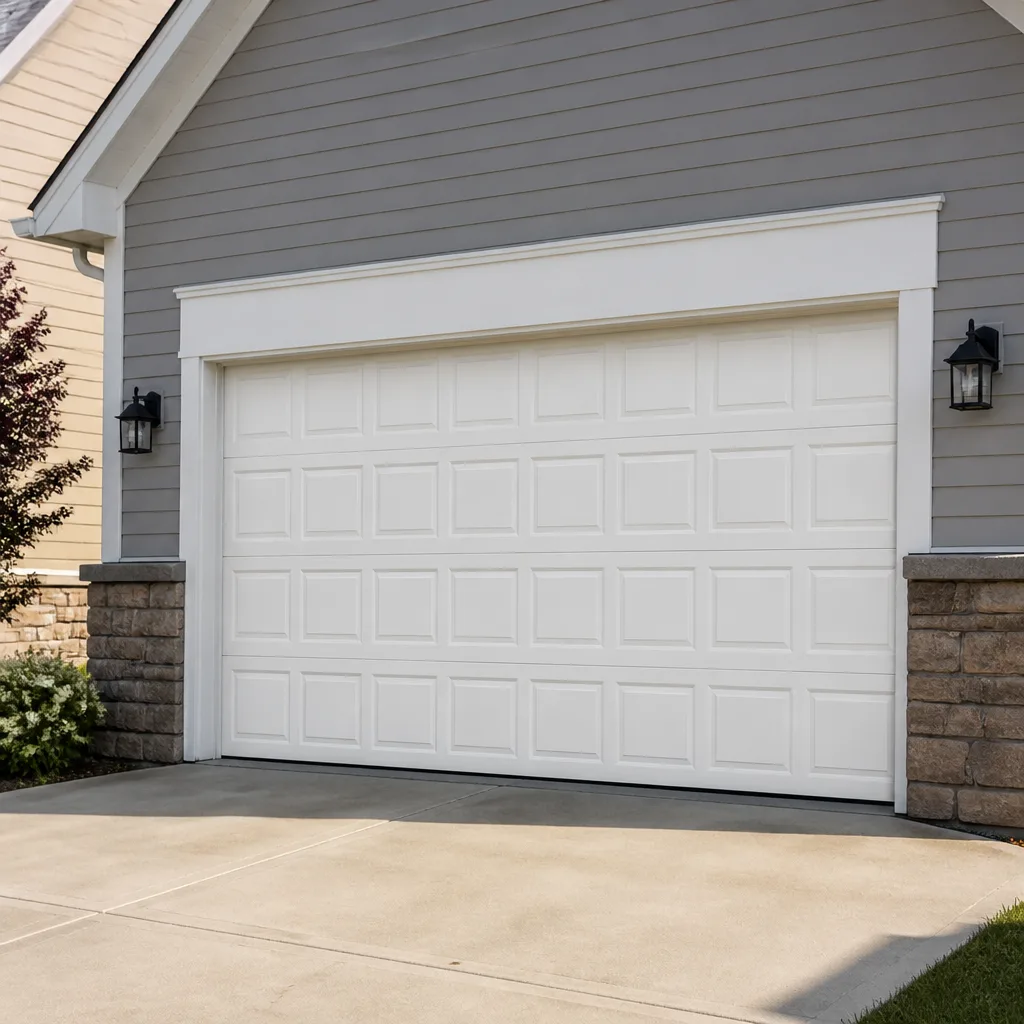 Raised-panel steel
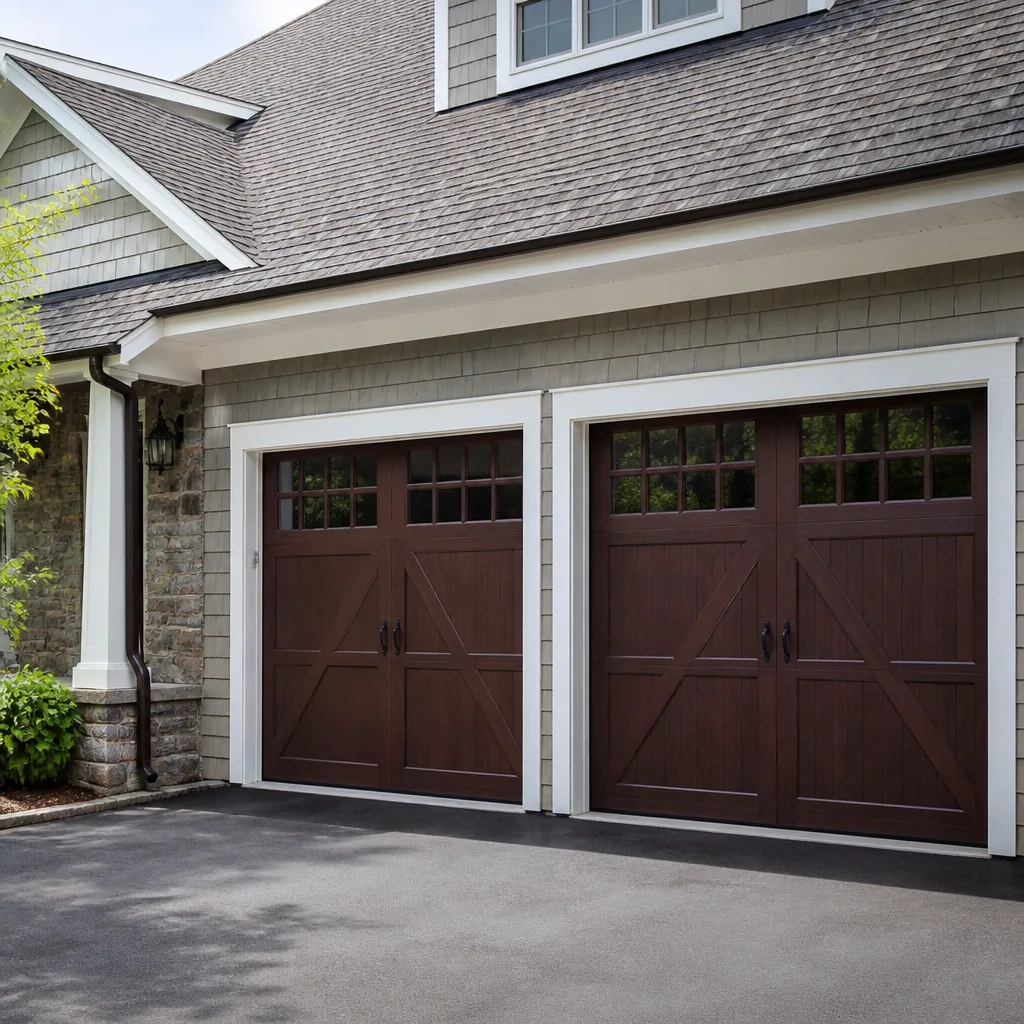 Carriage house
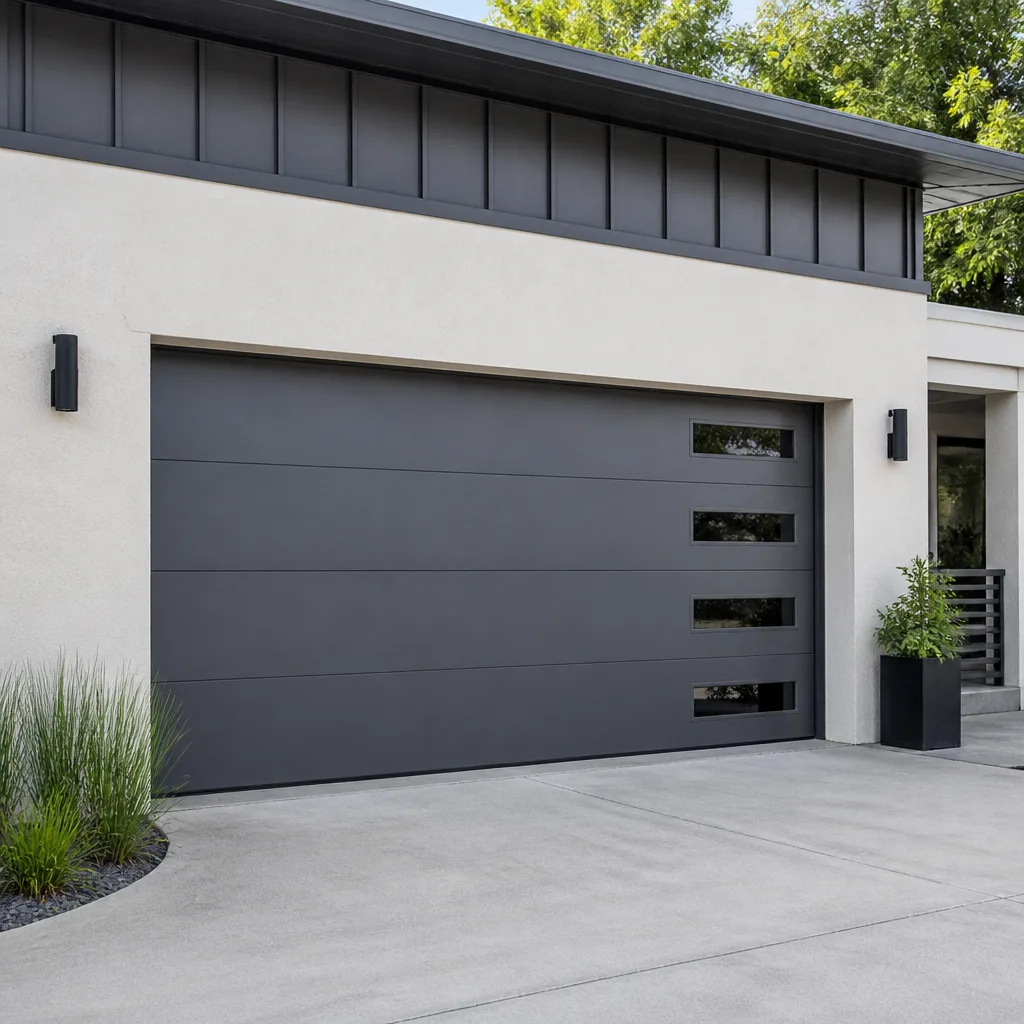 Modern flush
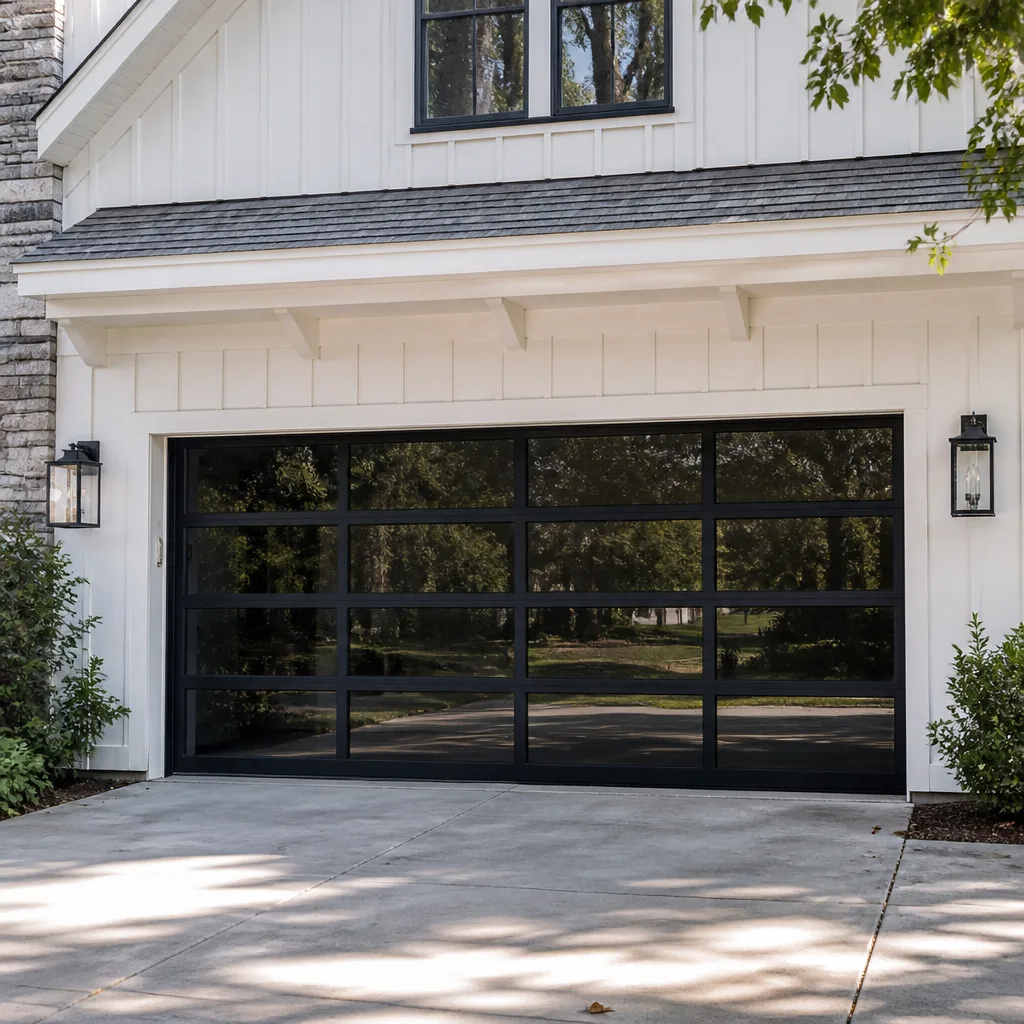 Full-view glass
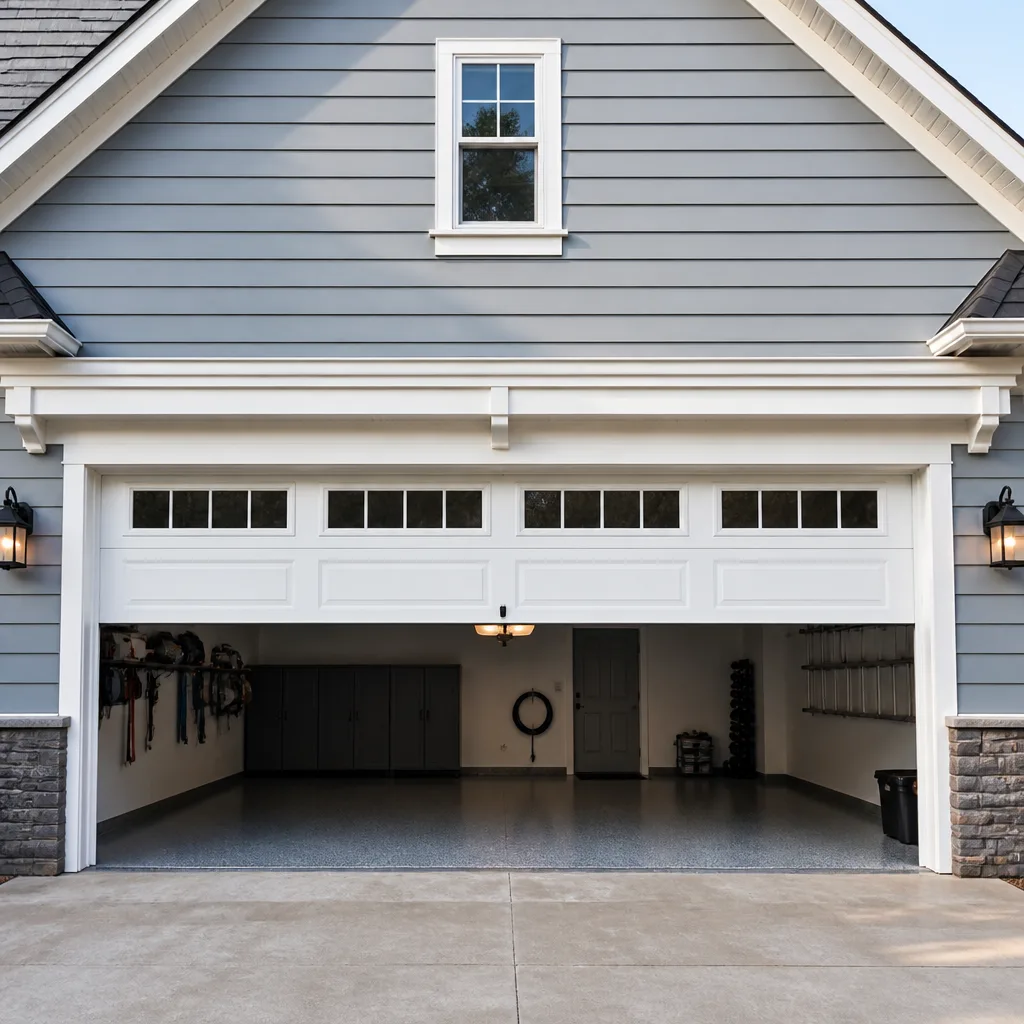 LiftMaster openers
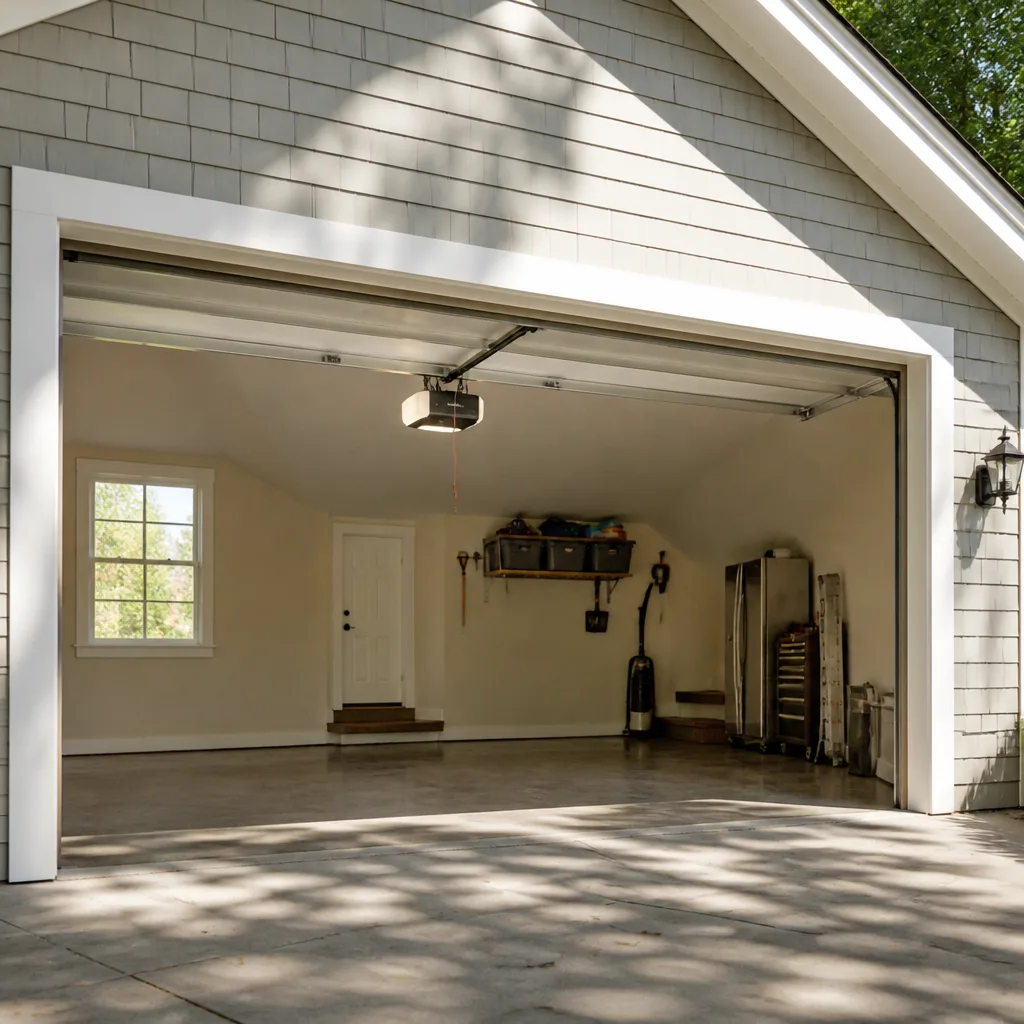 Chamberlain openers
Full 25-point door and opener safety check with every visit - springs, cables, rollers, tracks, and your LiftMaster or Chamberlain opener included
You get a price before we start. It does not change when the pro arrives.
Get your free estimateGarage Door Permits, Codes & Inspections in Homestead, FL: What You Need to Know
Most homeowners in Homestead learn about the Miami-Dade Notice of Acceptance system at the worst possible moment: after the door is already up, the installer is gone, and a real estate closing or an insurance inspection puts the missing paperwork on the table. The common assumption is that a garage door replacement is small enough to sit outside the permit process because it’s just a door. In Miami-Dade County, it isn’t. A garage door is treated as part of the building’s wind-load envelope, and the county regulates it accordingly. This guide walks through which garage door projects trigger a permit in Homestead, how the NOA lookup actually works, what the inspection sequence looks like, how unpermitted work shows up on a property record, and how to retroactively permit a door that was installed without one.
Quick Answer
A full garage door replacement in Homestead, FL requires a permit from Miami-Dade County, and the door model must carry a current Notice of Acceptance (NOA) confirming it meets the county’s wind-load requirements. Routine maintenance, springs, cables, rollers, and opener swaps generally do not require a permit on their own. If a permit was skipped, the process to retroactively permit the door exists but takes time, money, and a licensed inspection, and it typically surfaces at the exact moment you can least afford a delay: a sale, a refinance, or an insurance review.
Styles & brands we work with
- Raised-panel steel
- Carriage house
- Modern flush
- Full-view glass
- LiftMaster openers
- Chamberlain openers
Table of Contents
- Which Garage Door Projects Require a Permit in Homestead?
- How Miami-Dade’s Notice of Acceptance System Works
- How to Look Up Whether a Door Model Is Approved
- The Inspection Sequence for a Permitted Door Installation
- What Unpermitted Work Looks Like on a Property Record
- How an Unpermitted Door Affects Insurance and Resale
- How to Retroactively Permit a Garage Door
- Common Mistakes to Avoid
Which Garage Door Projects Require a Permit in Homestead?
A full replacement of the garage door, or of the door and its track system together, is the project that most reliably requires a permit in Miami-Dade County. The county regulates the door because it’s part of the building envelope and its wind resistance is already on record when the home was built or previously upgraded. Changing the door means changing a rated assembly. Track, brackets, hinges, and the way the door is anchored to the structure are part of the wind-load rating, not just the panel. That’s why the permit isn’t about the panel alone; it’s about the whole system being anchored and installed to the same standard the approved model was tested to.
Repair work sits on a different line. There’s no simple numeric threshold such as a dollar figure or a percentage of the door replaced that automatically flips a repair into a permitted project. The practical guidance we give Homestead homeowners is:
- Full door replacement: permit required. The model must have a current NOA.
- Door and track replacement together: permit required. The anchoring of the new track is part of the rated assembly.
- Opener replacement: generally no permit. If you’re changing the header or adding structural reinforcement for a heavier door, stop and ask the county.
- Spring, cable, roller, hinge, or bracket replacement: generally no permit. But if a failure has bent the track or shifted the anchoring to the structure, the repair crosses into structural territory and the answer changes.
- Changing the door’s size or opening: permit required. Resizing the opening is a structural change to the building envelope.
When the door size, header, or anchoring changes, we always tell Homestead homeowners to call the county before ordering anything. A permit question answered in five minutes saves a month of headaches later. And if you’re trying to decide whether your situation calls for a repair or a full replacement, our garage door repair page covers what a technician actually looks at. Our technicians have up to 9 years of experience working with everything from a single broken hinge to a full replacement, and they can tell you which side of the permit line your job lands on.
How Miami-Dade’s Notice of Acceptance System Works
A Notice of Acceptance, or NOA, is the document that tells the county a specific product has been tested and meets the wind-load requirements for its use in Miami-Dade. It’s the county’s version of a product approval for high-wind assemblies, and it’s required for garage doors the same way it’s required for impact windows, shutters, and certain roof systems. Without a current NOA for the exact model being installed, a permitted garage door job doesn’t move forward: the inspector will flag the door at final inspection and the homeowner ends up sorting through the issue after the installer is gone.
Every NOA has a few fields that matter most, and homeowners should learn to read them because they show up in every real conversation about permitting:
- NOA number: the specific approval reference, usually starting with the year it was issued.
- Product description: the exact model and brand the approval covers, not a family of models.
- Manufacturer: the company named on the approval. Approvals don’t transfer between manufacturers even if the door looks identical.
- Design pressure rating: the wind pressure the door was tested to withstand, expressed as a positive and negative pressure value.
- Expiration date: NOAs expire, and a door that was approved in 2015 may have a replacement NOA under a different number today.
For Homestead specifically, the wind-load requirements are set high because the county is among the most demanding jurisdictions in the country on wind protection. Doors from manufacturers like Clopay, Amarr, and Wayne Dalton each have their own NOA filings, and each door series within those manufacturers may or may not have a current approval for the model your home needs. We’ve watched Homestead homeowners assume a brand name is enough. The NOA is per model, not per brand. A door that’s fine in another county can be the wrong door for Homestead if the specific model isn’t on an active approval.
How to Look Up Whether a Door Model Is Approved
The approval lookup is doable from a kitchen table, and doing it before you order a door is the single most effective step you can take to avoid a permit problem in Homestead. The Miami-Dade County product control system publishes NOAs online, and it accepts searches by NOA number, manufacturer, or product category. If you’re replacing a garage door, here’s the sequence:
- Get the exact model name and number from the door you plan to install. Not the series, not the brand family. The model number on the spec sheet.
- Open the county’s product approval search and search by manufacturer.
- Filter to garage doors in the product category. The list is short; you’ll be reading a handful of entries, not hundreds.
- Read the product description on each NOA and confirm it names the exact model. If the model is a partial match, call the county and ask.
- Check the expiration date. An expired NOA doesn’t help the permit.
- Confirm the design pressure rating matches what the permit application requires for your address. This is where a Homestead-specific conversation with the county matters, because requirements vary by building and location.
- Save a PDF of the NOA. The installer will need it for the permit submittal, and having it in your file protects you years later.
If the door you love doesn’t have a current NOA, that’s not a reason to give up. It’s a reason to look at another model from the same manufacturer that does. Craftsman, for example, has models with current approvals and models that are older or have been superseded. The right conversation with us before ordering is: bring us the model number you want and the address, and we’ll tell you whether that model has a live approval for Homestead or whether a comparable alternative does.
The Inspection Sequence for a Permitted Door Installation
A permitted garage door installation in Homestead typically involves more than one inspection, and knowing the sequence keeps the job on schedule. The exact inspection steps and the dollar amounts of permit fees are set by Miami-Dade County and vary, so we always tell homeowners to confirm the current sequence and fees with the building department before scheduling. Broadly, the sequence runs:
- Permit application submitted. The installer files the permit with the county, attaching the NOA for the specific door model and the drawings for the anchoring and track system.
- Permit issued. Work can begin once the county approves and issues the permit.
- Rough inspection (if applicable). Some jobs require a rough inspection of the framing, header, or anchoring before the finished door goes on. Not every installation requires this step, but a change in door headroom or size may.
- Final inspection. The inspector looks at the anchoring and brackets, the door and hardware, the final install per the NOA, and the label or marking on the door confirming it’s the model on the NOA.
- Certificate of completion / final approval issued. The permit is closed and the door is on record as compliant.
What the inspector actually checks, in our experience watching Homestead jobs go through:
- That the door installed matches the model on the NOA and the permit submittal.
- The labels and marking on the door confirming the manufacturer and model.
- That the anchoring pattern, brackets, and track hardware match the approved drawings.
- The door’s operation and balance.
- That the door hardware and safety features required for the installation are in place.
Free estimates for the installation work itself are part of how we operate, and our technicians arrive prepared for the door on site. When you’re ready to plan the door for a Homestead installation, or you just need to know how the paperwork works, call (844) 497-0861 and we’ll walk through it before you order anything. If your current door has a mechanical issue while you’re dealing with the paperwork side, our garage door opener repair page is a good place to start on the troubleshooting side.
What Unpermitted Work Looks Like on a Property Record
A garage door that was replaced without a permit shows up in two places: the property record and the title search. On the property record, an unpermitted door creates a gap: the home’s permit history has no record of the replacement, but the door on the house is a newer model than the one on file. During a sale, a title search or a buyer’s inspection, that gap surfaces. The property appraiser’s file may or may not have been updated, the county’s permit database has no record, and the door’s NOA compliance is unverified. To a buyer’s agent and a buyer’s insurer, that’s a red flag.
Not every unpermitted door shows up as a documented problem. Many homes in Homestead have gone through multiple owners and the paperwork trail is scattered. But the moment a buyer’s insurer asks for the door’s NOA or the county asks for a permit history on the property, the missing record becomes a conversation. Insurance carriers increasingly look at the garage door’s wind-load compliance during a home inspection or underwriting review. If the door can’t be tied to a current NOA and a permit, the insurer may treat it as a non-compliant assembly and ask for a replacement, or exclude it from coverage.
We’ve seen homeowners assume that because the door physically works, the paperwork doesn’t matter. It matters at the exact moment you need the property to be documented, and that moment is usually a closing date on the calendar.
How an Unpermitted Door Affects Insurance and Resale
Insurance carriers and home buyers both ask the same underlying question: is this door a compliant assembly for the building? The answer to that question comes from the permit record and the NOA, not from the door being functional. If the door is unpermitted or the NOA can’t be documented, a carrier may treat the door as non-compliant, which can mean a higher premium, an exclusion on the door, or a requirement to replace it before coverage continues. On the resale side, an unpermitted door can stall a closing, force a retroactive permit at the seller’s expense, or come out of the sale price as a negotiated fix.
What makes this more acute in Homestead than in many parts of the country is the interaction between the wind-load requirements and the sale itself. The buyer’s insurance company has the county’s requirements to point at. The door is either documented as compliant, or it isn’t. There’s no middle ground on the paperwork side, and no argument that “it works fine” settles the question.
If you’re preparing to sell a Homestead property and you’re not sure whether your garage door was permitted, do two things now rather than at closing: pull the permit history from the county and check the NOA on the door currently installed. The sooner you know, the cheaper and calmer the fix is.
How to Retroactively Permit a Garage Door That Was Installed Without One
Retroactively permitting a garage door in Homestead is possible, and the process is more involved than the original permit because the county has to inspect the door that’s already on the house. There’s no shortcut that avoids the inspection. The basic steps:
- Identify the exact model currently installed. Look at the door labels, and if the model can’t be confirmed, a licensed installation company can identify it from the panel and hardware.
- Confirm the model has a current NOA. If the door’s NOA has expired or the model isn’t covered, the retroactive permit route generally becomes a replacement conversation rather than a paperwork fix.
- File a retroactive permit application with Miami-Dade County. Expect to disclose the installer’s information if known, the door model, and the installation date if it can be established.
- Pay the current permit fees. Retroactive fees vary by job and by what the county requires, so confirm the current fee schedule with the building department before you start.
- Arrange the inspection. The inspector reviews the anchoring, brackets, and installation against the NOA drawings, similar to a final inspection on a new install.
- Correct what the inspection flags. Any anchoring or hardware that doesn’t match the NOA gets repaired or replaced before the permit closes.
- Close the permit and file the record so the property record reflects a compliant door going forward.
What this means in practice is that a retroactive permit is a real option when the door itself is on the approved list, and it becomes a replacement when it isn’t. Confirming which side you’re on before you file is worth the call. If the door is compliant but needs adjustment to pass, our garage door spring repair page covers the highly technical part of getting a door balanced and safe for inspection. Spring and cable work carries real injury risk and demands proper tools and training; we always advise homeowners not to attempt it themselves, and our technicians have up to 9 years of experience handling that exact job.
Common Mistakes to Avoid
- Assuming the door is small enough to skip a permit. The permit isn’t about the size of the panel. It’s about the wind-load rating of the entire assembly, and Miami-Dade treats it that way for a reason.
- Hiring an installer who doesn’t offer a permit. An installer who tells you a permit “isn’t necessary for a garage door” in Homestead is signaling that the paperwork isn’t going to happen. That conversation is where the problem starts.
- Ordering a door before confirming the NOA. A beautiful door that doesn’t have a current approval for Homestead becomes a replacement you have to eat. Check first, order second.
- Confusing the brand with the approved model. A brand name on the door isn’t the standard. The specific model number on a current NOA is.
- Letting a repair cross into structural territory without realizing it. A spring or cable replacement is generally permit-free. A repair that involves the track, header, or anchoring can cross the line without anyone noticing until the next sale.
- Waiting until closing to check the permit history. Pull the record now. If there’s a gap, retroactive permit steps take weeks, and a closing date doesn’t move to accommodate them.
- Treating insurance review as a separate issue from the permit. The two come from the same source: the property record and the NOA. If the permit record is clean, the insurance conversation is easier.
When to Call a Professional
Call a professional when you’re planning a full door replacement and need to know which models have a current NOA for your Homestead address, when you’re not sure whether the door currently on your home was ever permitted, when a retroactive permit inspection has flagged anchoring or hardware that needs correcting, or when the door itself is failing mechanically while you’re sorting through the paperwork. Spring, cable, and high-tension hardware work should never be handled without the right tools and training; the injury risk is real, and it isn’t a job for a homeowner with a YouTube video and an afternoon. Homestead Garage Door Repair Pros offers free estimates in Homestead. Call (844) 497-0861 and we’ll walk through the door you have, the door you’re planning, and where the permit fits. We answer 24/7. Fast dispatch from 7am to 7pm, Sunday through Friday.
See the difference
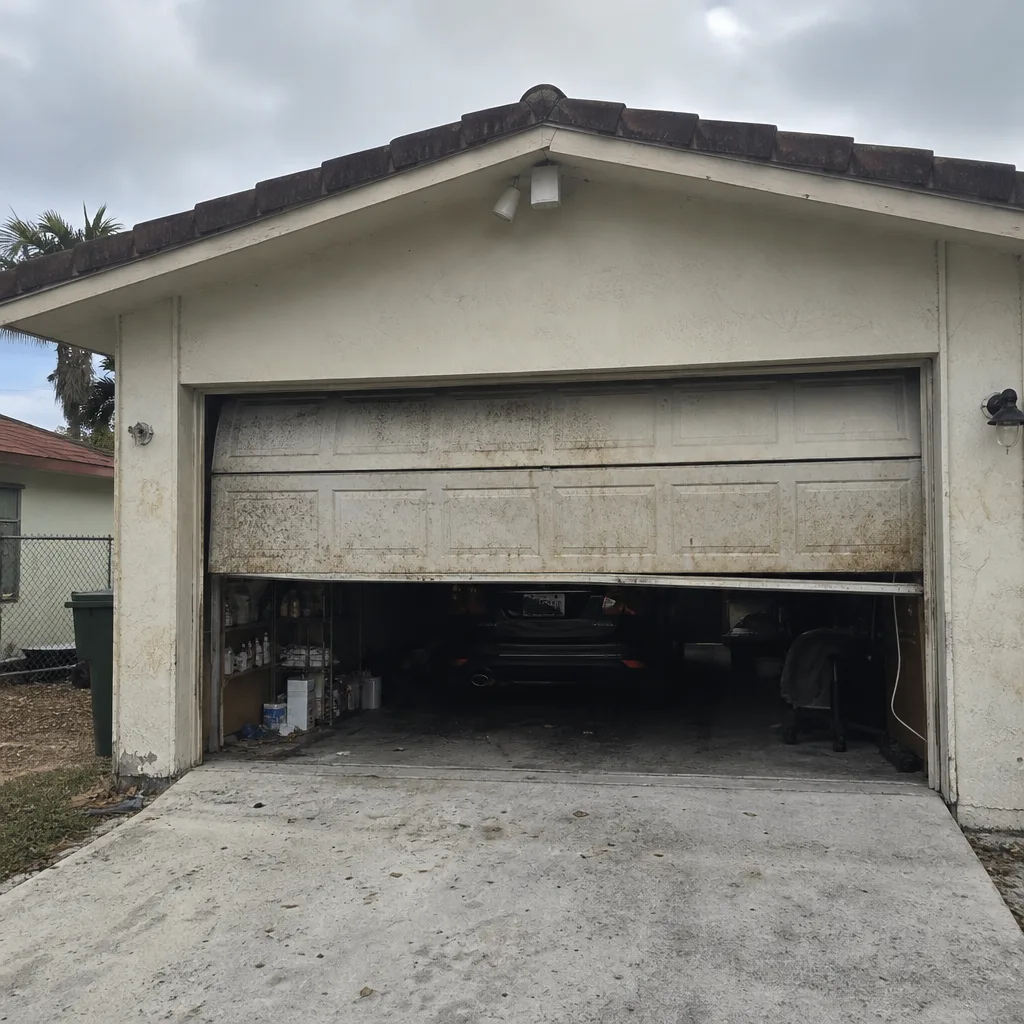 Before
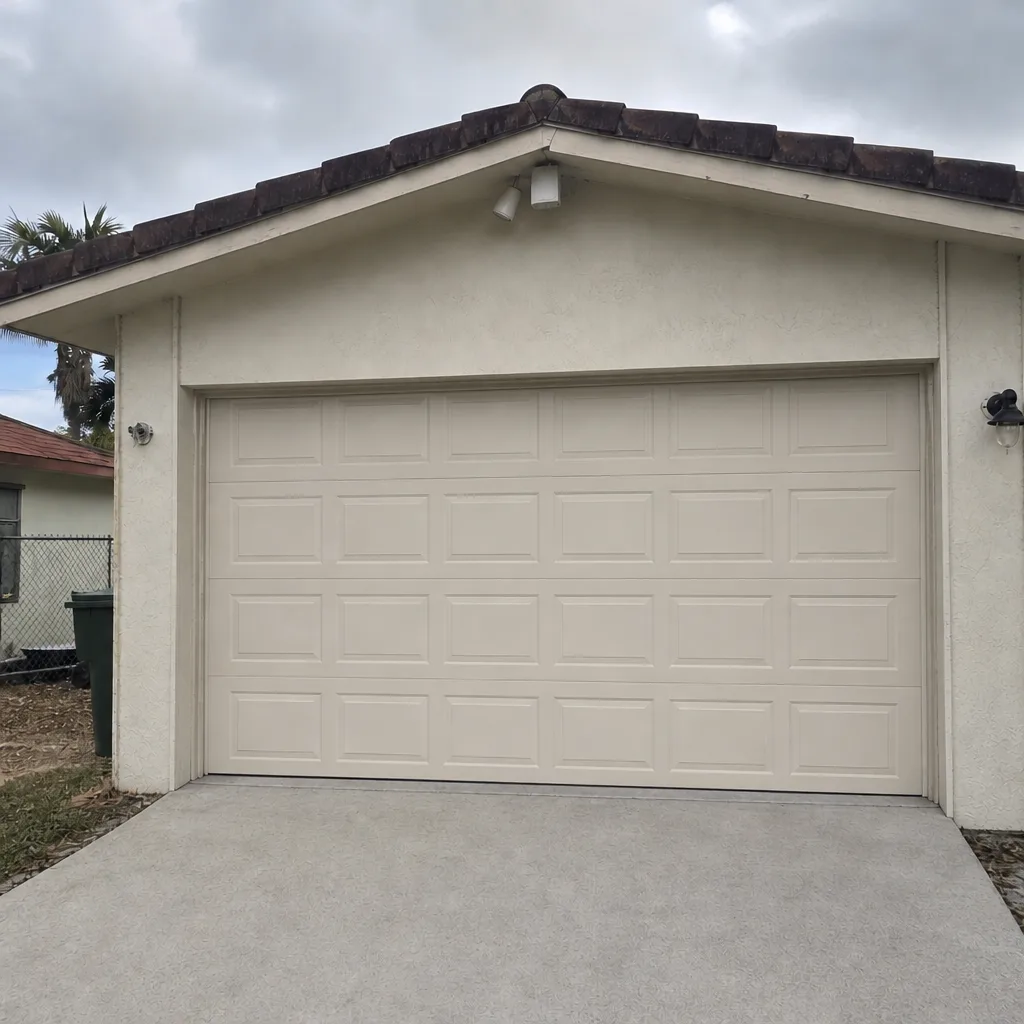 After
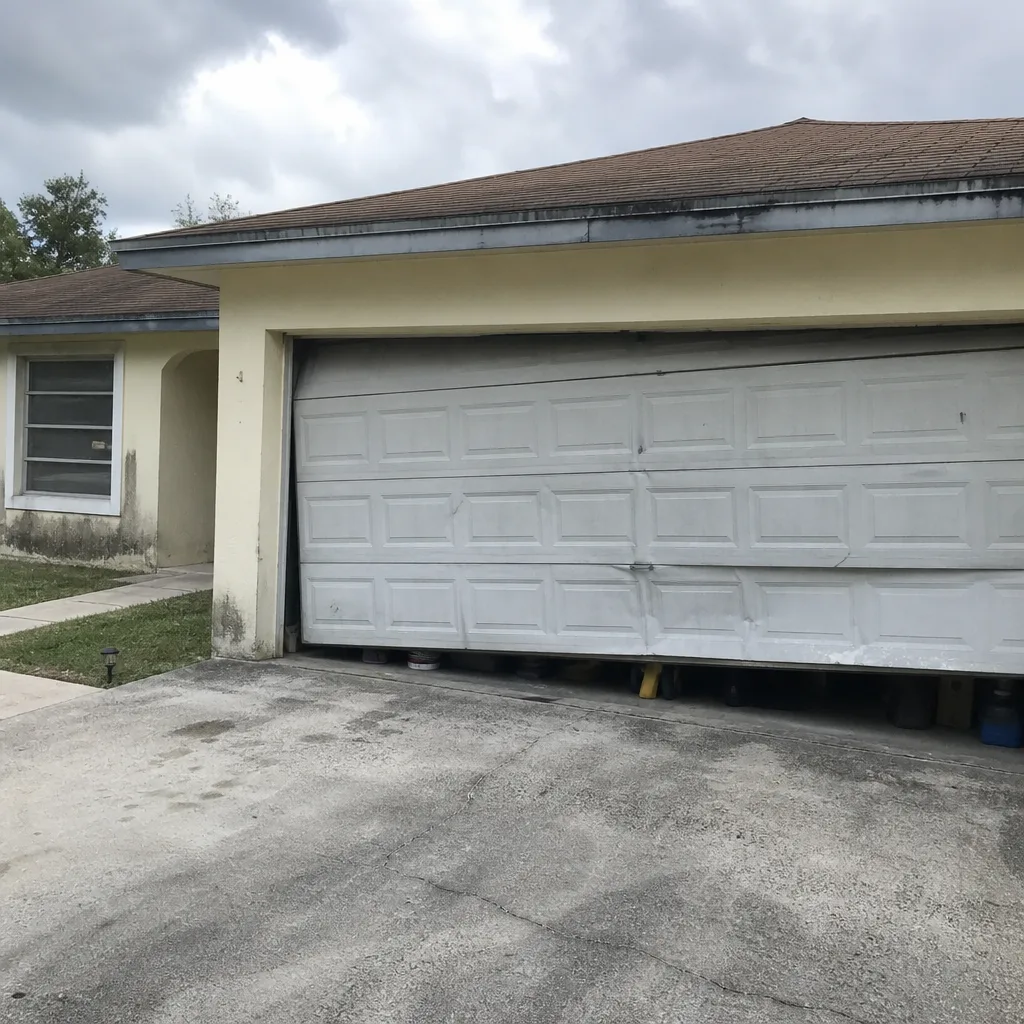 Before
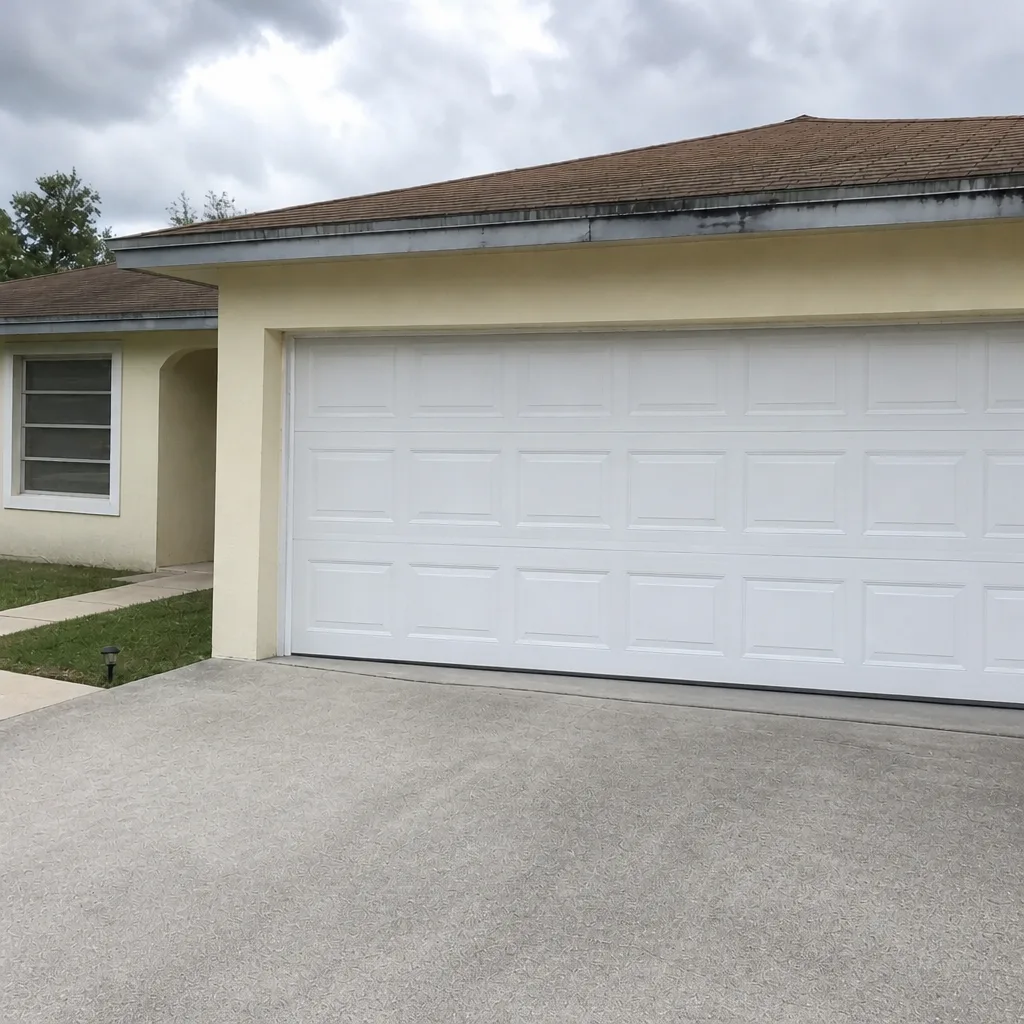 After
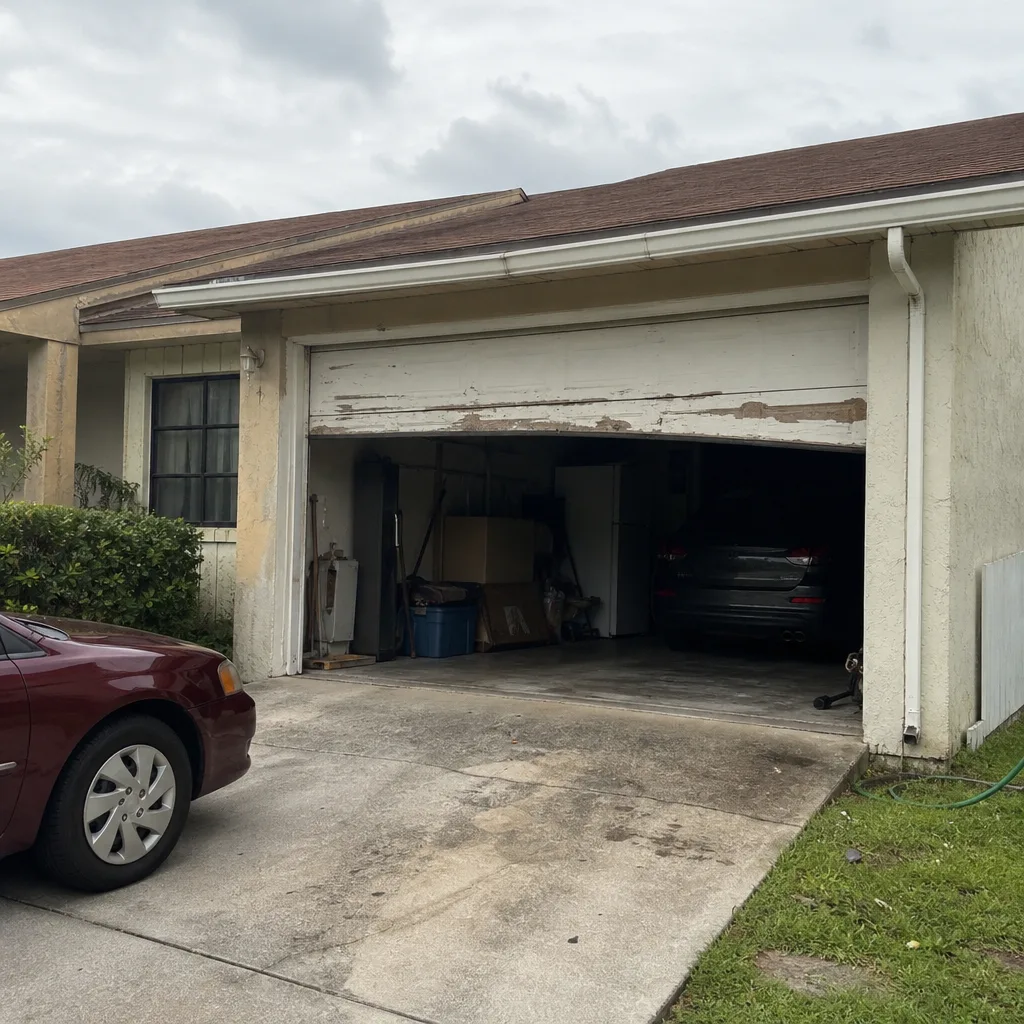 Before
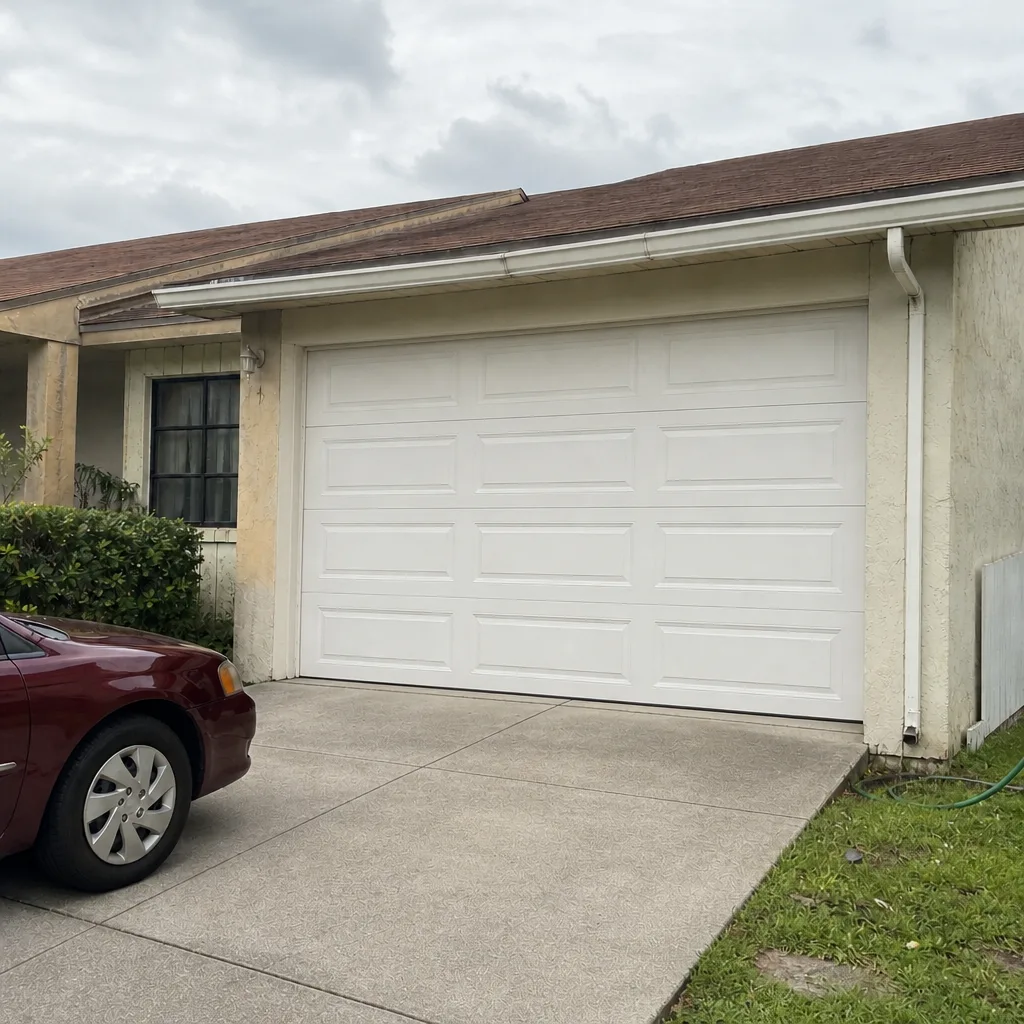 After
Frequently Asked Questions
Yes. A full garage door replacement in Homestead requires a permit from Miami-Dade County, and the door model must have a current Notice of Acceptance (NOA) for wind-load compliance. Repairs to springs, cables, rollers, and openers generally don’t require a permit on their own. Call (844) 497-0861 for an exact quote on your installation – estimates are free.
Pull the permit history for your address from Miami-Dade County’s online records and compare it to the door installed on the home. If the door is a newer model than the permit record shows, the replacement wasn’t permitted. Call (844) 497-0861 and we can help you confirm the door model before you start the retroactive process.
The permit won’t close and the door can’t be approved as a compliant assembly for the building. Your options are to replace the door with a model that has a current NOA for Homestead, or to work with the county on what’s accepted for your specific address. Call (844) 497-0861 to talk through the door models that meet the requirement.
Yes, most of the time. The process involves identifying the installed model, confirming it has a current NOA, filing a retroactive application, paying current fees, and passing an inspection. If the door’s NOA has expired or the model isn’t covered, the fix becomes a replacement rather than a paperwork job. Call (844) 497-0861 to confirm which side of that line your door is on.
It can. Insurers review the door’s wind-load compliance against the county’s requirements, and a door that isn’t tied to a permit and a current NOA can be treated as non-compliant. That can mean higher premiums, a door exclusion, or a requirement to replace it. Call (844) 497-0861 if you’re not sure of your door’s status.
Timelines vary by the county’s current processing volume and by the job’s inspection requirements, so the building department is the source for a firm answer. The permit has to be issued before the work starts, and the final inspection has to pass before the permit closes. Call (844) 497-0861 to plan the door around the permit timeline – estimates are free.
No. Springs and cables operate under very high tension and can cause serious injury if handled without the right tools and training. That’s a job for a trained professional, even though it generally doesn’t require a permit. Call (844) 497-0861 and we’ll take care of it safely.
The Bottom Line
Garage doors in Homestead are treated as part of the building’s wind-load envelope, and Miami-Dade County requires a permit for full replacement and a current NOA for the specific door model. Repairs to springs, cables, rollers, and openers generally don’t require a permit, but the moment a repair touches the track, header, or anchoring, the calculus changes. Unpermitted work surfaces at the worst moment: insurance review or a closing. Retroactive permitting is possible when the installed door has a current NOA, and turns into a replacement conversation when it doesn’t. The takeaway is simple: confirm the NOA before ordering, permit the replacement, and pull the permit history on any Homestead home you’re buying or selling before the closing date is on the calendar. If you’re wondering where your door sits, call us. A quick conversation now is cheaper than a surprise later.
Contact
If you’re planning a garage door replacement in Homestead, need to know whether the door already on your home has a current NOA, or you want a free estimate before you order anything, call Homestead Garage Door Repair Pros at (844) 497-0861. We answer 24/7. Fast dispatch from 7am to 7pm, Sunday through Friday. We handle installation, repair, opener service, spring repair, and emergency garage door service for residential homes, and we work with the brands already on the home, including Clopay, Amarr, Wayne Dalton, and Craftsman.
Written by the team at Homestead Garage Door Repair Pros.