
Last updated November 22, 2026
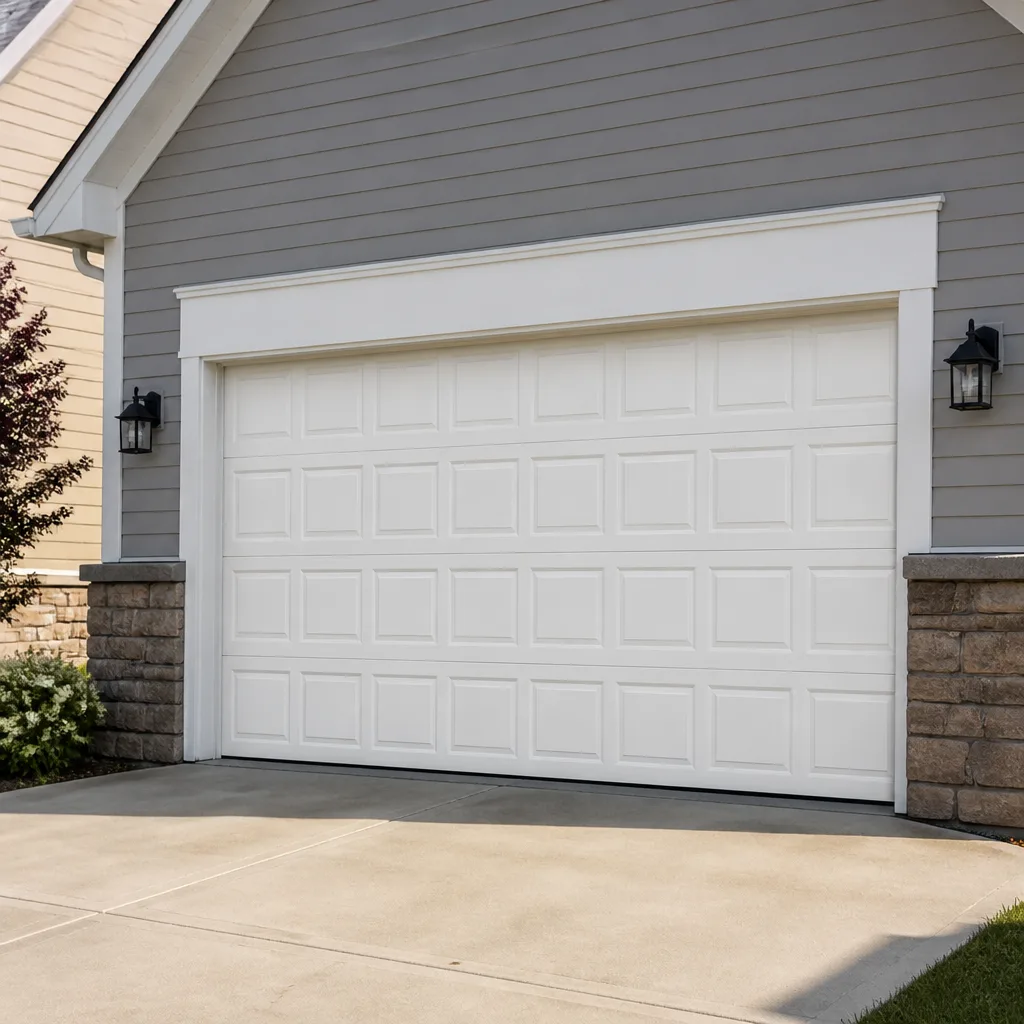 Raised-panel steel
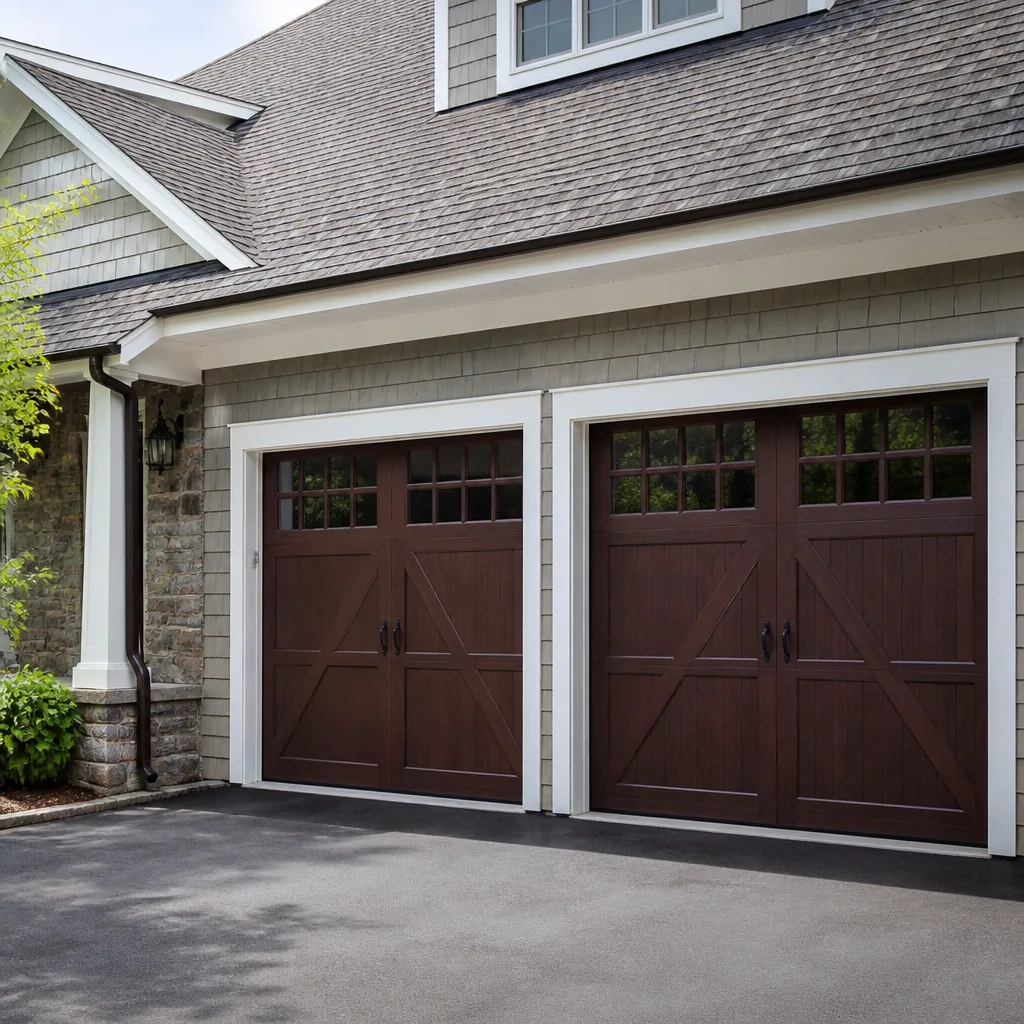 Carriage house
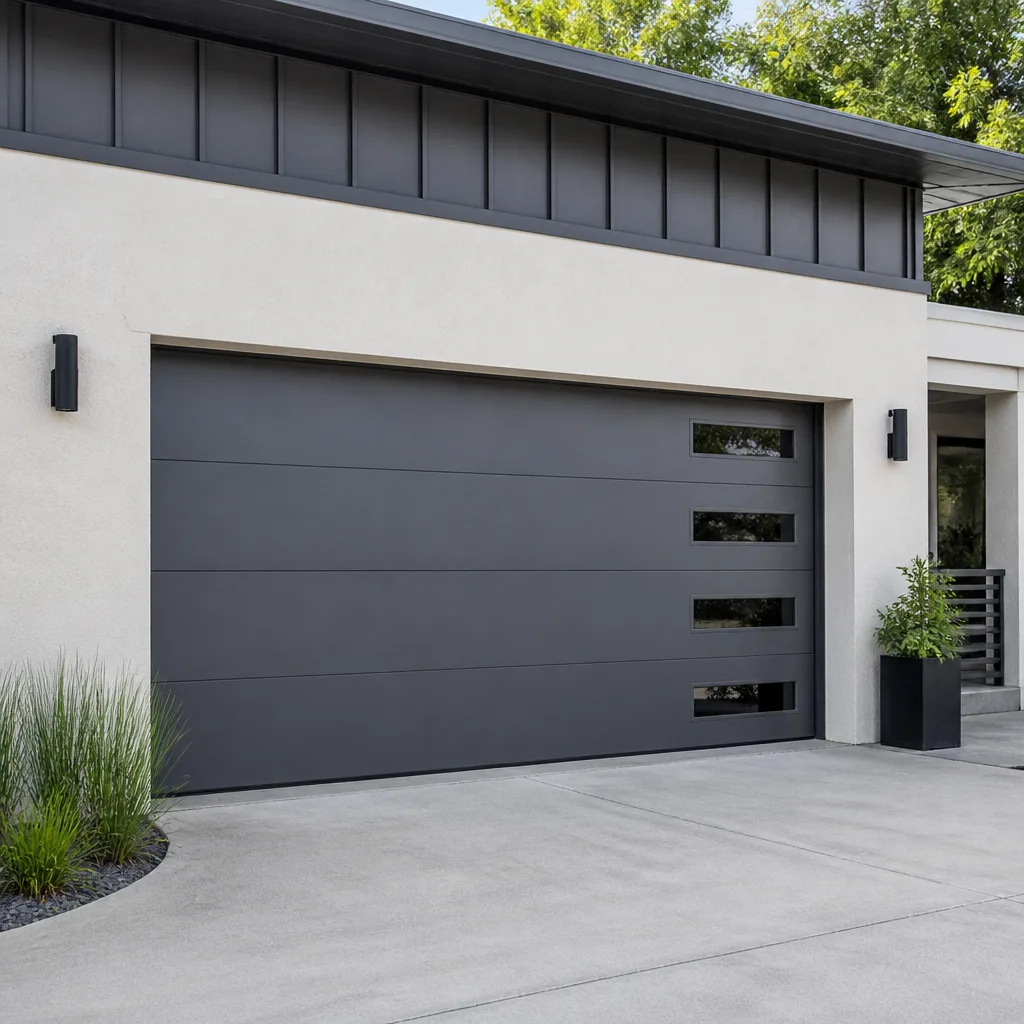 Modern flush
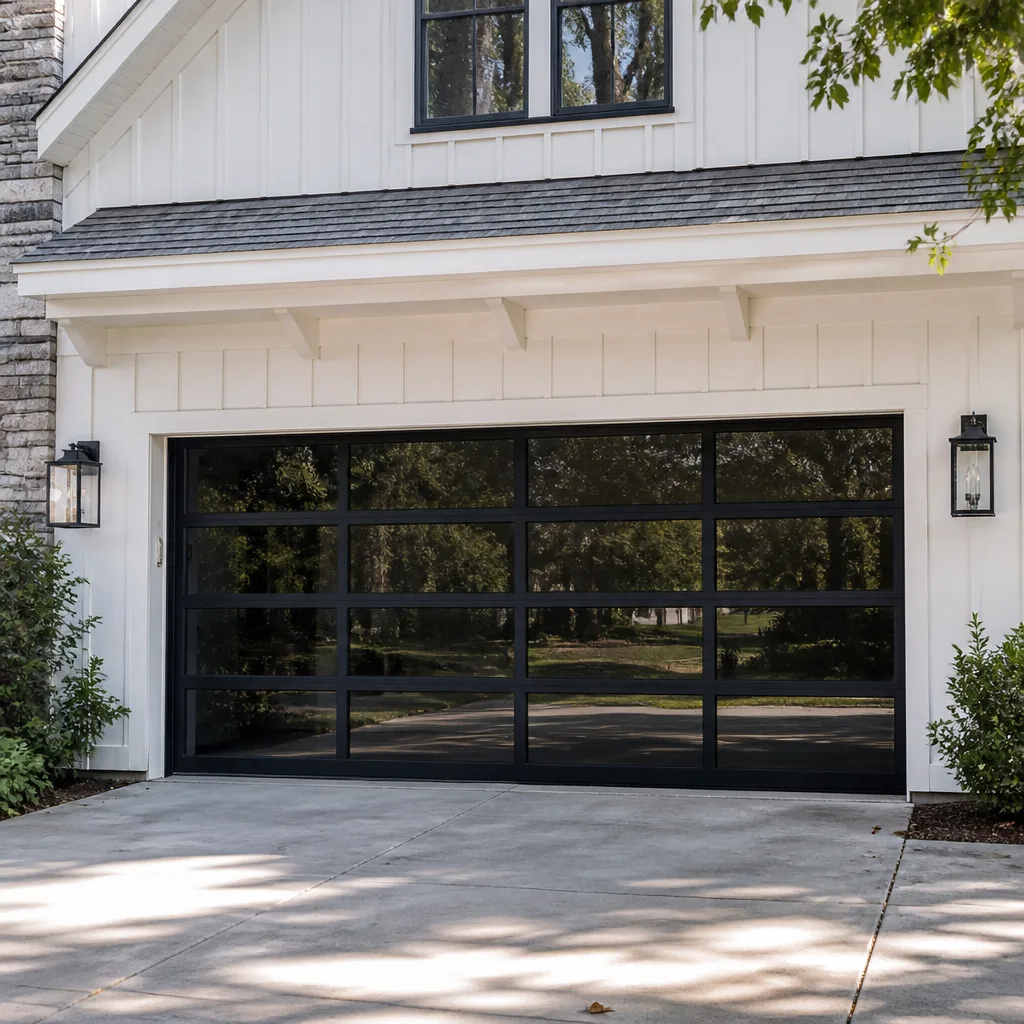 Full-view glass
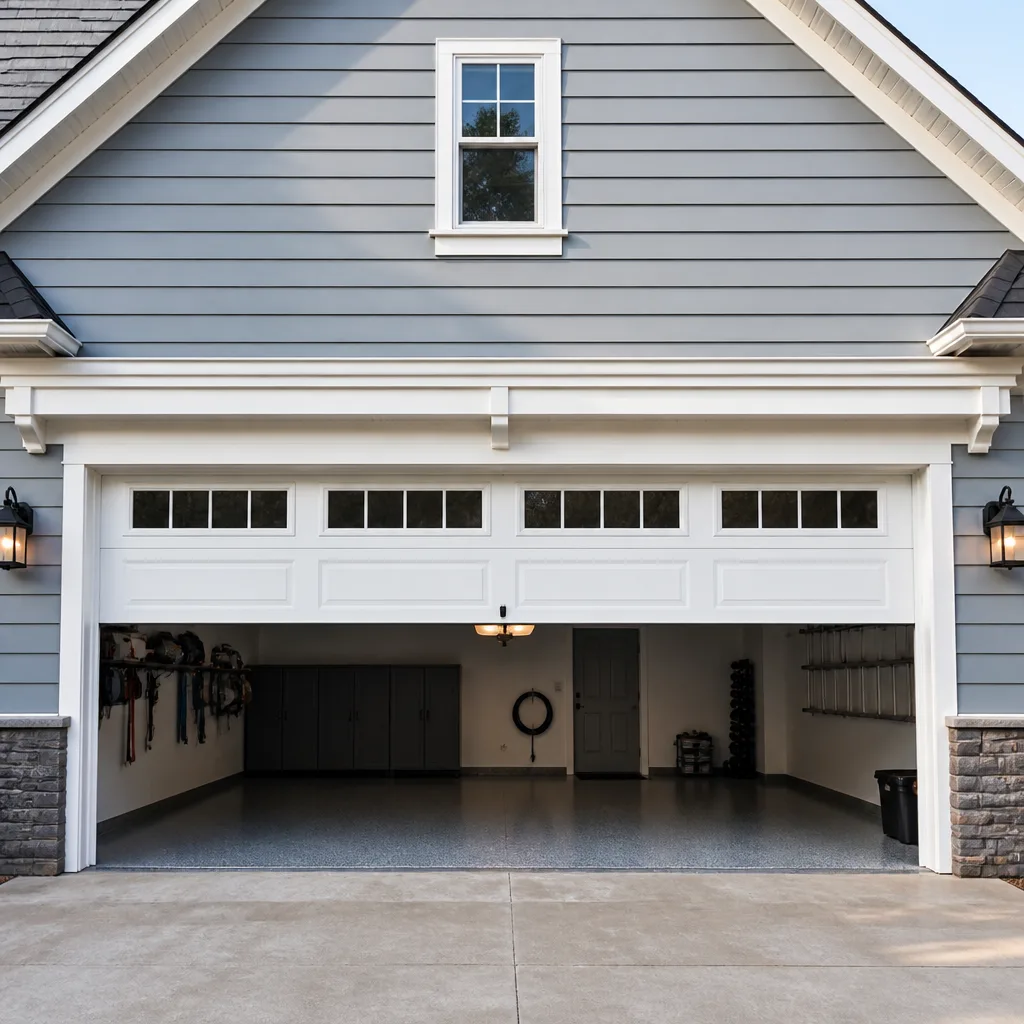 LiftMaster openers
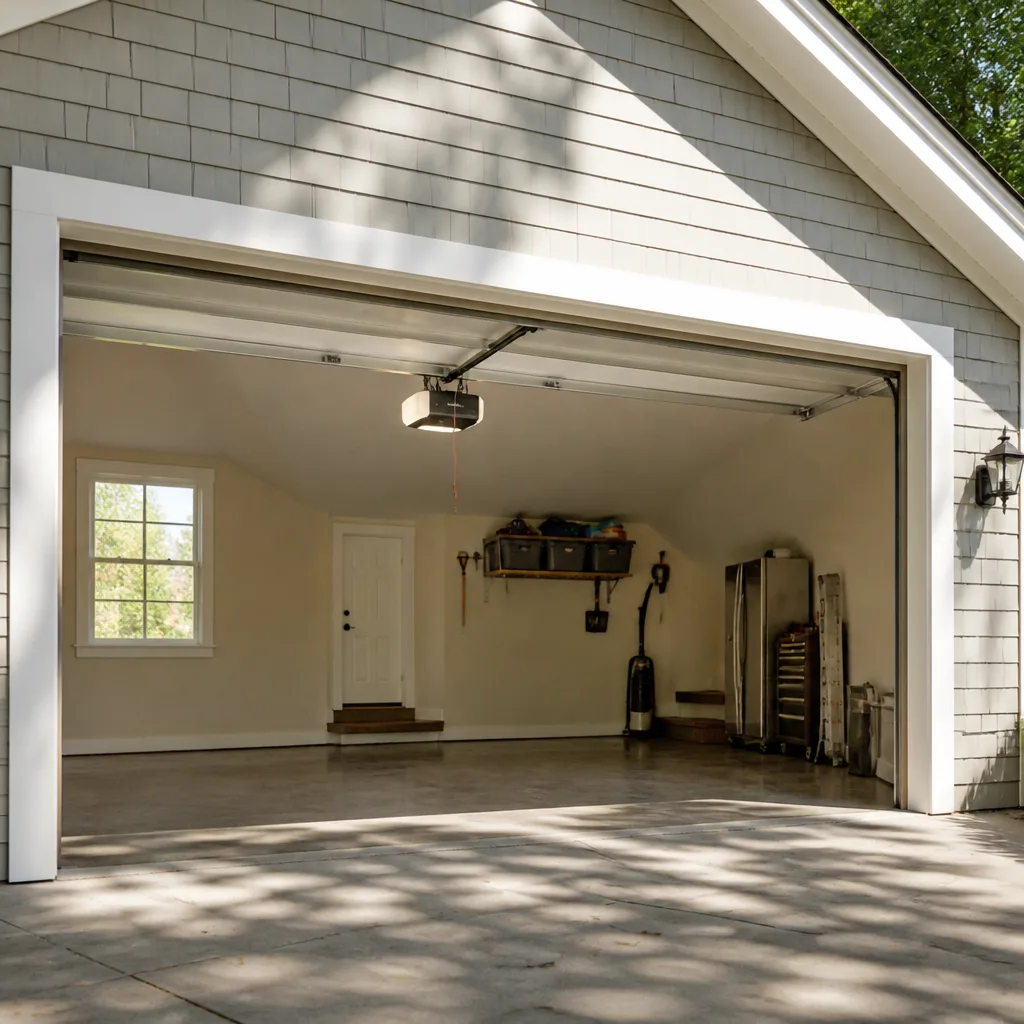 Chamberlain openers
Full 25-point door and opener safety check with every visit - springs, cables, rollers, tracks, and your LiftMaster or Chamberlain opener included
You get a price before we start. It does not change when the pro arrives.
Get your free estimateGarage Door Repair Maintenance Checklist for Homestead Homeowners
The number-one cause of premature garage door spring failure in South Florida isn’t age. It’s the wrong lubricant applied on the wrong schedule in a climate that accelerates every form of metal degradation. We’ve pulled springs in Homestead that were barely into their expected service life but had rust pits deep enough to catch a fingernail, and the homeowner had been faithfully “oiling the door” twice a year with a spray that trapped grit and moisture instead of sealing it out. Humidity, sun, and warm nights change the maintenance math here. This guide gives you a task-by-task checklist organized by month, quarter, and hurricane season: which lubricants actually work in this climate, how to spot UV-brittle weather seals before they fail, what to inspect after a named storm, and which jobs belong in your hands versus a trained technician’s. Homestead doors live a different life than the doors the national checklists were written for, and this checklist is built for that life.
Quick Answer
A garage door in Homestead needs lubricant on the springs, hinges, rollers, and tracks every two to three months rather than twice a year, a UV and seal inspection quarterly, a full hardware and balance check before hurricane season, and a post-storm inspection before you run the door. Clean with a solvent-free lubricant, skip silicone spray on moving metal in warm climates, and never touch the springs or cables yourself.
Styles & brands we work with
- Raised-panel steel
- Carriage house
- Modern flush
- Full-view glass
- LiftMaster openers
- Chamberlain openers
Table of Contents
- Why Homestead Maintenance Looks Different
- The Monthly Checklist
- The Quarterly Checklist
- Weather Seals and UV Brittleness
- Pre-Hurricane-Season Checklist
- Post-Storm Inspection Protocol
- Choosing the Right Lubricant
- DIY Tasks vs. Technician Tasks
Why Homestead Maintenance Looks Different
Every national garage door checklist you’ve seen was written for a place with four distinct seasons, dry air most of the year, and a long winter when nothing moves. Homestead isn’t that place. Our doors sit in heat and humidity year-round, and they run in it more often than most, since the garage here is often the main way into the house and the place where lawn gear, tools, and weekend projects live.
Three environmental forces drive most of the failure modes we see in Homestead.
- Sustained humidity. Metal doesn’t get a dry season to recover. Rust gets a head start on bare steel, hinges, and the bottom of a steel door, and once it starts it keeps going.
- Sun and UV. The south- and west-facing face of the door bakes most afternoons. Rubber seals, plastic hinges, and any vinyl component degrade from UV long before they wear out from use.
- Warm nights. The temperature never really drops at night for much of the year. Debris, dust, and insects stay active, and anything sticky on the door or track stays sticky.
Put those together and the standard advice to lubricate twice a year falls short. Our technicians have up to 9 years of experience, and the pattern across all eight major brands we service is consistent: doors maintained on a national schedule in Homestead arrive at garage door repair earlier and with more rust damage than doors maintained on a local one. The fix isn’t expensive or complicated. It’s just a calendar matched to where you actually live.
One more thing that’s specific to this corner of Miami-Dade: hurricane season runs long, and it drives a maintenance rhythm all its own. Doors need a pre-season check and a post-storm inspection that no generic checklist includes. We cover both below.
The Monthly Checklist
These are the jobs that keep a Homestead door running smoothly month after month. None takes more than twenty minutes, and all of them are safe for any homeowner.
- Look at the door from the street. Step back and check that the door looks level. A door that’s riding low on one side or showing a visible tilt is telling you something is out of balance.
- Test the balance by hand. Disconnect the opener (pull the release cord with the door fully closed), lift the door to the halfway point, and let go. A healthy door stays put. One that drops or shoots up needs a technician.
- Listen to the door as it runs. A steady hum is normal. Grinding, squealing, popping, or a bang at any point in the cycle is not, and it usually means a worn roller, a dry hinge, or a loosening spring.
- Wipe down the tracks with a dry or slightly damp cloth. Dust, grass clippings, and leaf grit collect in the channel. Don’t use grease or oil in the track itself; it collects debris and turns into a paste.
- Check the safety sensors. The two small sensors at the base of the door should have a solid (not flickering) light. Wipe the lenses; in Homestead, pollen, dust, and spider webs are frequent culprits.
- Run the auto-reverse test. Put a roll of paper towels or a piece of scrap wood in the door’s path and close it. It should reverse on contact. If it doesn’t, stop using the door and call for garage door opener repair.
- Glance at the springs. You can look; you can’t touch. A spring that’s visibly rusty, sagging, or has a visible gap in the coil is a call-now item, and so is a door that won’t hold itself up.
That last point matters. Garage door springs and cables are under enough tension to cause serious injury, and they’re the one part of the door no homeowner should ever try to adjust, lubricate by hand, or replace. Visual inspection is safe. Everything past that is a technician’s job.
The Quarterly Checklist
Every three months, add the jobs that need a little more attention and a few basic tools.
- Lubricate the moving metal. Springs, hinges, roller stems, and the pivot points on the door get a light coat of a lithium- or PTFE-based garage door lubricant. This is the most important habit in the whole checklist, and it’s the one most Homestead homeowners skip. We cover the right products in the lubricant section below.
- Check the bolts and fasteners. Vibration loosens hardware over time. Go around the door and the opener with a socket wrench and snug anything that feels loose. Don’t over-tighten; the door panels are thin.
- Inspect the rollers. Nylon rollers wear flat or develop cracks. Steel rollers develop flat spots. Any roller that wobbles or has visible damage should be replaced. It’s a cheap part, and a worn roller drags on the whole system.
- Look at the hinges. In Homestead, hinges are one of the first parts to show rust. Surface rust can be cleaned and lubricated. Deep rust, cracks, or a hinge that’s pulling away from the panel needs replacement.
- Inspect the weather seals. The bottom seal, the side seals, and the top seal all degrade faster here. We cover this in the next section, because it’s the most Homestead-specific failure mode in the checklist.
- Test the opener’s force setting. The opener should reverse with mild resistance. If it needs to push hard to close, the door is dragging somewhere, and that extra strain shortens the opener’s life.
If it’s been a while since the door got this level of attention, a single visit for garage door spring repair often turns up a handful of these smaller issues at the same time. It’s worth asking the technician to walk the door while they’re there.
Weather Seals and UV Brittleness
Weather seals are where a northern checklist and a Homestead checklist part ways most sharply. In cooler climates, seals fail from ice and abrasion. Here, they fail from sun.
UV exposure does something specific to rubber and vinyl: it breaks down the chemical bonds at the surface, which is why a seal that still looks black from a distance can crack the moment you press a fingernail into it. Eventually a brittle seal cracks, curls, or breaks off in chunks. The result is a garage that lets in heat, humidity, insects, and water during our afternoon storms, and a door that slams and rattles instead of sealing quietly.
Here’s how to inspect your seals without doing anything risky:
- Look along the bottom seal from inside the garage with the door closed. Light coming through means the seal has failed at that spot.
- Press a thumbnail into the rubber. A healthy seal springs back. A UV-brittle seal cracks, flakes, or leaves a permanent dent.
- Check the side and top seals the same way. Run your hand along them and look for curling, gaps, or areas that have pulled away from the frame.
- Look at the door’s bottom edge. A rusted, bent, or rotting bottom rail usually means the seal has been leaking for a while.
If a seal is cracked, curled, or missing pieces, replace it. It’s a small job, and it’s worth doing before our summer rains arrive. If you’re not sure whether the seal is failing or just dirty, a technician can tell you in a few minutes. The same UV that kills seals can also damage the finish on a steel door, especially on doors by Clopay, Amarr, Wayne Dalton, or Craftsman that have been in the sun for years. If the paint is chalky or the finish has gone flat on the sunward face, it’s worth a touch-up before rust sets in.
Pre-Hurricane-Season Checklist
Hurricane season is a fact of life in Homestead, and the garage door is one of the most vulnerable parts of a house. A door that fails in a severe storm doesn’t just let in water; it can let wind into the house, which is exactly what you don’t want. The door also needs to be in good condition so that the rest of your wind preparation actually works.
This is the check to run before the season starts, ideally a few weeks out so any repairs have time to be done properly rather than rushed:
- Test the door’s balance and auto-reverse. Both covered above. A door that won’t reverse or won’t stay up is not ready for storm season.
- Inspect every panel and hinge. Look for cracks, loose panels, or hinges pulling away. These are the weak points that fail first under pressure.
- Check the bottom and side seals. A sealed door is more resistant to wind-driven rain. Replace any UV-brittle or broken seals.
- Look at the track. Tracks should be plumb, aligned, and free of bends. A slightly bent track gets worse under load.
- Check the springs and cables by eye only. Rusty springs, frayed cables, or any visible damage is a call-now item. Do not adjust or tighten them yourself.
- Lubricate all moving parts. A well-lubricated door runs more smoothly and puts less strain on the opener and springs.
- Clear the garage floor and door path. Water stored in the path of the door or piled against the seals does damage when the door operates.
If your door has a storm rating or was installed specifically to meet local wind requirements, note what it is before the season. If you’re not sure, a professional can check. If your door has visible structural damage or a spring that looks ready to fail, it’s worth knowing that now rather than during a storm. Homeowners with an aging or damaged door often choose to compare repair against garage door installation before the season starts, since a replacement gets properly measured, ordered, and scheduled rather than rushed at the last minute.
Post-Storm Inspection Protocol
After any named storm or severe weather event, don’t just press the opener button and hope. A door that’s been through high wind and driving rain needs a careful look before it runs again.
- Look at the door from a safe distance before touching anything. Check the alignment, the panels, and the track. If a panel is hanging loose, a track is bent, or anything looks like it’s about to fall, stay clear and call a professional.
- Inspect the springs and cables for visible damage. Don’t touch them. A rusted or bent spring after a storm can fail suddenly, and that’s an injury risk. If you see anything wrong, stop.
- Look for water intrusion inside the garage. Standing water near the door means the seals failed. If the door’s bottom rail or the bottom of the panels is soaked, dry it out promptly to slow rust.
- Check the track alignment. Wind can push a door just enough to bend a track or pull a bracket loose. A track out of alignment is a stop-and-call item.
- Test the auto-reverse before normal use. Only after the above checks look clean, run the door a few inches and use the reverse test. If anything is off, stop.
- Check the opener and its mounting. The opener rail and ceiling brackets take a beating in a storm. Look for sagging or loose brackets.
If a spring breaks, a door comes off track, or the door won’t close after a storm, that’s when a dedicated emergency garage door service matters. A stuck or unsecured door is a safety issue for the whole house, not something to schedule for next week. Call (844) 497-0861. We answer 24/7, and fast dispatch runs from 7am to 7pm, Sunday through Friday, so a storm-damaged door gets looked at quickly rather than sitting open.
Choosing the Right Lubricant
Here’s where the national template hurts Homestead homeowners the most. The two most common lubricant mistakes we see are using the wrong product and applying the right one on the wrong schedule.
The right products for this climate:
- Lithium grease (a white or translucent grease) is the workhorse for hinges, springs, and roller stems. It clings well, resists moisture, and lasts longer than a spray in warm, humid conditions.
- PTFE (Teflon) lubricants are a good option for tracks and moving parts that need to stay relatively clean. They dry to a film that resists dust and moisture.
- White lithium aerosol is convenient for hard-to-reach spots. Use it sparingly; too much attracts grit.
The products to avoid here:
- Silicone sprays are the most common recommendation in national checklists, and they’re the least appropriate for Homestead moving metal. Silicone sprays dry to a thin film that can trap dust and grit, which accelerates wear on rollers and hinges. In a warm climate where insects stay active, sticky silicone residue can also attract pests that find their way into the garage.
- WD-40 and general-purpose oils are solvents first and lubricants second. They evaporate, leave metal dry, and do nothing to protect against humidity.
- Grease in the tracks. Tracks should stay clean and dry. Grease in the channel collects grit and turns into a grinding paste.
How often to apply in Homestead: every two to three months on springs, hinges, and roller stems. That’s more often than the national advice of twice a year, and it’s the single change that makes the biggest difference to a door in this climate. If your door still runs rough after a proper lubrication, the problem is usually a worn roller or hinge that needs replacement, not more lubricant.
DIY Tasks vs. Technician Tasks
Here’s the honest split. Most of the monthly and quarterly checklist is safe for any homeowner with a step stool and a few basic tools. A handful of jobs are not, and no amount of care changes that.
Safe for any homeowner:
- Visual inspection of the door, panels, seals, and springs
- Lubricating springs, hinges, and roller stems with the right product
- Wiping down the tracks
- Testing the auto-reverse and safety sensors
- Tightening visible bolts and hinges
- Replacing weather seals
- Testing the balance by hand with the door released
Technician work only:
- Adjusting or replacing springs or cables (these are under extreme tension and can cause serious injury)
- Replacing rollers that require releasing spring tension
- Aligning or replacing tracks
- Adjusting the opener’s force settings beyond the manufacturer-recommended test
- Any repair that requires the door to be taken off its tracks
- Replacing a door panel or the full door
If you’re ever unsure which category a job falls in, treat it as a technician job. Our technicians have up to 9 years of experience, and they work with every major brand in Homestead homes, including LiftMaster, Chamberlain, Genie, Clopay, Amarr, Wayne Dalton, Craftsman, and Raynor. That means if you call about a stuck door or a rough-running opener, the technician arrives prepared for the system you actually have, not just the brand they happen to stock.
Common Mistakes to Avoid
- Lubricating twice a year out of habit. The national schedule is too slow for Homestead humidity. Move to every two to three months and your springs, hinges, and opener will last longer.
- Using silicone spray on moving metal. It’s the most common recommendation and a poor fit for a warm, humid climate. It traps grit and can attract insects. Use lithium or PTFE products instead.
- Greasing the tracks. Tracks should stay clean and dry. Any grease in the channel collects dirt and turns into an abrasive paste that wears the rollers faster.
- Ignoring UV-brittle seals because they still look black. A seal can be cracked and flaking underneath the surface. Press a thumbnail into it; if it doesn’t spring back, replace it.
- Pressing the opener after a storm without an inspection. If a track or spring was damaged, running the door makes it worse. Inspect first, then operate.
- Trying to “rebalance” a spring yourself. Springs and cables are under enough tension to cause serious injury. Visual inspection is fine; adjustment is a technician’s job, and no amount of online guidance changes that.
- Skipping the pre-hurricane-season check. The garage door is one of the most vulnerable parts of a Homestead home in a storm. A few small fixes before the season start make a real difference.
See the difference
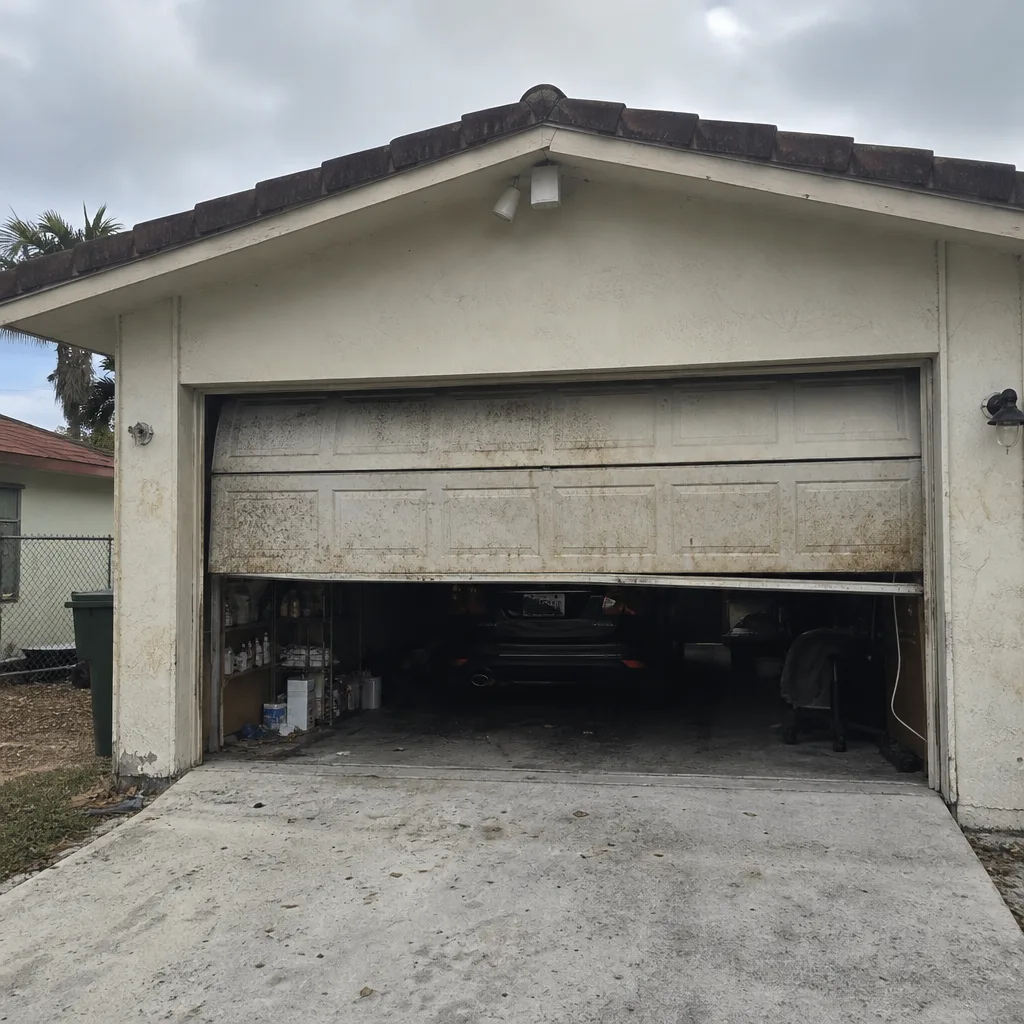 Before
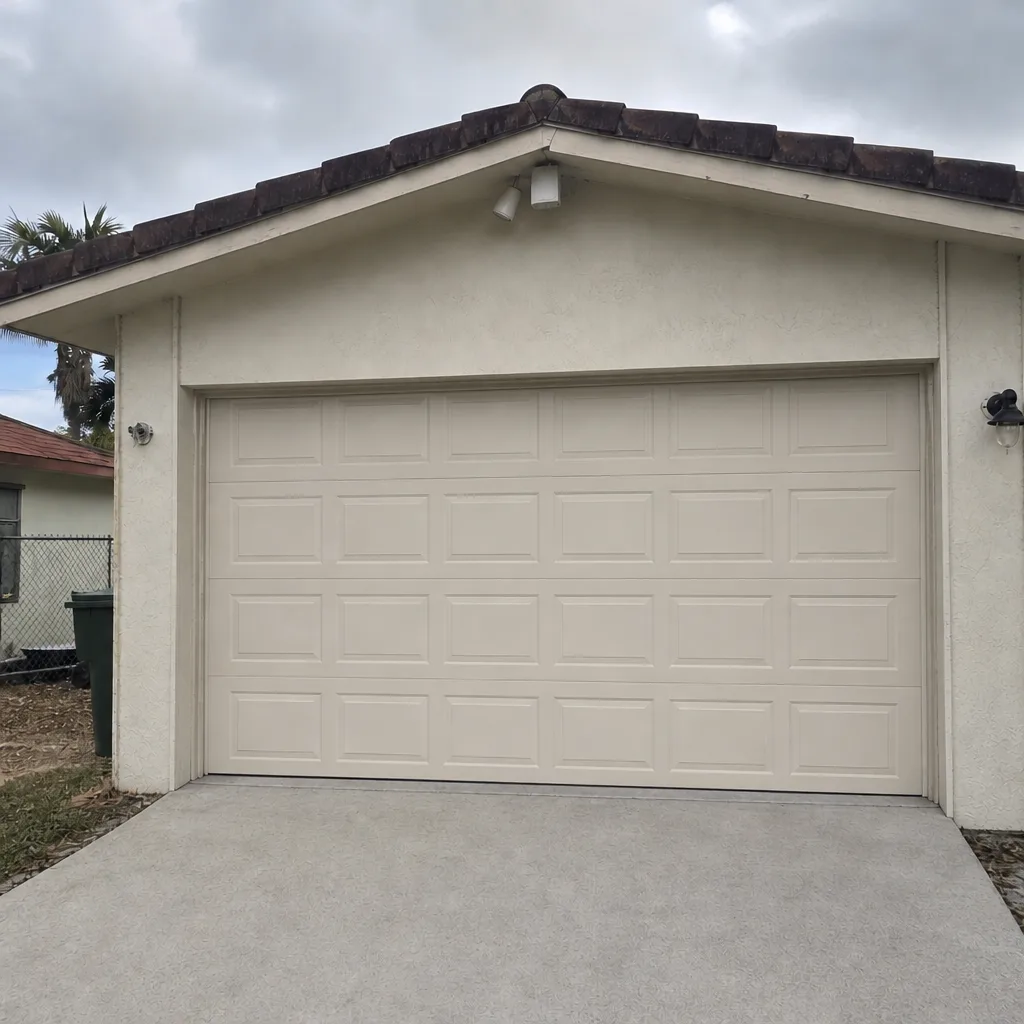 After
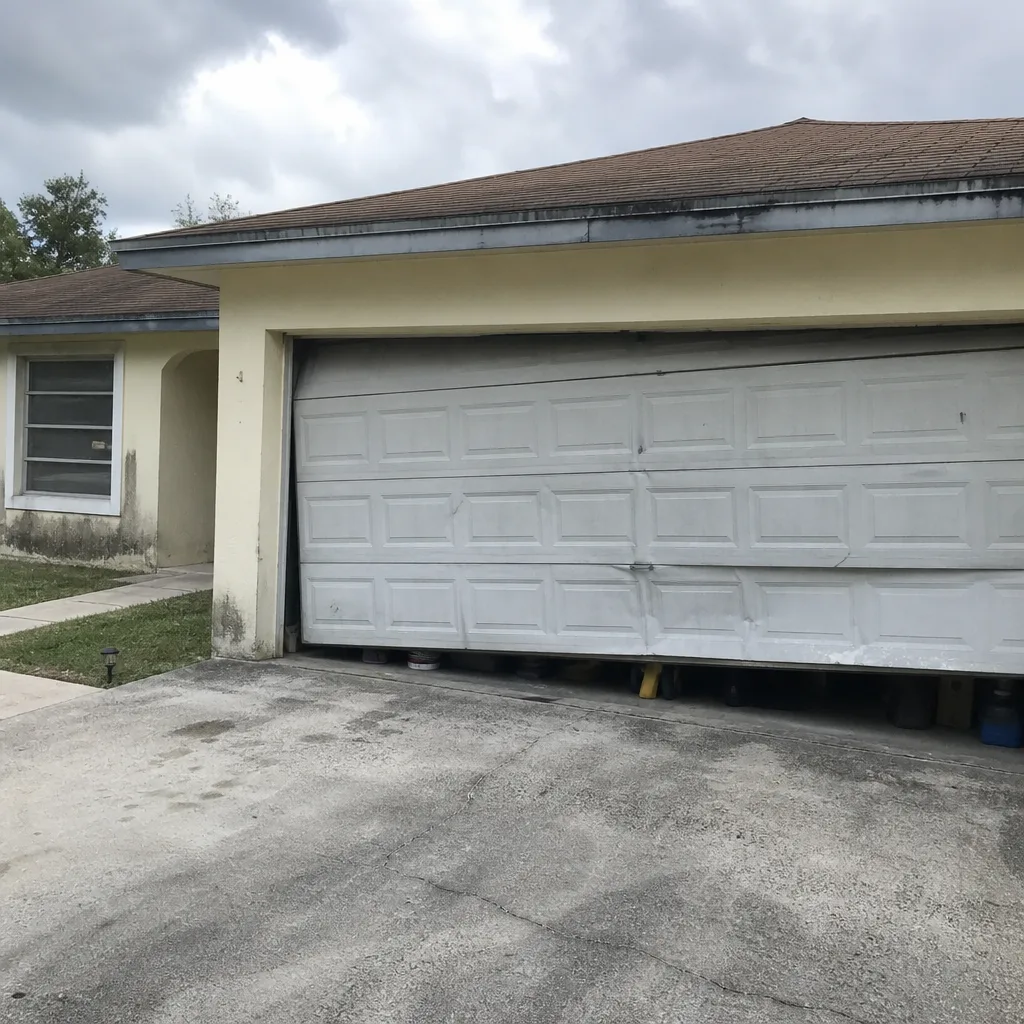 Before
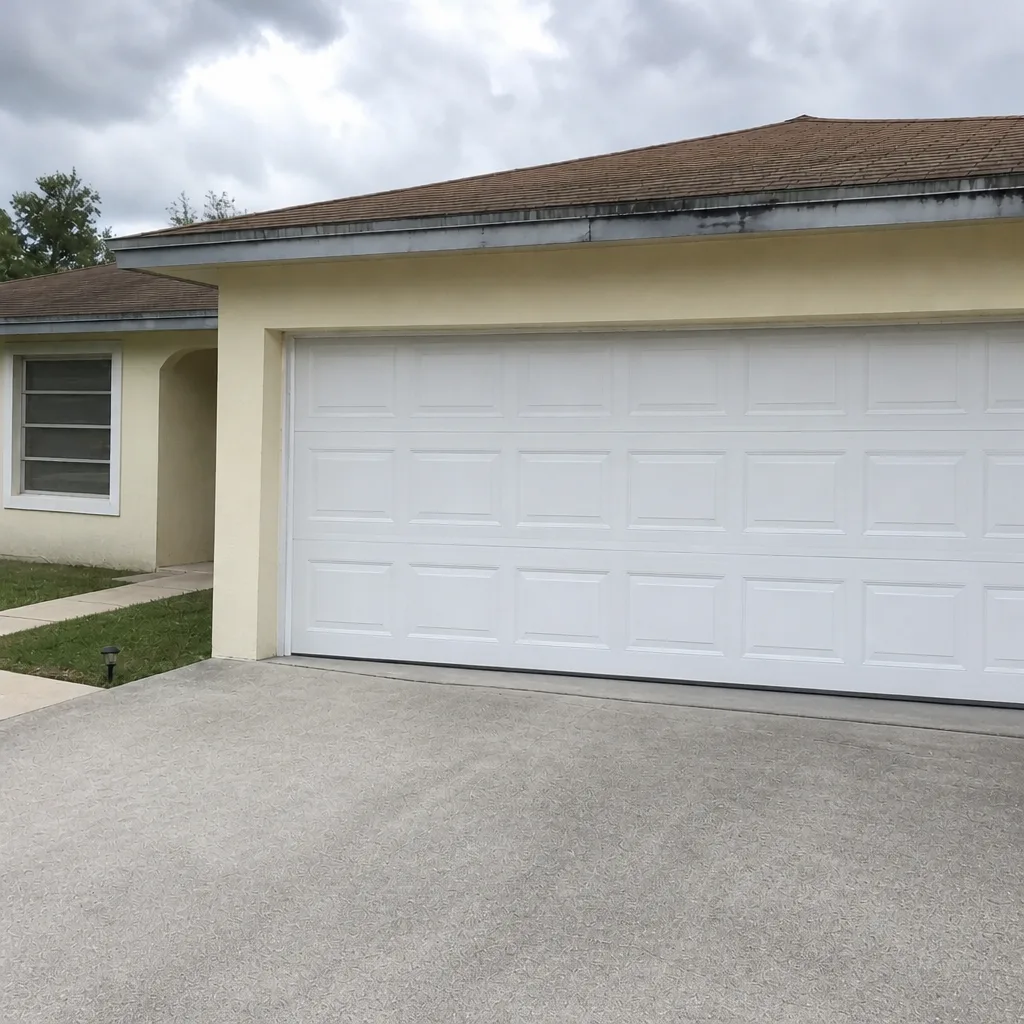 After
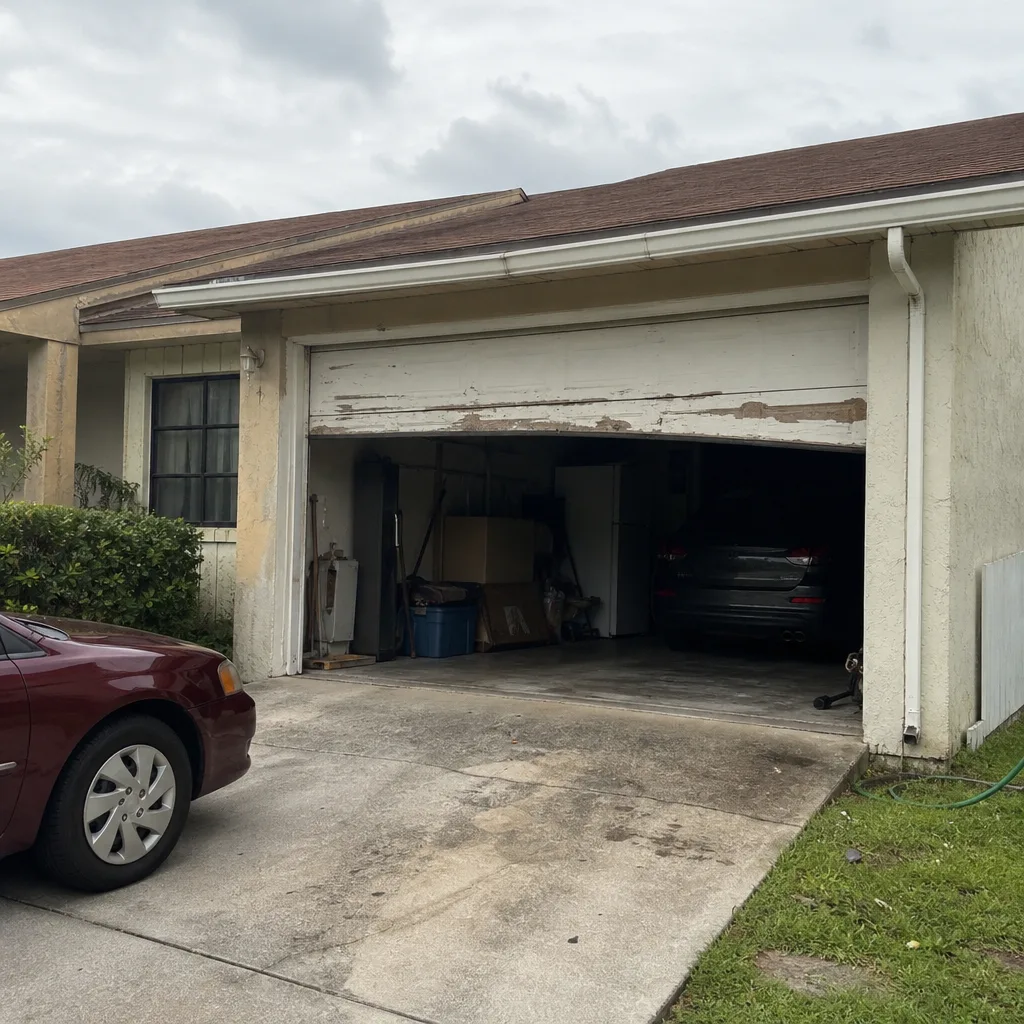 Before
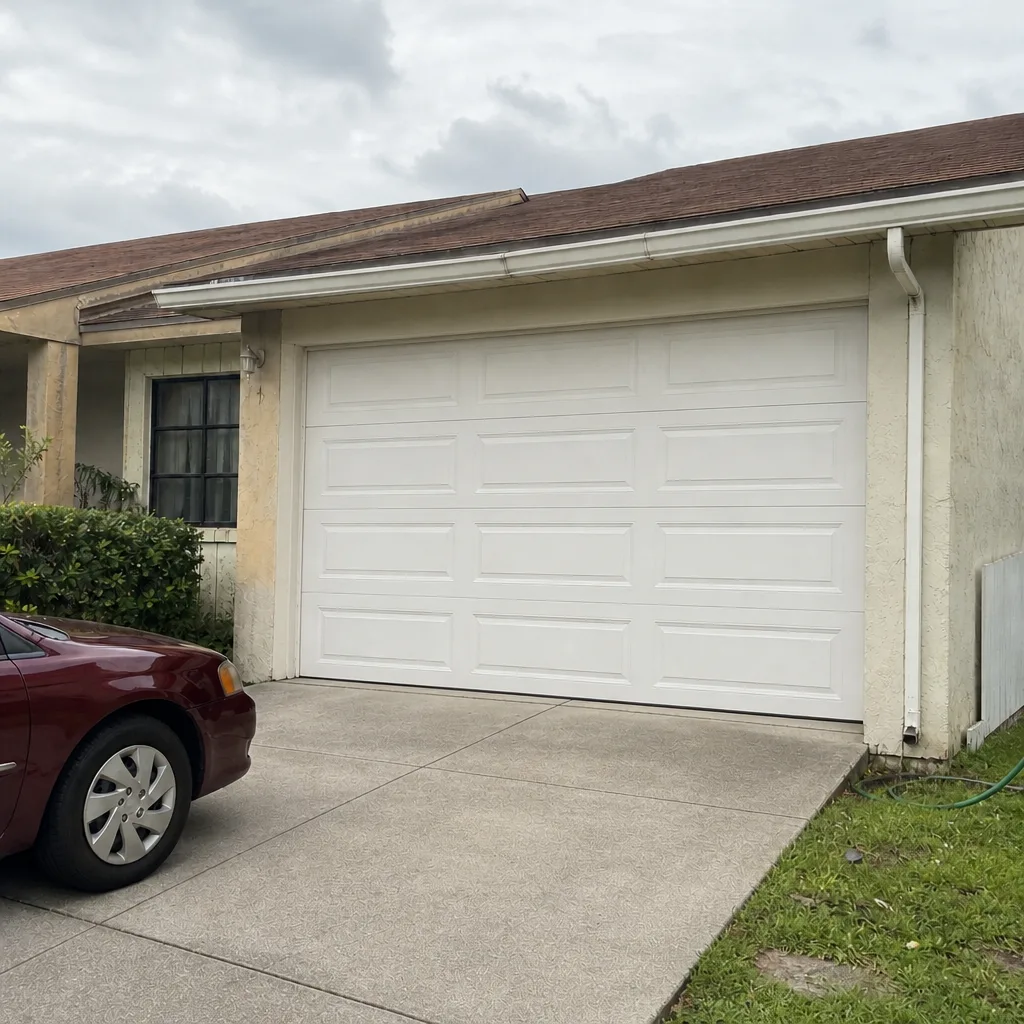 After
When to Call a Professional
Some jobs in this checklist belong in your hands, and some don’t. Call for a professional when the door won’t stay up when you let go of it, when you hear a loud bang and the door stops working, when a spring looks rusty, sagging, or broken, when a cable is frayed, or when a track is bent and the door is off its path. Also call if the auto-reverse fails, if the safety sensors won’t stay on, or if the opener runs but the door doesn’t move. After a storm, call if there’s visible damage before you operate the door.
Homestead Garage Door Repair Pros offers free estimates in Homestead. We handle repair, opener repair, spring repair, installation, and emergency service under one call, so you’re not chasing a second contractor when a repair turns out to be a replacement. Written estimates are free, and the price is set per job by the written estimate and quoted before any work starts. Call (844) 497-0861. We answer 24/7. Fast dispatch from 7am to 7pm, Sunday through Friday.
Frequently Asked Questions
Every two to three months on the springs, hinges, and roller stems, which is more often than the twice-a-year schedule most national guides recommend. Homestead’s humidity and year-round warmth accelerate rust and wear, so a more frequent schedule with a lithium or PTFE lubricant makes a real difference. Call (844) 497-0861 for a free estimate if you’d like a technician to check the door’s condition.
Avoid silicone sprays on moving metal, along with WD-40 and general-purpose oils, because they dry out, trap grit, and attract debris in a warm climate. Use a lithium grease or PTFE lubricant instead. Never apply grease in the tracks; they should stay clean and dry. Call (844) 497-0861 if you’re not sure which product suits your door.
Press a thumbnail into the rubber: a healthy seal springs back, and a UV-brittle seal cracks, flakes, or leaves a dent. Also look for light coming through the closed door and for curling or gaps at the sides and top. Replace any seal that fails these checks. Call (844) 497-0861 for a free estimate on seal replacement.
No. Garage door springs and cables are under extreme tension and can cause serious injury, so spring repair should always go to a trained technician. Visual inspection is fine, but never adjust, remove, or replace a spring or cable yourself. Call (844) 497-0861 for spring repair done safely; estimates are free.
Before running the door, look at the panels, track alignment, springs, and cables, and stop if anything looks bent, loose, or broken. Check the seals for water intrusion and test the auto-reverse only once the visual checks look clean. Call (844) 497-0861 if you see any visible damage. We answer 24/7, with fast dispatch from 7am to 7pm, Sunday through Friday.
We work with the eight major brands found in Homestead homes: LiftMaster, Chamberlain, Genie, Clopay, Amarr, Wayne Dalton, Craftsman, and Raynor. That means we arrive prepared for the system you actually have, whether it’s a Clopay door, a Craftsman opener, or a LiftMaster unit. If you’re not sure of your brand, a technician can identify it on the visit. Call (844) 497-0861 for a free estimate.
The Bottom Line
Maintaining a garage door in Homestead is mostly about matching the schedule and the products to the climate you actually live in. Lubricate every two to three months with lithium or PTFE products rather than twice a year with silicone. Inspect your weather seals quarterly for UV brittleness. Run the full pre-hurricane-season check before the season starts, and do a careful post-storm inspection before you press the opener. Do the safe work yourself; call a technician for springs, cables, tracks, and anything that needs the door taken apart. Do those five things and your door will last longer and cost less to keep working.
When a repair is beyond the checklist, or when you’d rather have a professional handle a job that needs a trained hand, we’re the team to call. We work with your brand, we handle repair and replacement under one call, and we’re set up for emergency service when a door won’t budge. Call (844) 497-0861 for a free estimate. We answer 24/7. Fast dispatch from 7am to 7pm, Sunday through Friday.
Written by the team at Homestead Garage Door Repair Pros.