
Last updated November 22, 2026
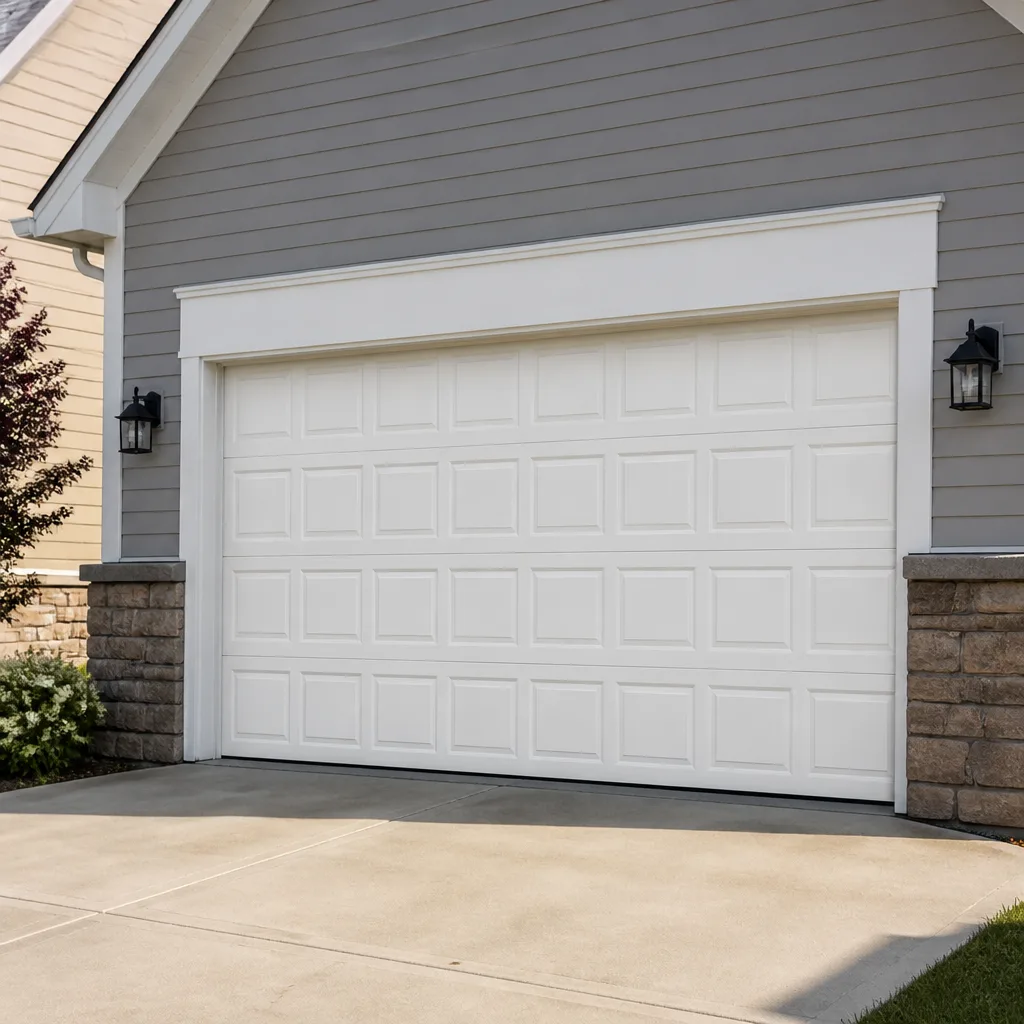 Raised-panel steel
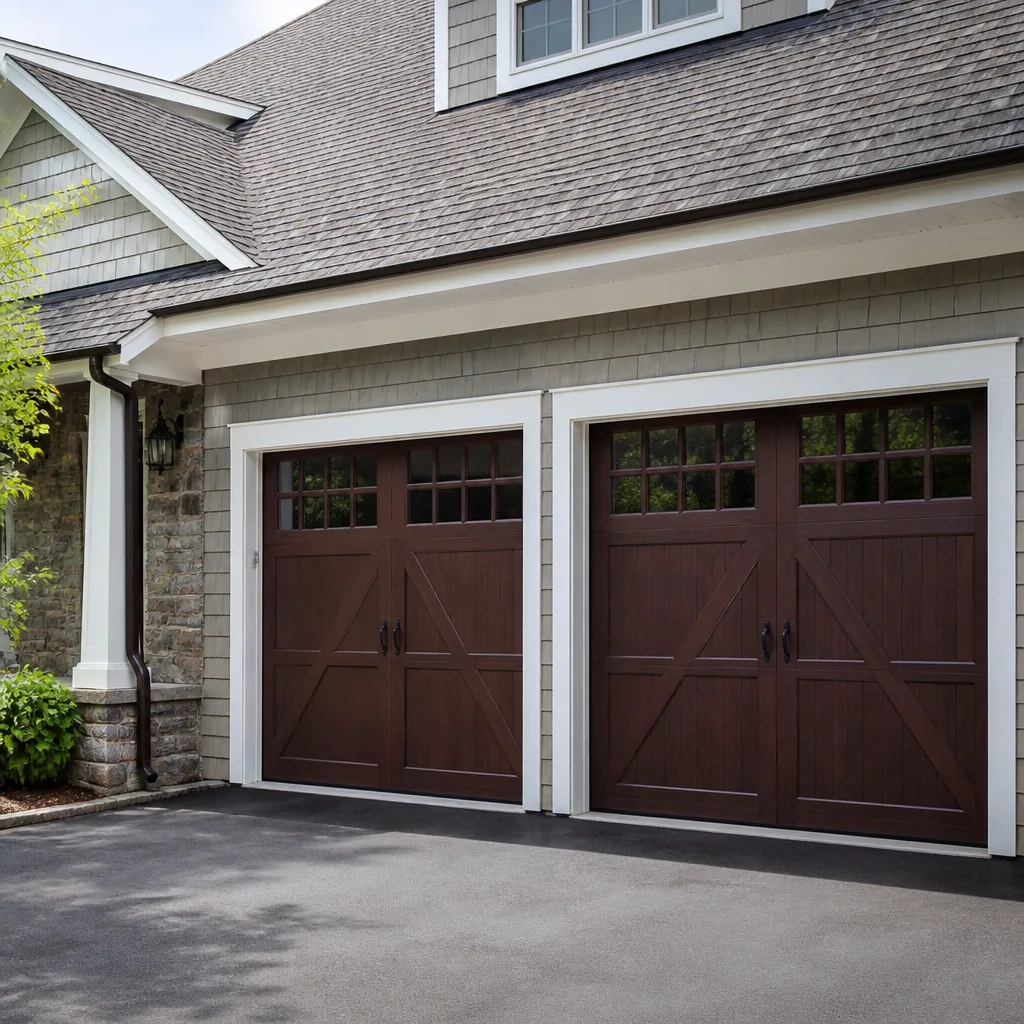 Carriage house
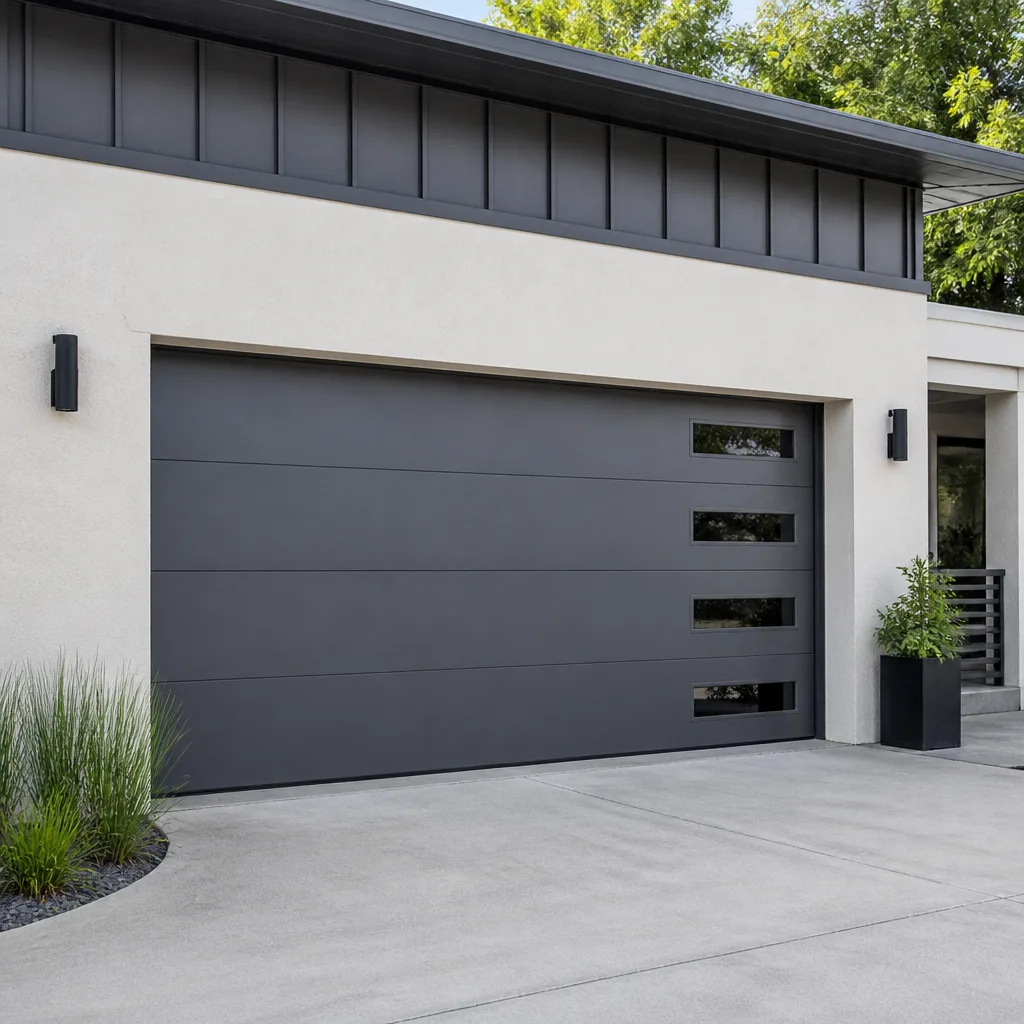 Modern flush
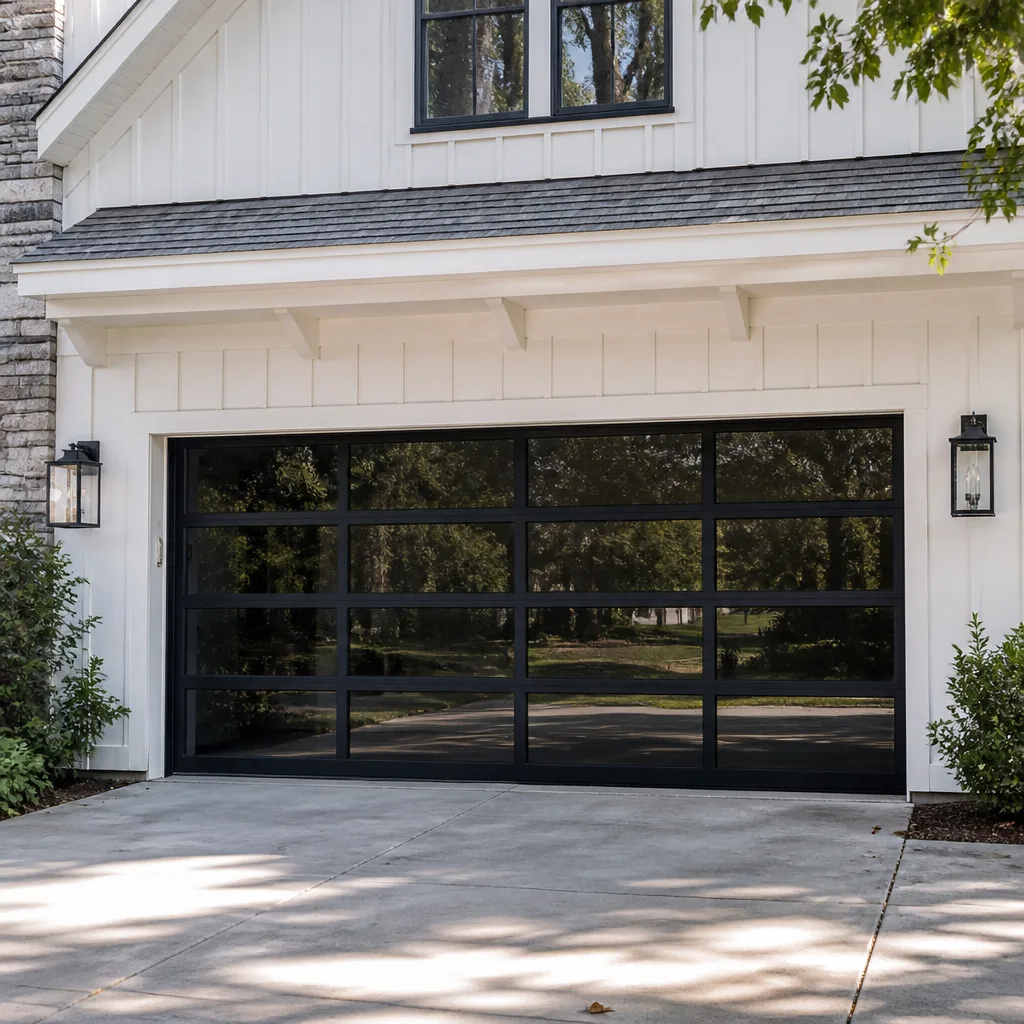 Full-view glass
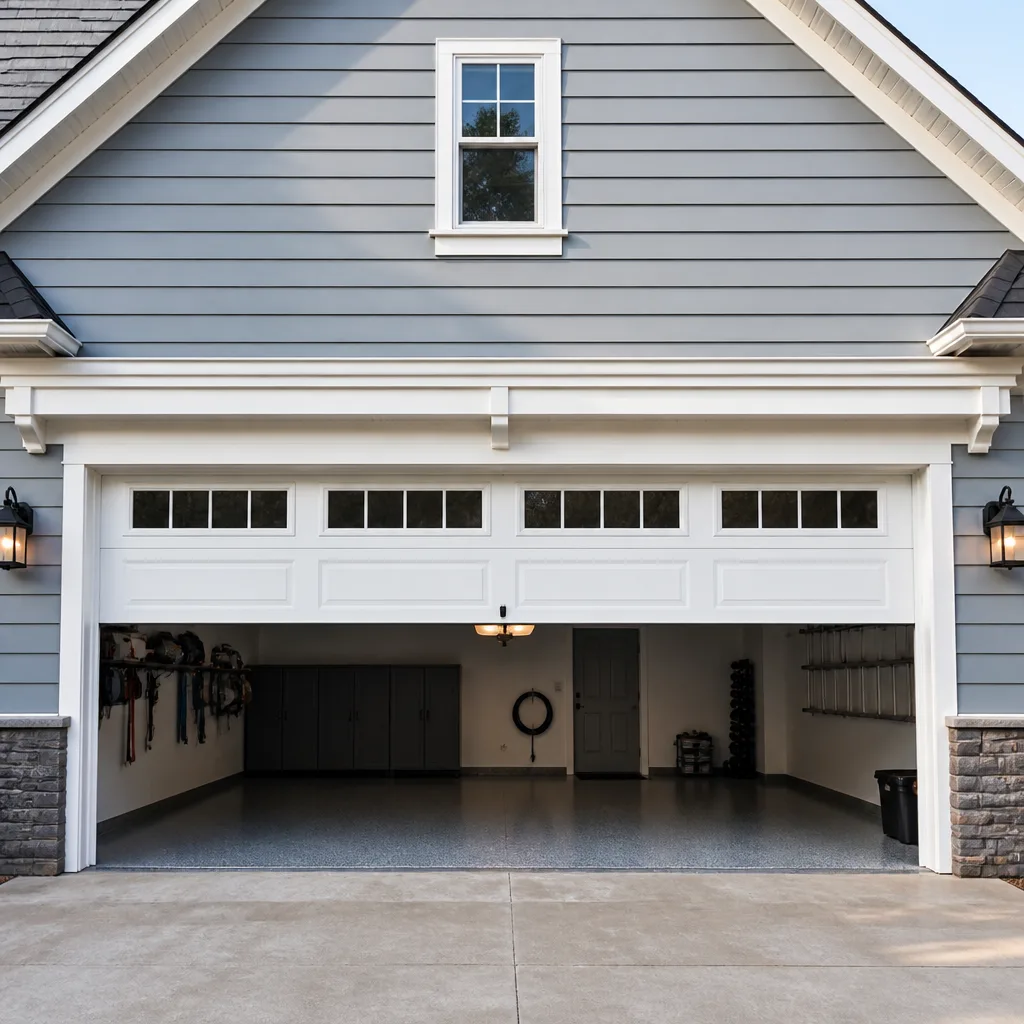 LiftMaster openers
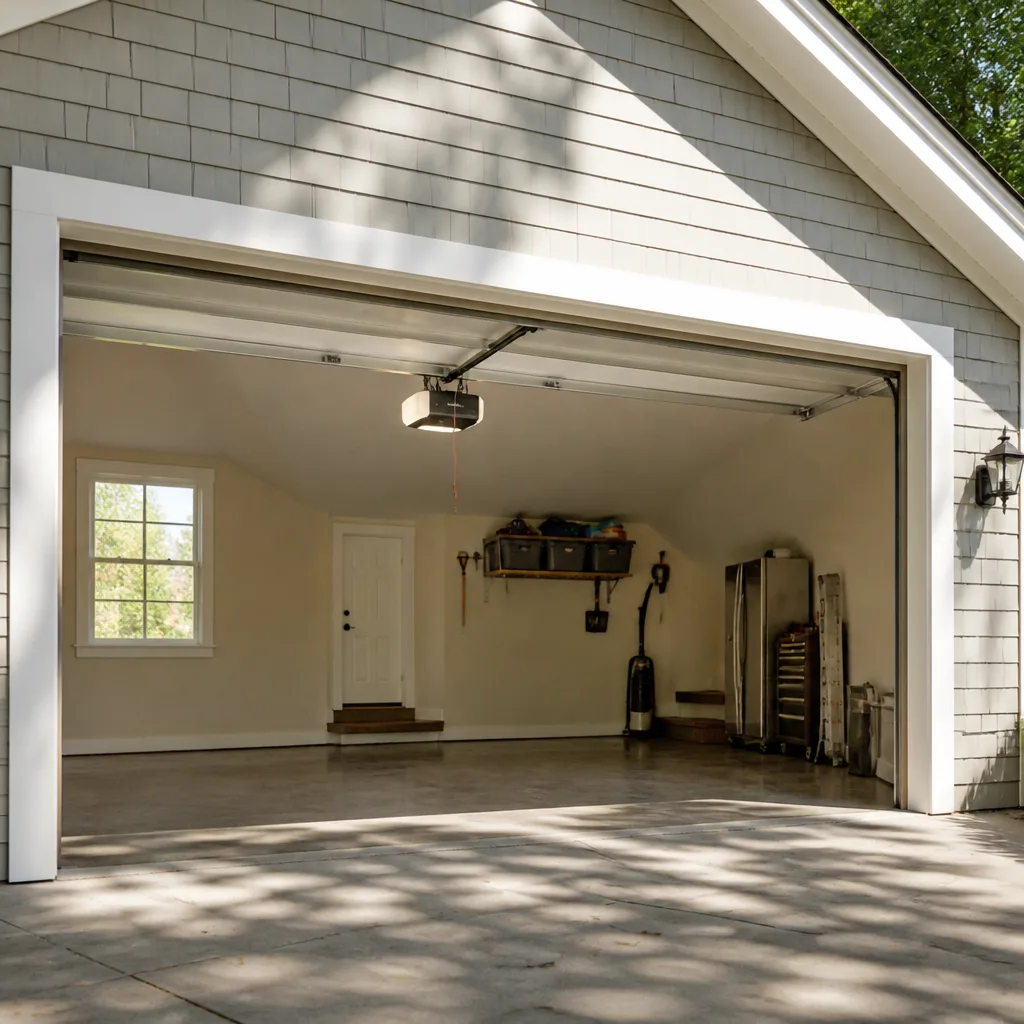 Chamberlain openers
Full 25-point door and opener safety check with every visit - springs, cables, rollers, tracks, and your LiftMaster or Chamberlain opener included
You get a price before we start. It does not change when the pro arrives.
Get your free estimateSeasonal Garage Door Care for Homestead: Year-Round Homeowner’s Guide
Most garage door care advice is written for a climate that has four distinct seasons. Homestead doesn’t. What we get instead is a dry season, a wet season, and a hurricane season that overlaps both, each one putting a different kind of stress on the springs, seals, tracks, and opener that get your door up and down every day. A single annual tune-up in Homestead misses the specific moments when a door needs attention – April before storm season starts, October when humidity peaks, January after the first cool snap. This guide walks you through each window on South Florida’s real climate calendar and shows you what to check, what to leave to a technician, and when to make the call.
Quick Answer
Seasonal garage door care in Homestead means spring pre-storm checks before June 1, moisture and rust management through the wet season, post-storm recovery within 48 hours, and UV and sensitivity checks in the drier months. A garage door that’s maintained against South Florida’s climate calendar lasts longer and stays safer than one that gets an annual inspection built for a colder part of the country. The biggest wins come from checking the springs, anchor bolts, and bottom seal at the right time of year rather than waiting for something to break.
Styles & brands we work with
- Raised-panel steel
- Carriage house
- Modern flush
- Full-view glass
- LiftMaster openers
- Chamberlain openers
Table of Contents
- Why Homestead’s Climate Calendar Is Different
- Pre-Hurricane Season Checklist (April – May)
- Wet Season Maintenance (June – October)
- Post-Storm Recovery: The First 48 Hours
- Dry Season Tasks (November – March)
- Pest Pressure in Transitional Months
- A Month-by-Month Care Calendar
- When to Call a Professional
Why Homestead’s Climate Calendar Is Different
Garage doors are mechanical systems, and every mechanical system responds to its environment. In Homestead, that environment is defined by two forces: heat and moisture. Temperatures stay warm nearly all year, which means metal expands and contracts across a narrower but more constant range than it would in a colder climate, and rubber seals age faster under sustained warmth. Moisture arrives in waves – a dry stretch from roughly November into spring, then a wet stretch that runs through the summer and overlaps the Atlantic hurricane season.
That overlap matters more than any single season. When hurricane season starts on June 1, Homestead is already heading into the rainiest weeks of the year. A door that was fine in April is suddenly being tested by wind-driven rain, humidity that pushes past 80 percent for days at a time, and the occasional tropical system that brings those conditions indoors if the door doesn’t sit tight against its opening. A care plan built around a northern winter gives you none of that context.
We’ve seen doors in neighborhoods like Silver Palm, Redland, and Florida City develop problems that trace directly back to the seasonal pattern – rust starting along a bottom seal in August, a door pulling against its anchor bolts in September, an opener reversing on its own after a cool January morning. Each of those has a right time to be caught, and it isn’t on a generic annual schedule. The rest of this guide lays out those windows. When something isn’t right and you need an expert eye, Homestead Garage Door Repair Pros works on the equipment that’s actually installed on South Florida homes, from a LiftMaster opener to a Raynor door.
Pre-Hurricane Season Checklist (April – May)
April and May are the window to get your garage door storm-ready, and June 1 is the deadline. The reason this matters in Homestead goes beyond wind: a door that’s loose, out of balance, or missing a key fastener is more likely to flex, rack, or fail under storm conditions than one that’s taut and aligned. The storm itself is only part of the picture – what follows it, days of humidity with the door open or unseated, is where secondary damage starts.
Here’s what belongs on your April – May list. Some of these you can inspect yourself; the mechanical checks belong to a technician.
- Test the balance. Disconnect the opener (usually a pull handle or cord) and lift the door by hand. If it doesn’t stay put around waist height, the springs are doing uneven work and the door is fighting the opener. Don’t adjust spring tension yourself – that’s a job for a trained technician, and we’ll explain why below.
- Check the anchor bolts. Look at the brackets bolted into the wall and the floor. A loose or backed-out bolt means the door’s frame can shift under load. Tighten finger-loose hardware you can reach safely, and note any that look stripped or pulled.
- Inspect the bracing and track. Look for bent or out-of-line track, gaps where the door panels meet the opening, and any missing or deformed fasteners on the horizontal reinforcement. If the bracing looks compromised, stop and call a pro.
- Look at the bottom seal. The rubber bottom seal is your only barrier against wind-driven rain. Run your hand along it and check for cracks, flat spots, or gaps at either edge.
- Confirm the auto-reverse works. Push the opener to open the door, then close it against a 2×4 laid flat on the floor. The door should reverse on contact without hesitation. It’s the single most safety-critical check on the whole list, and it needs to work long before a storm.
Safety note: the springs, cables, and torsion bar above your door are under extreme mechanical tension. A spring can release with enough force to cause serious injury, and the professionals who handle garage door spring repair treat that assembly with real caution. Don’t try to adjust tension or replace a spring yourself. Inspect, note, and hand the mechanical work to a technician.
Wet Season Maintenance (June – October)
June through October is the season that shapes garage door care most in Homestead. Humidity stays high, rain comes hard and sideways, and the door sits there taking it several times a day. Three problems show up again and again in this stretch: water intrusion at the bottom, bottom-seal swelling, and rust acceleration on metal components.
Water intrusion is the one to catch first. If the bottom seal doesn’t sit flush, rain can get under the door, and once it gets inside, the moisture lingers. That turns into rust on the hinges, the track, and the panels. A door that was practically rust-free in May can show bright orange staining at the bottom corners by August. It’s not a panic, but it’s a sign the seal or threshold needs attention.
Bottom seals take a beating in the wet season. Rubber absorbs wall moisture and swells, then shrinks back when the rain eases. Over a few months, that cycle leaves it cracked and flatter than it was. When the seal gets flat, it stops sealing – it just doesn’t make contact with the floor the way it used to.
Here’s what wet-season care looks like in practice:
- Check the bottom seal monthly. Look for swelling, cracking, or a visible gap at either edge of the opening.
- Watch for water stains on the floor. Damp patches at the driveway edge after rain tell you the seal isn’t sitting tight.
- Inspect for rust. Focus on hinges, rollers, track joints, and the bottom of the door panels. Wipe off any surface rust you find; if rust has pitted the metal, it’s time to talk to a pro.
- Keep the track clear. Wet-season debris – leaves, grit, pollen – collects in the track and drags against the rollers.
- Listen to the opener. A motor that sounds strained during the wet months may be working against a door that’s binding. That’s a call worth making.
When your opener starts acting up in the middle of the wet season – not opening, reversing at odd moments, or making noise that wasn’t there in spring – we can handle garage door opener repair and get a Genie or Chamberlain unit back to normal. Some issues are fixed with a simple adjustment; others need a new part.
Post-Storm Recovery: The First 48 Hours
After a tropical system moves through, the first 48 hours matter more than any other stretch on the calendar. Wind and rain outside are the obvious events, but the real damage tends to happen after the storm has passed: humidity pushes into the garage through a door that’s been knocked out of alignment or a seal that’s been pushed aside, and that damp air sits there aging everything it touches. The longer it sits, the more secondary damage you’ll find – swelling, rust, and an opener that’s been strained by a door that’s no longer balanced.
Here’s what to do after the storm passes:
- Look before you touch. Walk the perimeter of the door and check its alignment with the opening. If the door is visibly out of square or any panel is bent, don’t run the opener. Leave it off and call a technician.
- Test the auto-reverse before you use the door. If the door will open, run the 2×4 test again. Storm vibration can knock the safety setting off, and a door that doesn’t reverse is a hazard.
- Check the bottom seal for displacement. If the seal is pushed in or detached along part of the opening, get it back into position or call for a replacement. Forgetting this is how humidity sneaks in.
- Wipe down any wet metal. Hinges, rollers, the track, and the door edges. Drying wet metal in the first hours prevents rust from getting a foothold.
- Watch the floor for 24 hours. If you see new damp patches or the door sweating on the inside, the seal didn’t re-seat. That’s a call worth making in the first two days, not two weeks later.
- Have the opener checked if it strained during the storm. A motor that ran while the door was misaligned may have damage that doesn’t show up until weeks later. Our emergency garage door service exists for exactly this situation: when a stuck or unaligned door needs a qualified look before anyone uses it again.
If the door is stuck open and can’t be moved safely, that’s the case to call about first. Call (844) 497-0861. We answer 24/7, and fast dispatch runs 7am-7pm, Sunday through Friday.
Dry Season Tasks (November – March)
Homestead’s drier months are gentler on the door mechanically, but they’re not maintenance-free. Cooler mornings and lower humidity change how the door behaves, and the UV load in South Florida doesn’t take a season off. This is the season to recalibrate the door’s settings and tackle the slow-wear items that don’t announce themselves.
The most common dry-season issue is opener sensitivity. When the temperature drops – even a modest amount – metal components contract slightly and the door’s balance shifts. An opener set with a tight safety threshold in the humid season may start reversing itself on a cool morning, or a door that ran smoothly in August might get sluggish. Recalibrating the auto-reverse sensitivity and the travel limits is a five-minute job for a technician, and it’s worth doing once the cool weather settles in. It’s also the safest place to start if your door is doing anything unusual.
UV damage is the other dry-season task. Even in the milder months, sun exposure breaks down rubber. Bottom seals get brittle before they crack, and door paint fades and chalks, especially on doors facing west or south. Check the seal for hardening and give the paint a look. A well-sealed, well-painted door holds up better through the next wet season.
- Recalibrate the auto-reverse and travel limits. Do the 2×4 test. If it’s hesitant, get it adjusted.
- Lubricate the moving parts. Hinges, rollers, and the springs get a light application of a garage-door-safe lubricant. Don’t overdo it – just enough to keep things moving.
- Inspect the seals and paint. Look for hardening on the bottom seal and fading or chalking on the door surface.
- Clean and tighten hardware. Wipe the track, then check brackets and fasteners that may have loosened over the wet season.
- Listen for new noises. A door that groans or creaks on cold mornings is telling you something’s working harder than it should.
If your door is old or has taken a lot of storm-season wear, the dry months are also the right time to think about garage door repair before the next storm cycle begins. Repair in the quiet season is always easier than repair in the wet one.
Pest Pressure in Transitional Months
Homestead sits between the Everglades and Florida Bay, and that location brings a kind of pest pressure most garage door guides never mention. As the seasons shift – the transition from wet to dry in the fall, and dry to wet in the spring – insects and small animals are on the move, and the garage is a natural destination. The bottom seal is the most exposed part of your door. Its rubber edge gives insects, ants, and small rodents a place to work, and once something finds a gap, it tends to build a route in.
Transitional months are when we hear the most about it. A seal that looked intact in July can develop small tears by October, and a tear deep enough to make a gap becomes a doorway for pests. The fix is straightforward: inspect the seal at the start and end of each transition, close up small tears, and replace the seal when it’s compromised. If you find a lot of activity along the seal, don’t spray it and leave it – look at whether the seal still sits flush against the floor. Pest pressure is often the first clue that the door isn’t sealing the way it should. A quick check by a technician is usually enough to tell you whether it’s a seal replacement or something else.
Beyond the seal, watch for insects that nest in the curves of the track and inside the opener housing. A quick visual check of the mechanism during transitional months catches a lot of it early.
A Month-by-Month Care Calendar
If you’d rather follow a schedule than remember a list of seasons, here’s the year in one place. It’s built around Homestead’s actual weather pattern rather than a generic annual inspection, and it maps to what actually needs doing when.
- April: Balance test, auto-reverse check, and a look at the anchor bolts and bottom seal. Storm prep begins.
- May: Final storm-season walk-around. Bracing, track, and hardware check. Replace a tired bottom seal now, not in July.
- June (hurricane season starts): First wet-season check. Watch for water stains and listen for a strained opener.
- July: Rust inspection on hinges and track. Clean the track and lubricate the moving parts.
- August: Peak humidity. Bottom-seal check, moisture check, and any opener issues addressed before the season turns.
- September: Storm preparation for the second half of the season. Recheck the auto-reverse and the seal.
- October: Post-storm and transition check. Look at the seal for tears as temperatures ease.
- November: Dry-season reset. Recalibrate the opener sensitivity and travel settings for cooler weather.
- December and January: UV and finish check – seals, paint, and hardware. Lubricate and clean.
- February: The slowest month for the door, and the best one for catching small issues before spring.
- March: Spring storm prep begins. Balance test and a full walk-around.
Every season is a check, not an overhaul. If you’re doing this yourself, stick to the visual items and the safety checks. The mechanical work – springs, tension, track alignment, opener adjustment – is the part where a technician’s experience matters. Our technicians have up to 9 years of experience, and our emergency garage door service is set up to cover the cases the calendar can’t predict.
Common Mistakes to Avoid
- Treating April like a dry-month maintenance visit. April in Homestead is pre-storm season, and the checklist is different. Skipping the anchor bolts and bracing check leaves the door unprepared for June.
- Waiting until the storm hits to think about the seal. A bottom seal that fails in a storm lets wind-driven rain in, and the humidity that follows does the real damage. Check and replace the seal before June.
- Adjusting the springs yourself. Spring tension is the most dangerous adjustment on the door, and a released spring can cause serious injury. Leave the springs to a technician.
- Ignoring the auto-reverse. Many people test it once and never again. Storm vibration and temperature changes can throw it off, so it needs a fresh test after every storm and after the first cool snap.
- Running the opener after storm damage. If the door is visibly out of alignment, don’t run it. A strained motor or a door that racks further out of square turns a repair into a replacement.
- Putting off the October seal check. The transition from wet to dry is when pest pressure spikes. A small tear in October turns into a real gap by December.
- Doing a single annual inspection and calling it done. If you only look at the door once a year in Homestead, you’re missing the wet-season and post-storm windows when the door actually needs attention.
See the difference
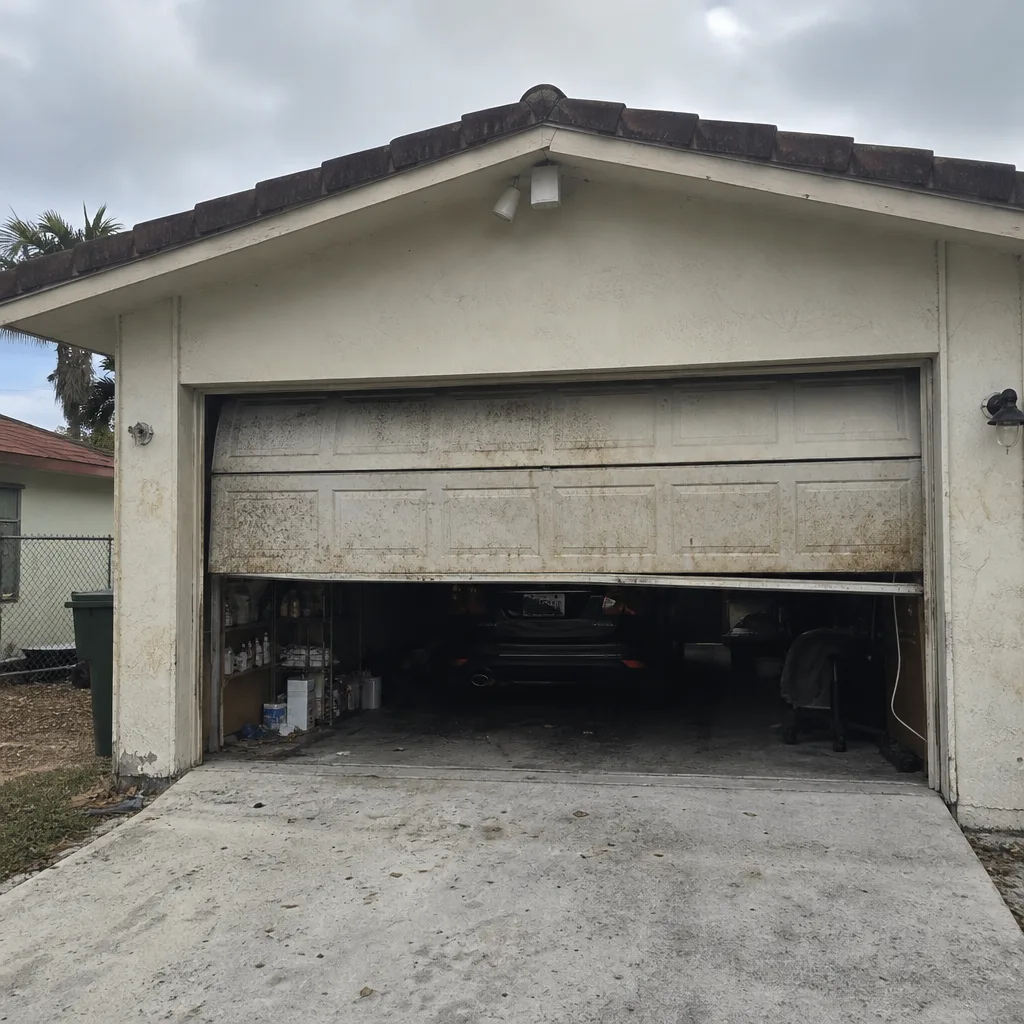 Before
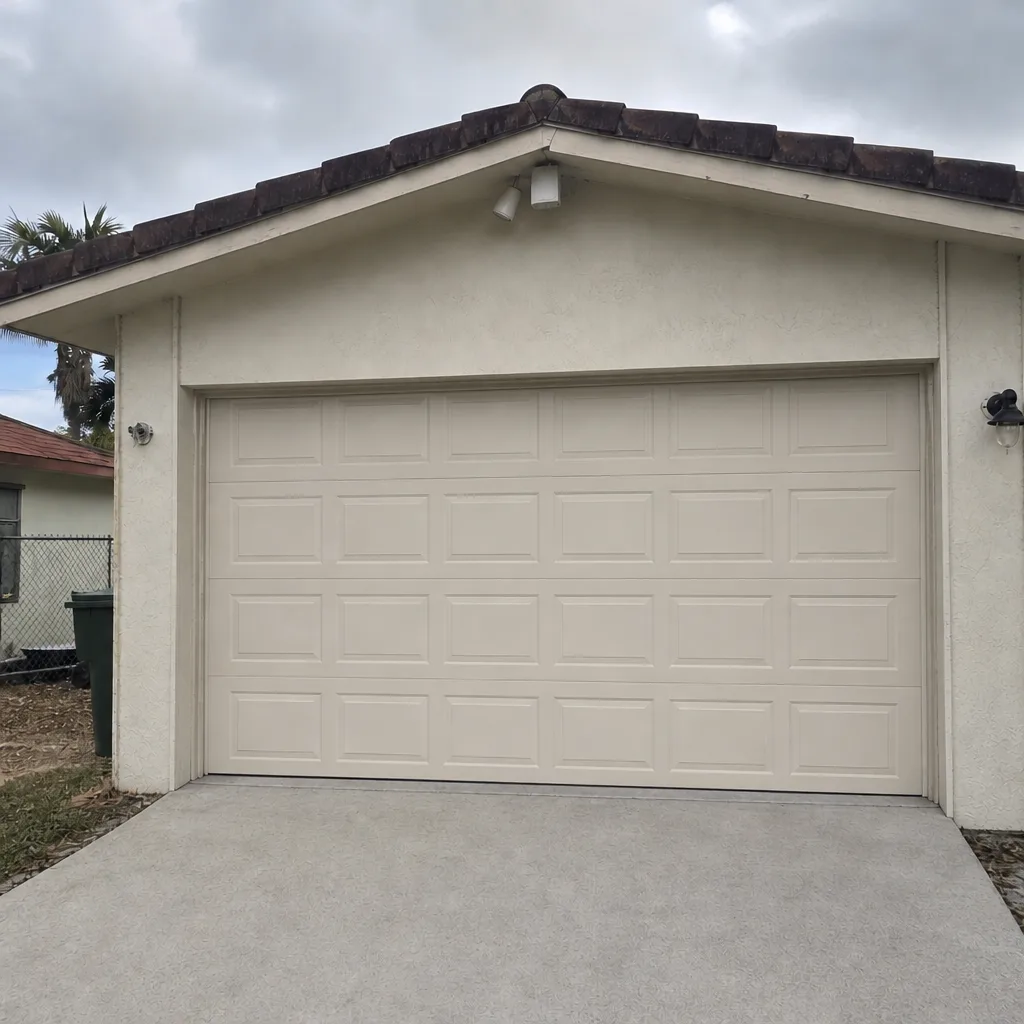 After
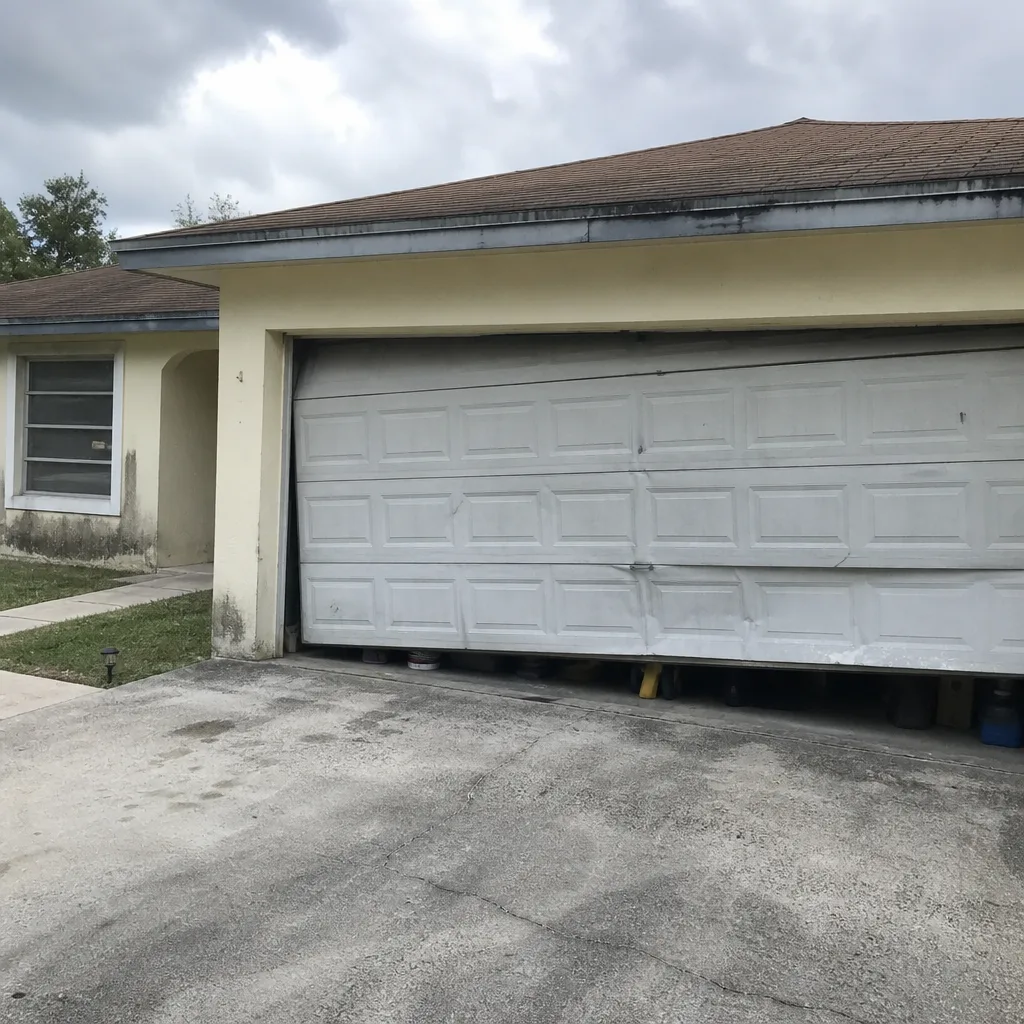 Before
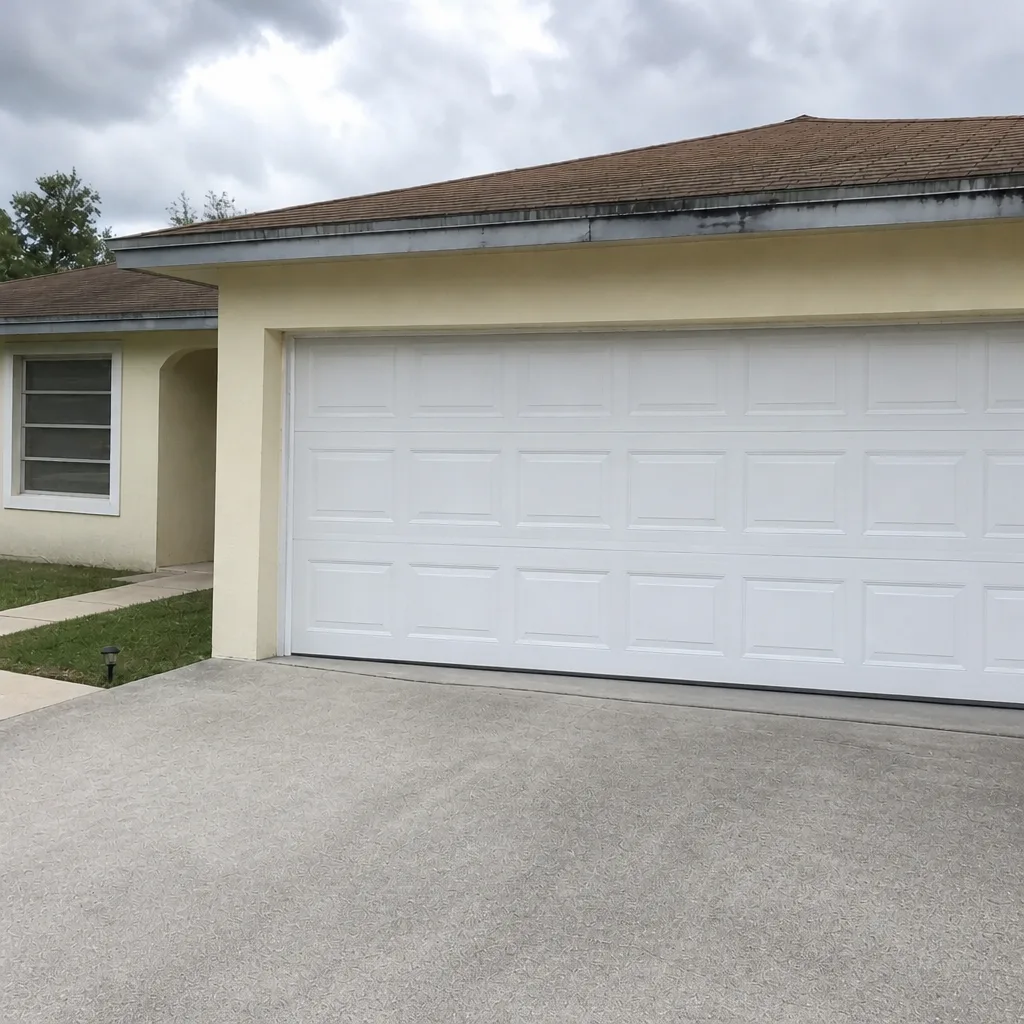 After
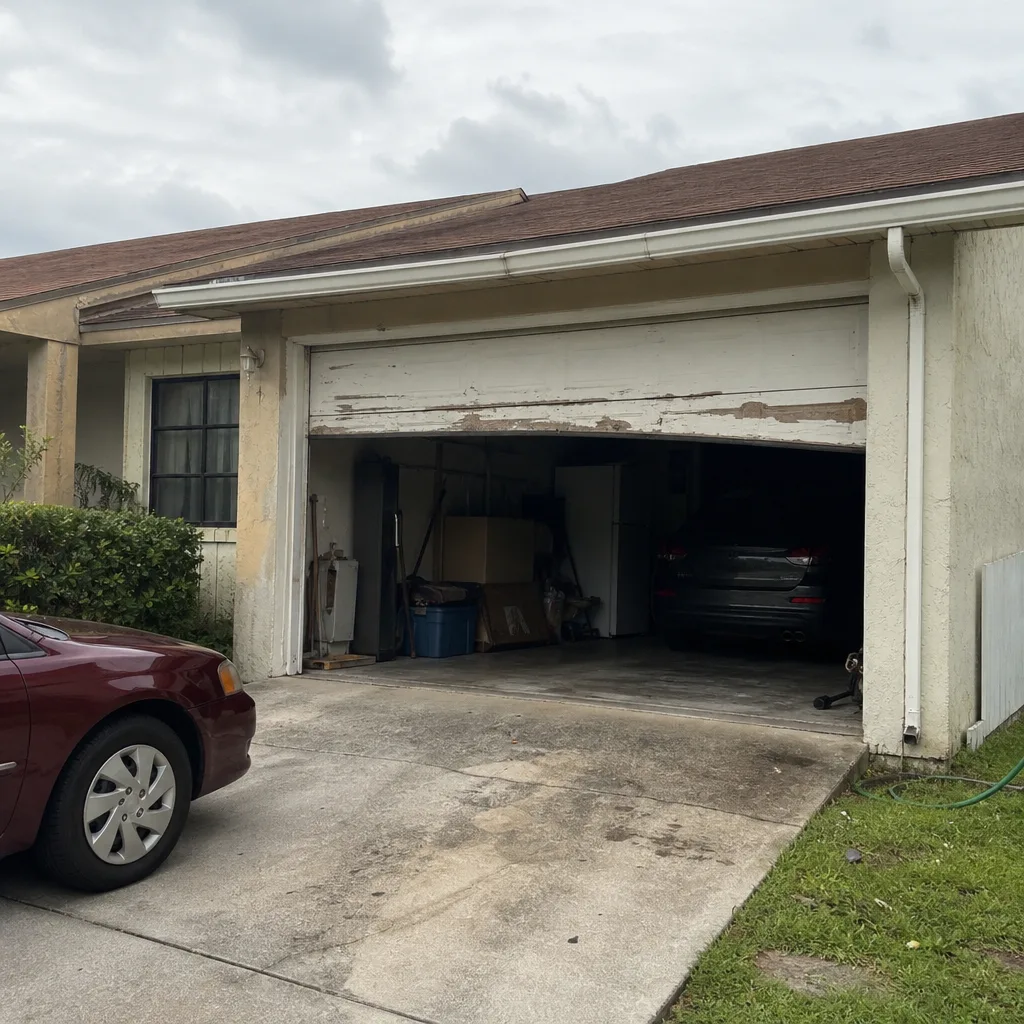 Before
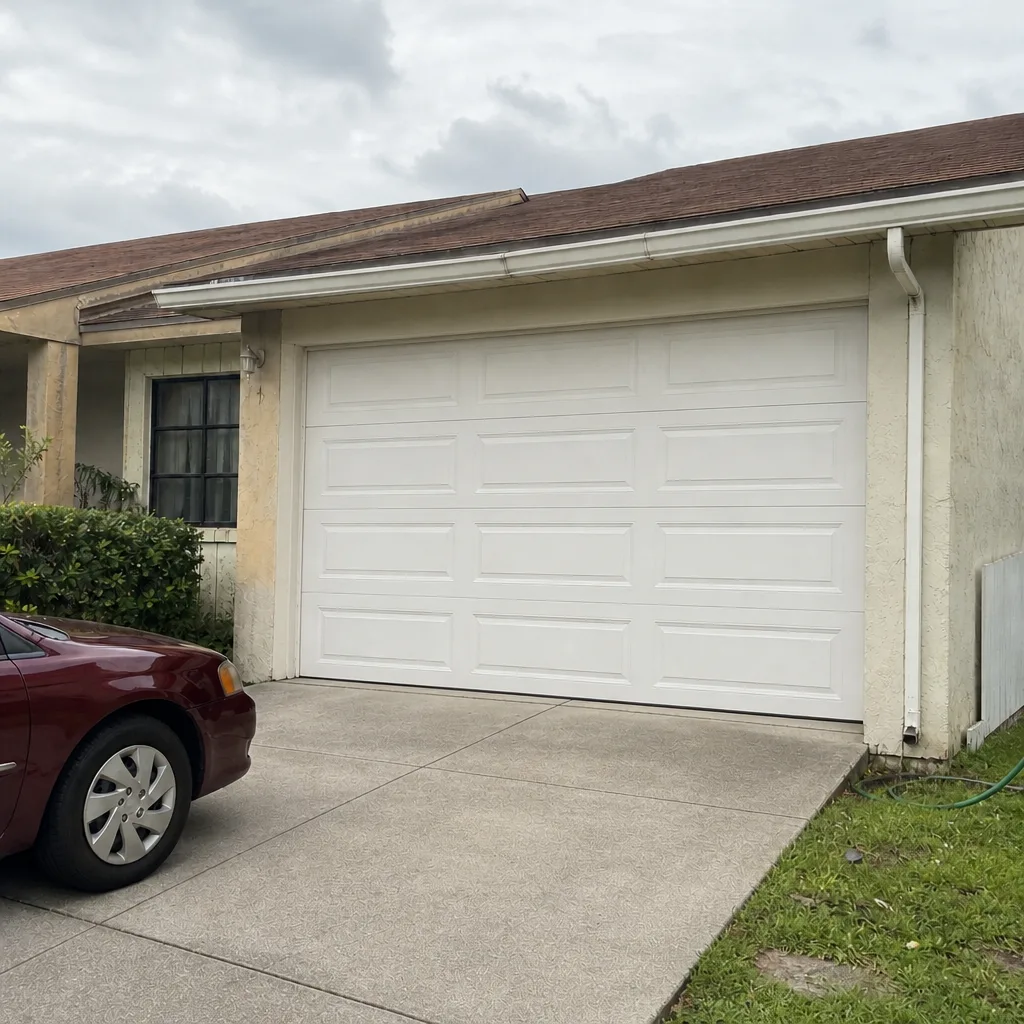 After
When to Call a Professional
Some things are homeowner-checks. Others are calls. If the door won’t come up or down at all, that’s a call – a door stuck open overnight is a security gap in Homestead, and a door stuck closed leaves the car stranded. If the spring is broken or the door won’t hold position when you lift it by hand, that’s also a call. Same for a bent track, a door that’s racked out of square after a storm, or an opener that reverses without contact. If a storm has left the door misaligned or visibly damaged, get a qualified look before anyone uses it again – an emergency door call is the right one, not a wait-and-see. And if your annual checks keep flagging the same issue, that’s a signal to stop patching and have someone look at the whole system.
Homestead Garage Door Repair Pros offers free estimates in Homestead. The printed estimate sets the price, and the price is agreed before any work starts, so there are no surprises when the work is done. Call (844) 497-0861. We answer 24/7. Fast dispatch from 7am to 7pm, Sunday through Friday, and we’re closed Saturday.
Frequently Asked Questions
Twice a year is the realistic minimum here, with one session in April or May before hurricane season starts and another in October or November as the wet season wraps up. That’s more than a lot of national advice recommends, and it’s because Homestead’s wet season and storm season overlap in ways that other climates don’t have. The two visits catch moisture issues before they become rust and re-set the opener’s sensitivity before the next transition.
Start in April and finish by the end of May. June 1 is the season start, and the door needs a full check of its balance, anchor bolts, bracing, track, and bottom seal before that date. If you find a problem, there’s still time to get it fixed before the season starts. Waiting until a storm is on the forecast leaves you with a tight window and a door that may already have issues.
That’s usually the opener’s sensitivity setting getting tighter as the metal contracts slightly with cooler temperatures. It’s common in the dry season, and it’s a small fix – a technician recalculates the sensitivity and travel limits and the door goes back to smooth running. If a fresh adjustment doesn’t solve it, the issue may be mechanical, such as binding in the track or a worn roller. Have it checked sooner rather than later.
Bottom seal replacement is one of the less risky jobs on the door, and many homeowners can handle it. Where it gets complicated is figuring out the correct seal for your door’s track and thresholds. Getting the wrong profile leaves a gap you’ll discover in the next rainstorm. If you’re not sure which seal fits, a technician can match it on sight. On a door that’s already had water intrusion, it’s worth having the whole bottom checked at the same time.
Check the alignment, test the auto-reverse, wipe down any wet metal, and look at the bottom seal for displacement. The 48-hour window matters because moisture that gets inside the garage after a storm does the most damage in the first couple of days. If the door is stuck or visibly out of alignment, leave the opener off and call a technician. Fast dispatch runs 7am to 7pm, Sunday through Friday, and you can reach us at (844) 497-0861. We answer 24/7.
If the door is stuck open, stuck closed and blocking your car, or visibly damaged after a storm, call for emergency service. If the door opens and closes but something feels off – a little noise, a slight hesitation – a standard appointment is fine. The line between the two is whether the door is safe to use and whether the garage is secure. When it’s stuck open in Homestead, that’s a call now, not next week.
The Bottom Line
Seasonal care in Homestead isn’t about preparing for winter, because there isn’t one to prepare for. It’s about timing: prepping for hurricanes in April and May, managing moisture through the wet season, recovering within 48 hours of any storm, and recalibrating for the dry months. The single best habit is checking the door before each season turns rather than waiting for something to break – especially the springs, anchor bolts, and bottom seal. Homestead Garage Door Repair Pros works on the brands you actually have, including Raynor, LiftMaster, Chamberlain, and Genie systems, and handles everything from a routine repair to a full replacement when it comes to that. For a free estimate, call (844) 497-0861. We answer 24/7. Fast dispatch from 7am to 7pm, Sunday through Friday, and we’re closed Saturday.
Written by the team at Homestead Garage Door Repair Pros.