
Last updated November 22, 2026
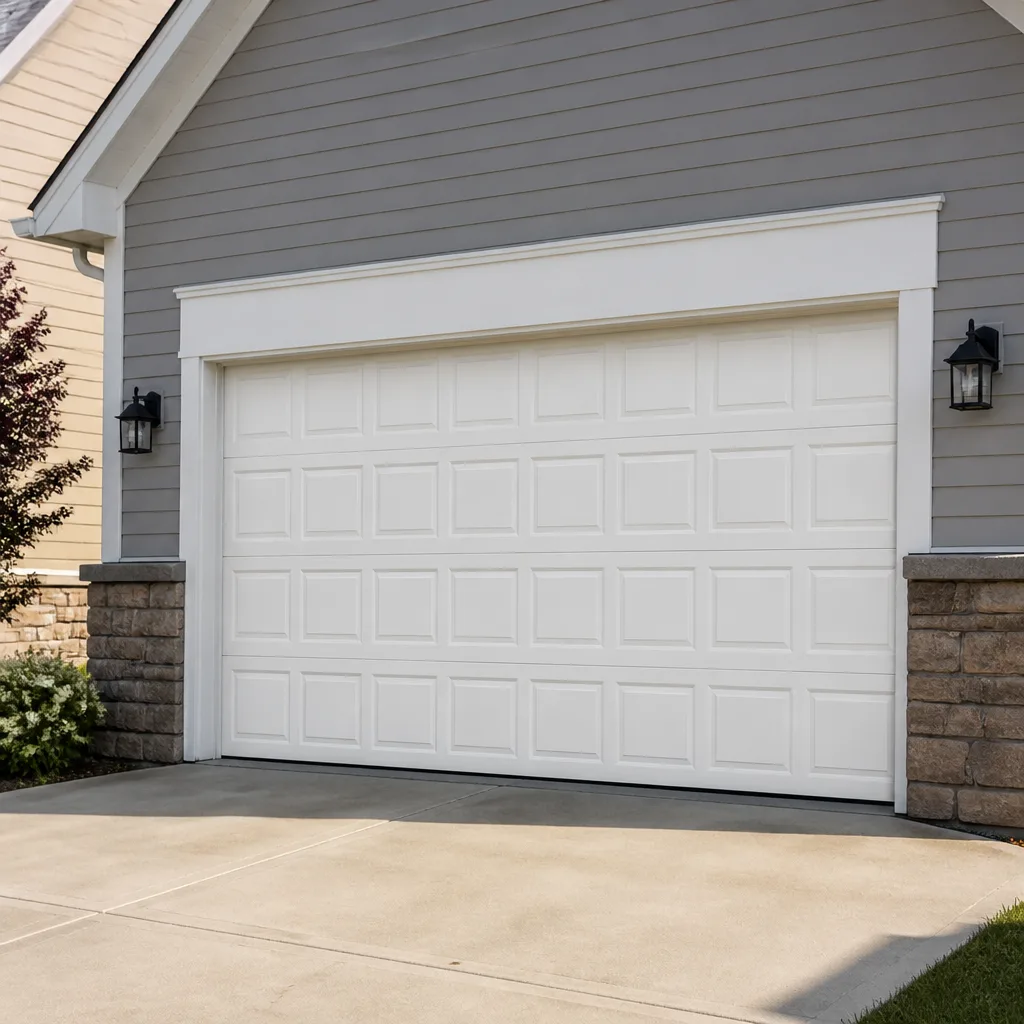 Raised-panel steel
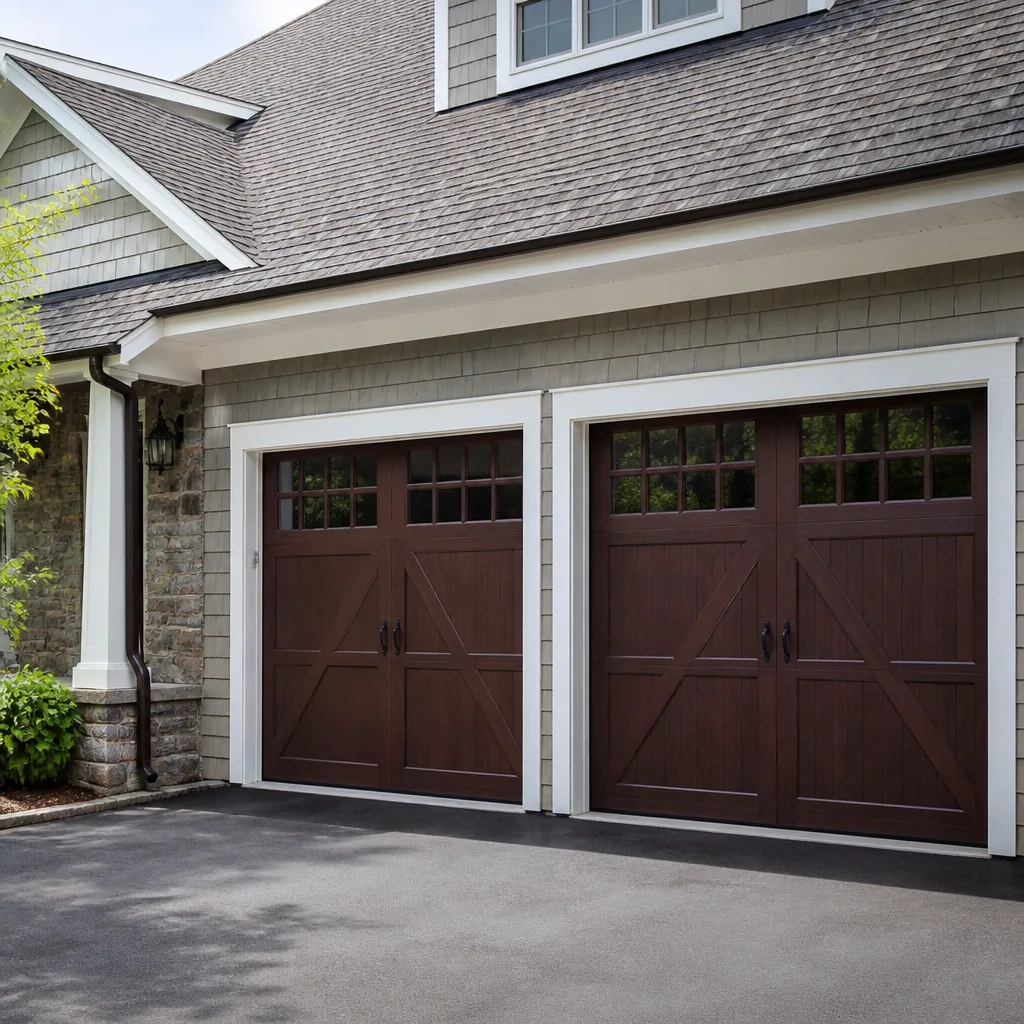 Carriage house
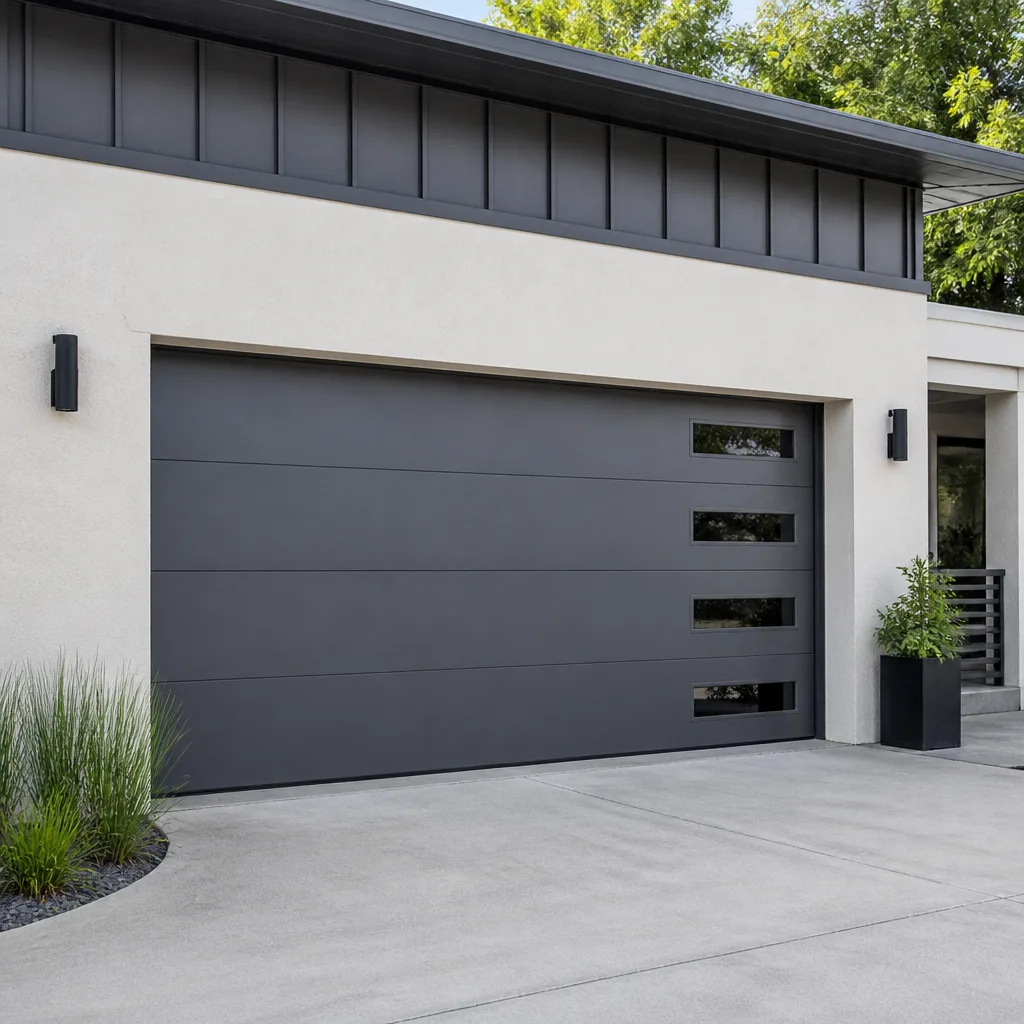 Modern flush
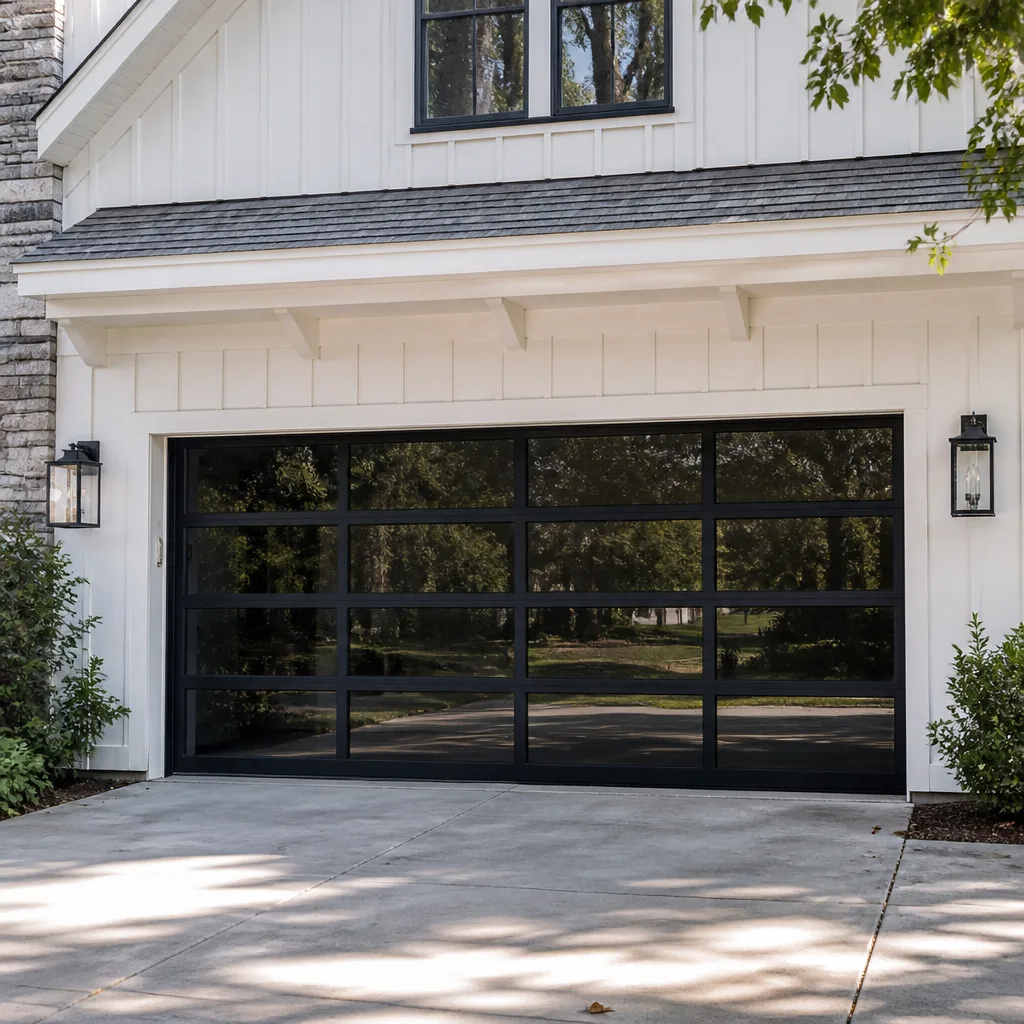 Full-view glass
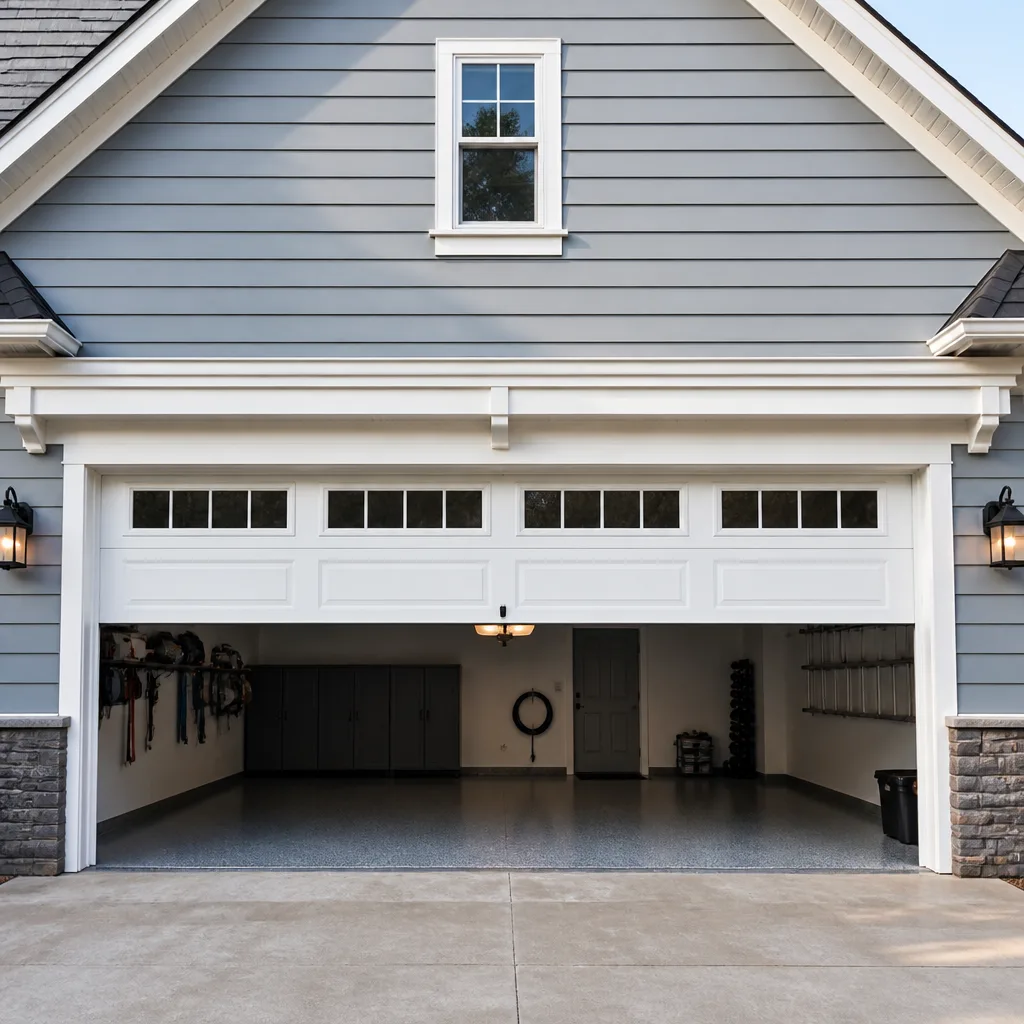 LiftMaster openers
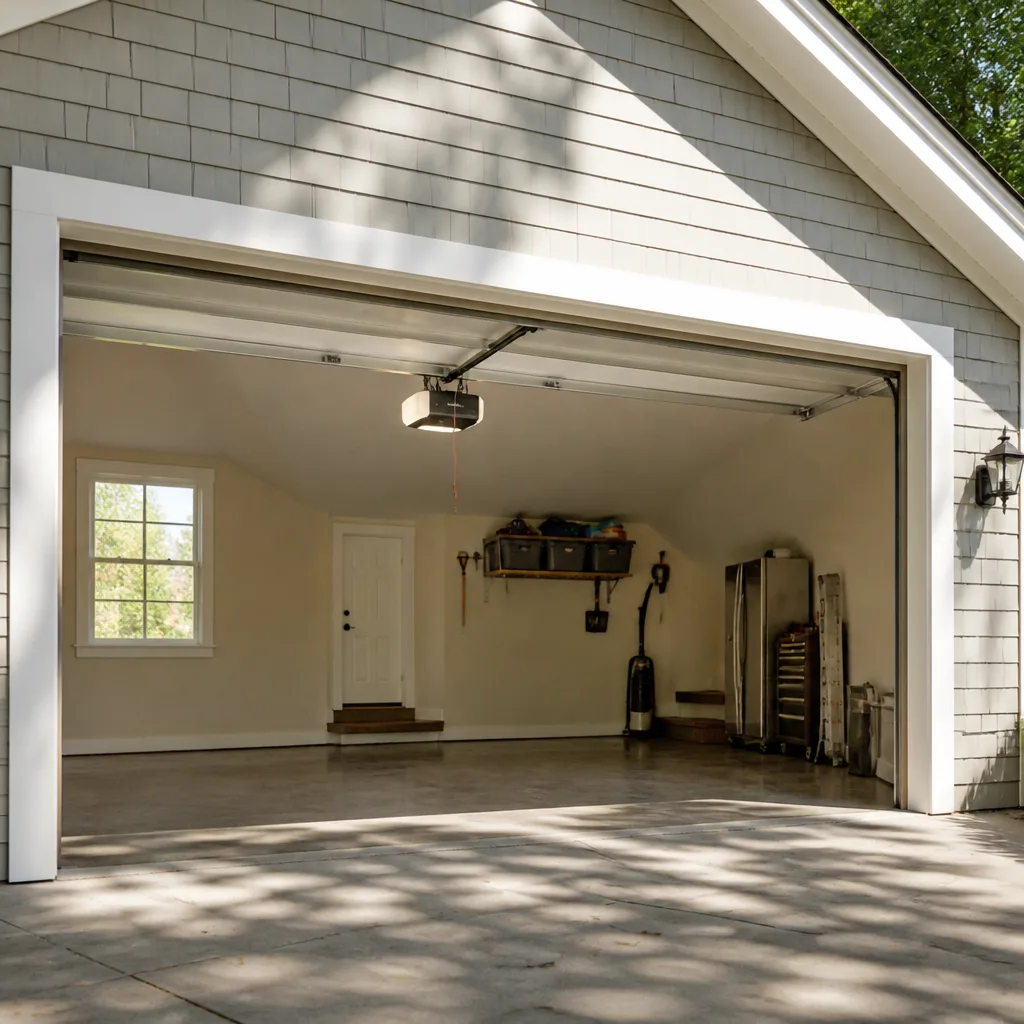 Chamberlain openers
Full 25-point door and opener safety check with every visit - springs, cables, rollers, tracks, and your LiftMaster or Chamberlain opener included
You get a price before we start. It does not change when the pro arrives.
Get your free estimateHow to Hire a Garage Door Contractor in Homestead: A Step-by-Step Guide
Most homeowners hire a garage door contractor by asking one question: “How much?” That’s the wrong first question. In Homestead, the more important question is whether the person quoting you can explain how your door is anchored, what product approval it carries, and who pulls the permit. Plenty of contractors can’t. A garage door in Miami-Dade County has to hold against wind the rest of the country never designs for, and after a big storm the market fills with people selling doors that don’t meet the code. This guide walks you through vetting a contractor properly, step by step, so you know what to check, what to ask, and what a written estimate must contain before you sign anything.
Quick Answer
Hiring a garage door contractor in Homestead means running two separate license checks (Florida state and Miami-Dade County), confirming the contractor understands product approval for wind-load rated doors, and getting a written estimate that lists model numbers, permit responsibility, and full scope. A contractor who can’t explain the approval process, won’t put specifics in writing, or shows up only after storms is a red flag, regardless of price.
Styles & brands we work with
- Raised-panel steel
- Carriage house
- Modern flush
- Full-view glass
- LiftMaster openers
- Chamberlain openers
Table of Contents
- Why Hiring a Garage Door Contractor in Homestead Is Different
- Step 1: Verify Both Florida and Miami-Dade Licensing
- Step 2: Understand Product Approval and Ask the Right Questions
- Step 3: Read the Written Estimate Like a Professional
- Step 4: Choose Between a Multi-Brand Specialist and a Single-Brand Dealer
- Step 5: Spot Post-Storm Contractor Red Flags
- Step 6: Ask These Questions Before You Sign
- What Garage Door Work Typically Costs in Homestead
Why Hiring a Garage Door Contractor in Homestead Is Different
Garage door work is regulated here in a way it isn’t in most of the country. Miami-Dade County operates its own product approval system, and any exterior door, including a garage door, is expected to hold to strict wind-load performance standards. That is a building-code reality of living in South Florida, not a manufacturer’s selling point.
What that means for you as a homeowner is simple: the person you hire has to understand more than springs and openers. They have to understand which doors are approved for your wind zone, how the door gets anchored to the framing, and what documentation the building department expects. A contractor who only knows how to bolt a panel up in a mild climate is out of their depth in Homestead.
The local housing stock adds another wrinkle. Homestead has a mix of newer construction and older homes, and garage door openings vary widely in how they were originally framed. Some doors are mounted to engineered headers that will take a rated door without trouble. Others need reinforcement work or a different anchoring approach to meet code. A good contractor checks this before quoting, not after the door arrives.
The climate matters too, in a quieter way. Heat and humidity don’t cause dramatic failures, but they do wear on springs, opener gears, and rollers over time. In our experience, doors here need maintenance attention sooner than doors in drier, cooler regions. When you hire, you’re not just buying an installation; you’re buying a relationship with someone who understands how equipment ages in this particular climate.
One more thing worth saying plainly: Homestead is a residential community first. Most garage door work here is for people’s homes, not loading docks. Ask any contractor you consider whether residential work is their core business, because commercial-focused companies often treat home service as an afterthought. Our whole operation is built around homeowners, and that shapes how we quote, how we schedule, and how we explain the work.
Step 1: Verify Both Florida and Miami-Dade Licensing
This is where most hiring guides stop, and it’s where most homeowners get caught. There are two checks, not one, and they are not the same check.
Check #1: Florida state license
Florida licenses contractors through the Department of Business and Professional Regulation. A legitimate garage door contractor should be able to tell you their license number and the category it falls under. You can look the number up yourself in the state’s online database. Don’t take a business card at face value.
Check #2: Miami-Dade local certification
Miami-Dade County requires its own certification for contractors working inside the county, and that’s separate from the state license. A contractor might hold a valid state license while still lacking the local certification needed to pull permits on a garage door project in Homestead. Ask directly whether they are certified to work in Miami-Dade. If the answer is vague or the subject gets changed, move on.
- Ask for the Florida license number in writing.
- Ask for the Miami-Dade certification, separately and specifically.
- Look both up yourself before any deposit changes hands.
- Confirm the contractor will be the one pulling the permit, and get that in the written estimate.
What we do as a company is connect you with independent local professionals. The local pro who performs your work is licensed and insured as their state requires. That’s a standard worth verifying on your own every time, and a contractor should never be annoyed by the question. It’s a sign you’re a careful customer, which is exactly the kind of customer good contractors want.
One related question to ask: “Who pulls the permit?” In Miami-Dade, garage door replacements generally require permitting. If a contractor offers to skip the permit to save time or money, that’s a problem. An unpermitted door can cause trouble when you sell the home or when your insurer asks questions after a storm. Ask your city’s building department about the specific permit requirement for your address; that agency is the authority, not the contractor.
Step 2: Understand Product Approval and Ask the Right Questions
Product approval, often referred to as NOA, is the document trail showing that a specific garage door product has been tested and approved for use under Miami-Dade’s wind-load requirements. This is the piece most homeowner hiring guides skip entirely, which is exactly why unqualified contractors find customers so easily.
You don’t need to read an NOA yourself in detail. You do need to know how to tell whether your contractor actually understands them, because a contractor who does will answer these questions calmly and specifically.
- “Which product approval number applies to the door you’re recommending?” A qualified contractor can point to the specific approval for the door and window opening size.
- “How does the anchoring work on my opening?” A real answer involves the framing, the track, and the fasteners, not a shrug.
- “What’s the design pressure for my wind zone, and does this door meet it?” Any contractor who can’t discuss design pressure in general terms is not qualified to install a rated door in Homestead.
- “Will you provide the approval documentation to me and to the building department?” The paperwork should be part of the job, not an extra.
- “Does the opener and all hardware match the door’s rating?” Approval covers the whole assembly, not just the panels.
A contractor who can’t explain product approval is a red flag. Not because every homeowner needs to be an expert, but because a working contractor deals with these documents on every installation. Fumbling the question means either they don’t do compliant installs or they’re hoping you won’t ask. Either way, keep looking.
This is also where brand familiarity earns its keep. Different manufacturers package approval documentation differently, and a technician who works regularly across Clopay, Amarr, Raynor, and other major brands knows the paperwork trail for each. You can read more about how we handle garage door installation if you want the service-level detail, but the vetting point is this: familiarity with many brands usually means familiarity with many approval packages too.
Step 3: Read the Written Estimate Like a Professional
A legitimate written estimate in Florida is not a text message with a number. It’s a document that protects you. Here’s what it must include to be worth anything.
- Scope of work in plain language: what’s being removed, what’s being installed, and what’s being repaired. “Replace door” is not a scope; “remove and dispose of existing 16×7 door, install [model number] with tracks, springs, and hardware” is.
- Materials with model numbers: not just “a Clopay door” but the specific model and size. Vague materials language lets a contractor swap in something cheaper once the deposit is in.
- Product approval and design pressure documentation: which approval number applies, and who provides it.
- Permit responsibility: who pulls the permit and who pays the fee. This should be explicit, not implied.
- Opener details if included: if a LiftMaster opener is part of the job, list the model. Opener work is its own skill set, and we cover it separately in garage door opener repair, but the estimate should still spell out the model.
- Timeline and payment terms: when work starts, when the door is expected to be on site, and when payments are due. A large deposit before any material is ordered is a warning sign.
- Warranty terms in writing: manufacturer warranty on the product and what the contractor covers on labor. Put both on paper.
Here’s the test to apply: could a stranger read this estimate and know exactly what’s being installed and who is responsible for what? If not, ask for a revised version. A contractor who resists putting specifics in writing is telling you something.
One more point. Estimates should be free. You should not be paying for the privilege of receiving a quote. If a company charges for an estimate on a garage door project, that’s a strong signal to look elsewhere.
Step 4: Choose Between a Multi-Brand Specialist and a Single-Brand Dealer
Both models exist, and both can serve you well, but they suit different situations. Knowing which you’re dealing with helps you ask the right questions.
A multi-brand specialist
A specialist who works across multiple brands (say, Craftsman, Raynor, LiftMaster, and others) tends to be the right choice when you’re not sure what’s on your door, when the failure is a mid-project emergency, or when you want repair rather than a sales cycle. They arrive prepared for whatever’s already installed, which matters when the door is old and the brand’s not obvious. Our own position is here: we work across eight major brands, and that breadth is deliberate. It means homeowners get help without chasing three contractors.
A single-brand dealer
Authorized dealers of a specific brand can be a good choice when you’ve already decided on that brand and want the manufacturer-backed warranty process. The trade-off is flexibility. If the diagnosis changes (say, the door is fine but an opener is failing), you may need a different specialist.
The right call usually depends on what kind of problem you have. For replacing a door with a brand you’ve chosen, a dealer is fine. For anything else (a stuck door, a broken spring, an opener that’s dead), a multi-brand specialist with a full service menu is usually the more practical hire. Our view is that a home’s garage door system evolves, and you want a company that can follow that evolution rather than hand you off.
Step 5: Spot Post-Storm Contractor Red Flags
After a major storm, the market in South Florida changes quickly. Legitimate contractors get busy, and unqualified outfits move in to meet the demand. There’s a well-documented pattern of storm-chasing contractors collecting deposits and leaving homeowners with non-compliant doors, or no door at all. You don’t need a horror story to take this seriously; you just need to know the signals.
- Out-of-state plates on every vehicle: not automatically suspicious, but combined with other signals it’s worth probing. Ask where the crew is working from this week.
- No physical business address: you should be able to visit a business address, not just a P.O. box. Ask for it and check that it’s real.
- Cash-only payment demands: legitimate contractors take checks and cards and issue receipts. A cash-only, no-receipt arrangement leaves you with no paper trail if the work is wrong.
- Pressure to sign today: storms create real urgency, but a contractor creating *artificial* urgency (“this price is only good today”) is usually doing so to keep you from comparing quotes.
- No permit, no approval: any contractor who offers to skip the permit or “not worry about” product approval is telling you they don’t intend to install a compliant door.
- Full deposit up front: large deposits before material is ordered are a classic storm-scam pattern. A fair schedule ties payments to work completed.
The general rule is simple: verify the address, verify the license, verify the permit plan, and don’t let urgency push you past those checks. Most of Homestead is a small enough market that a contractor who won’t answer these questions has something to hide. You can read more about how we approach urgent jobs through our garage door repair service, but the vetting process applies to every contractor, including us.
Step 6: Ask These Questions Before You Sign
Interview contractors with a short, fixed question list. Compare answers side by side. Here’s the list we recommend.
- What is your Florida license number, and what is your Miami-Dade certification? Write them down and check them yourself.
- What product approval applies to my door opening, and how do you know? The answer should reference the opening size and the specific approval.
- Who pulls the permit, and who pays for it? The answer belongs in the written estimate.
- What brands do you work with? A multi-brand answer suggests real range. A single-brand answer is fine if you’ve already chosen the brand.
- What’s included in the written estimate? Push for scope, models, permit, and warranty on paper.
- How will you dispose of the old door and materials? Legitimate contractors handle disposal; it’s part of the scope.
- What happens if the door needs reinforcement work once you’re on site? A good answer involves a revised written estimate before any work begins, not a surprise invoice later.
- Is there a warranty, and what does it cover? Product and labor warranties are separate; both should be on the estimate.
That last point about price changes deserves its own line: the price is quoted and agreed before any work starts. Small discoveries happen on any job, and what separates a fair contractor is that they pause, tell you what changed, and get your approval on a revised written price before proceeding. That’s the standard you should expect from anyone you hire in Homestead.
What Garage Door Work Typically Costs in Homestead
Exact pricing depends on the door, the opening, and the work itself, so any honest number is a range. We give written estimates per job, and the written estimate sets the final price. What follows is a typical range, not a quote.
- Garage door spring repair (single spring): typically $180 – $340 per spring. Matched pairs are usually replaced together, so a pair runs roughly twice a single spring.
- Opener repair: typically varies depending on whether the issue is the motor, the logic board, or the safety sensors. A written diagnosis is what sets the number.
- Panel replacement or section repair: depends on the brand and model. Multi-brand familiarity here means technicians can match panels on Clopay, Amarr, and other major brands without a special order in most cases.
- Full door replacement: depends on the size and the wind-load rating required for your opening. Rated doors cost more than unrated doors, which is why not all quotes are comparable.
One reason the ranges matter: cheap quotes on garage doors in Homestead are often cheap because something’s missing. It might be the permit, the product approval, or proper anchoring. When you compare quotes, compare scope line by line rather than bottom line. You can see the full range of spring service at garage door spring repair if you want service-level detail.
For a formal estimate, call (844) 497-0861. We answer 24/7, and estimates are free. The written estimate is the price; there’s no difference between what’s quoted and what’s invoiced once the job is agreed.
Common Mistakes to Avoid
- Only checking the state license. Plenty of contractors carry a clean Florida license and still lack the Miami-Dade certification required to pull permits on a garage door project in Homestead. Check both.
- Accepting a quote without model numbers. A written estimate without product models is an estimate to swap in whatever’s cheapest. Ask for the specific door, size, opener, and approval number.
- Letting the contractor skip the permit. A faster job isn’t worth an unpermitted door. If a contractor offers to skip the paperwork, that’s the reason to look elsewhere.
- Choosing on bottom-line price alone. A cheap quote that doesn’t include product approval or proper anchoring isn’t a cheaper job; it’s a smaller scope of work dressed up as a bargain.
- Rushing to hire during the first days after a storm. Urgency is real when a door is broken, but the vetting steps still matter. A quick call to verify the license takes five minutes.
- Assuming brand matters more than contractor skill. A Craftsman door installed poorly fails faster than a modest door installed well. The installer’s anchoring and permit process count for more than the brand name on the panel.
- Not asking what happens if extra work is needed. Small discoveries are normal. What you want is a contractor who pauses, prices the change in writing, and lets you decide before doing any of it.
See the difference
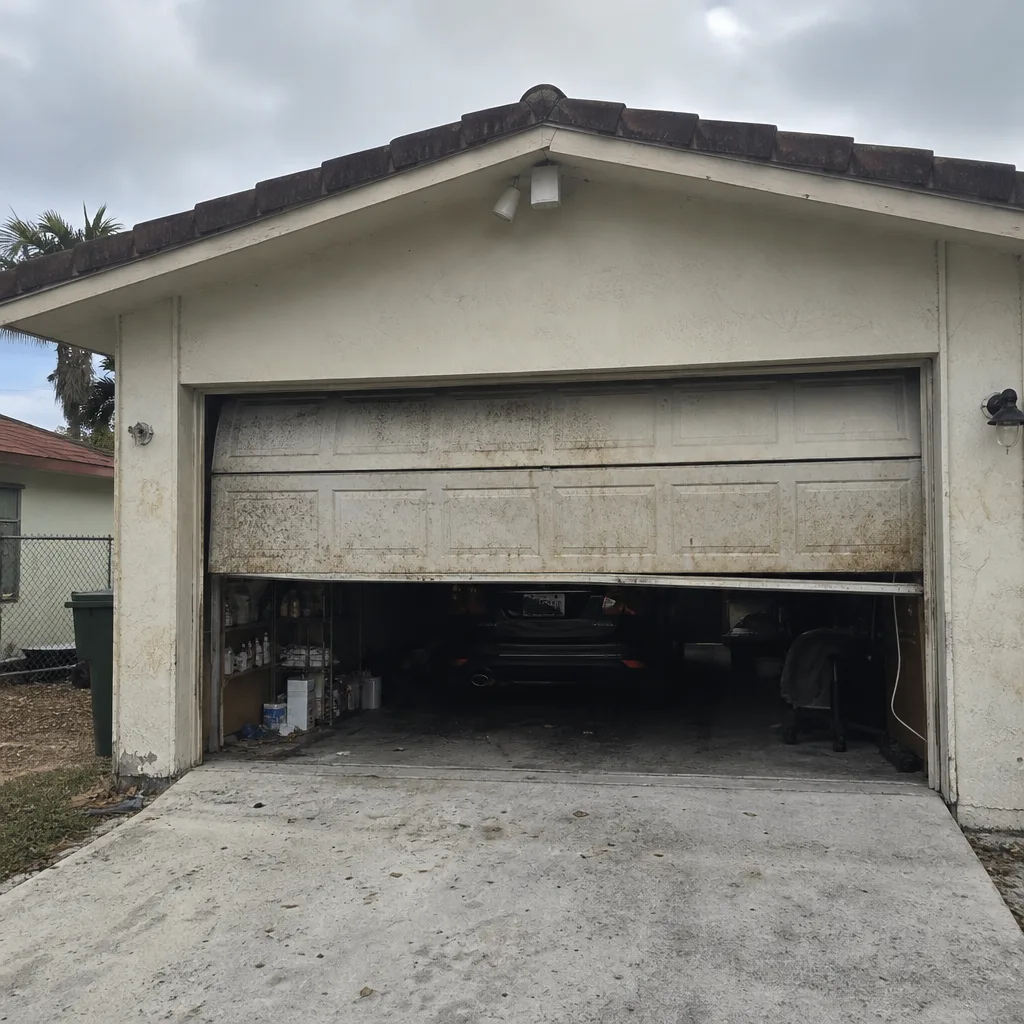 Before
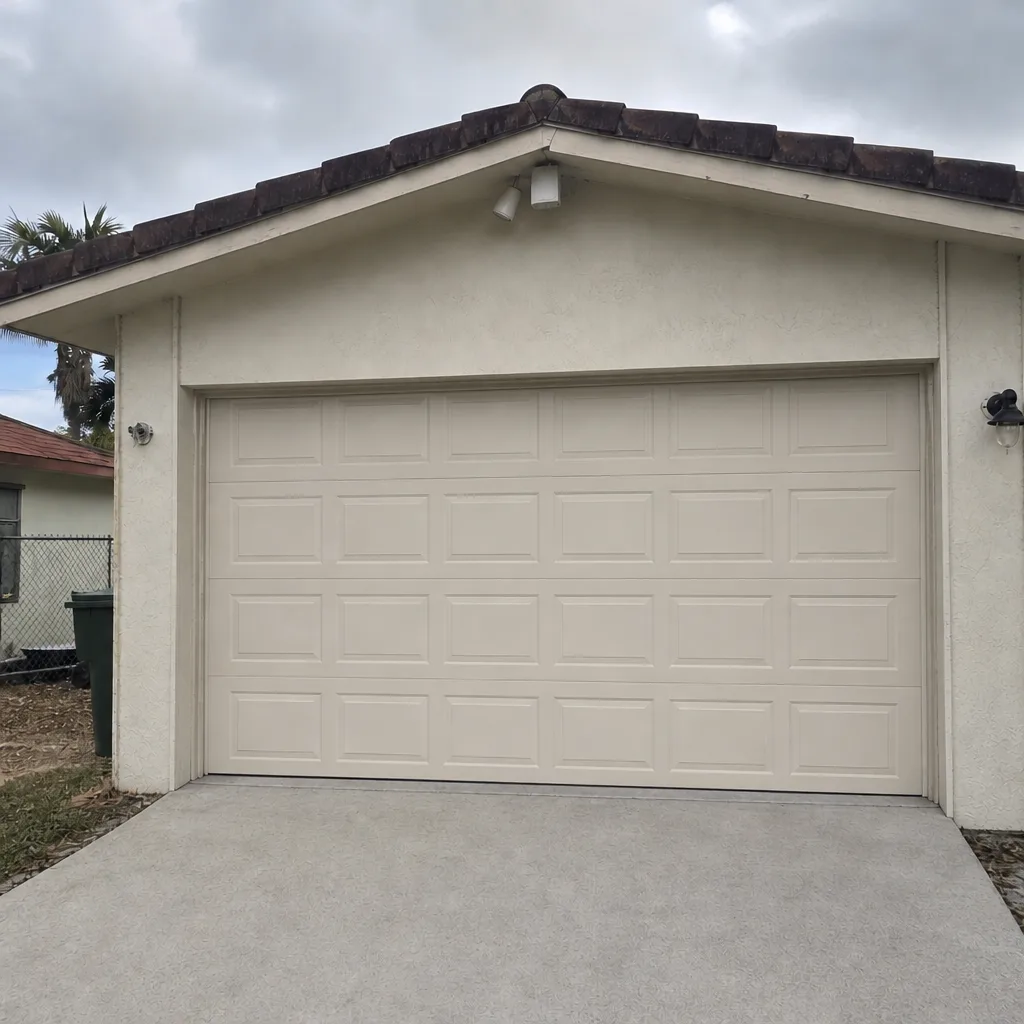 After
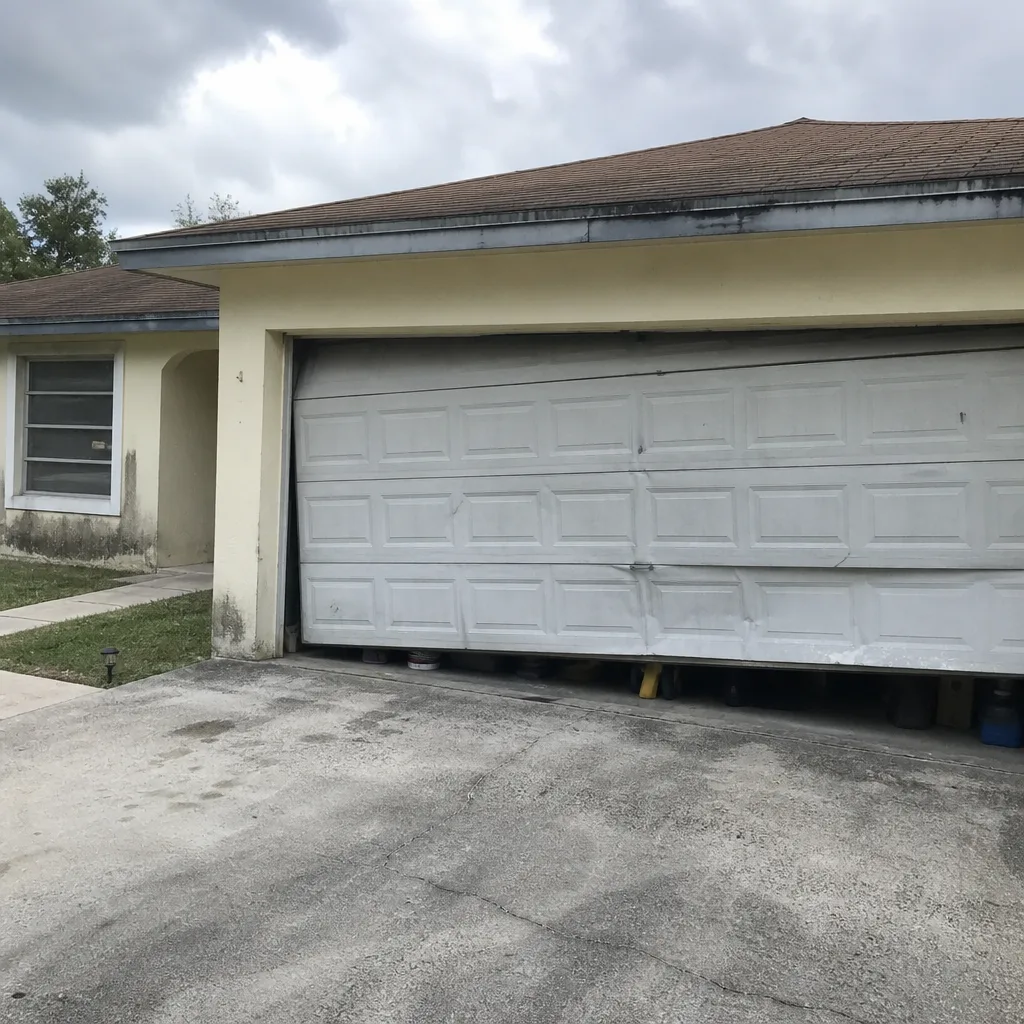 Before
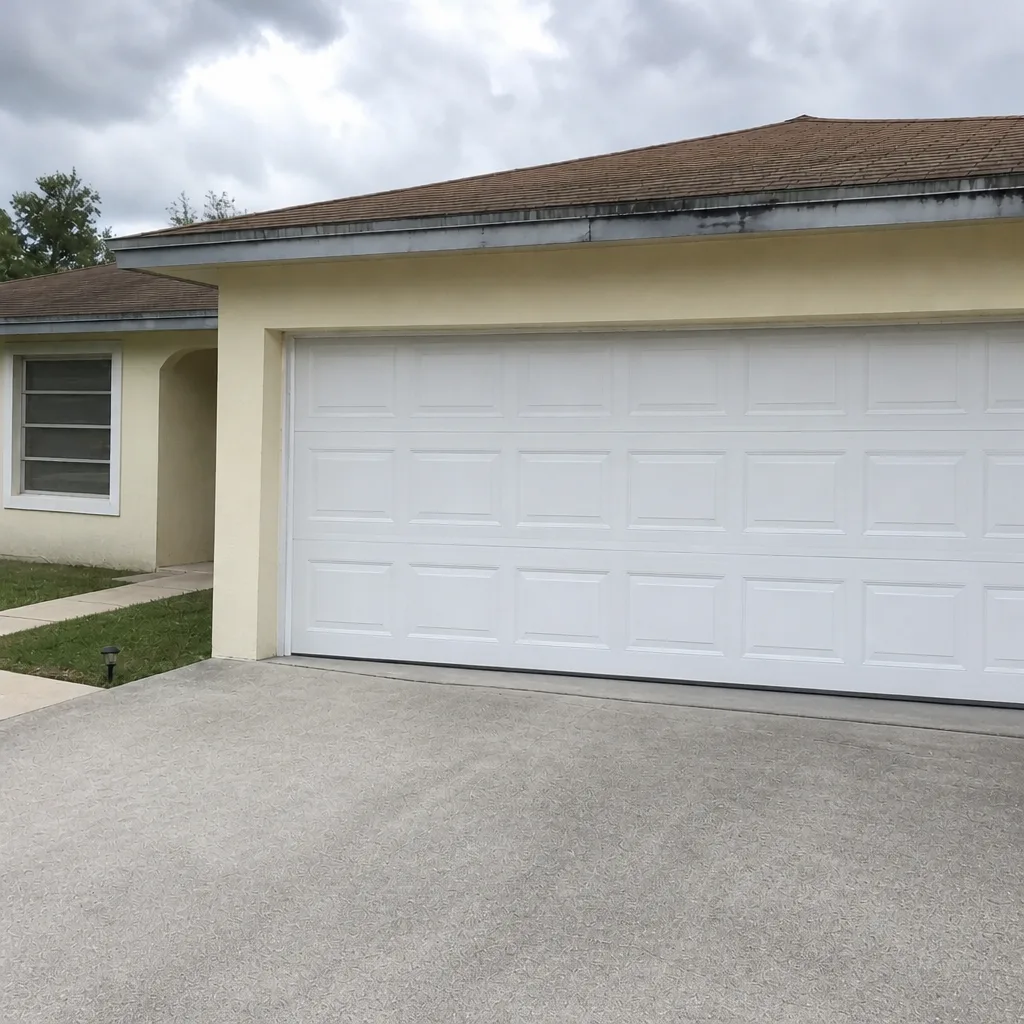 After
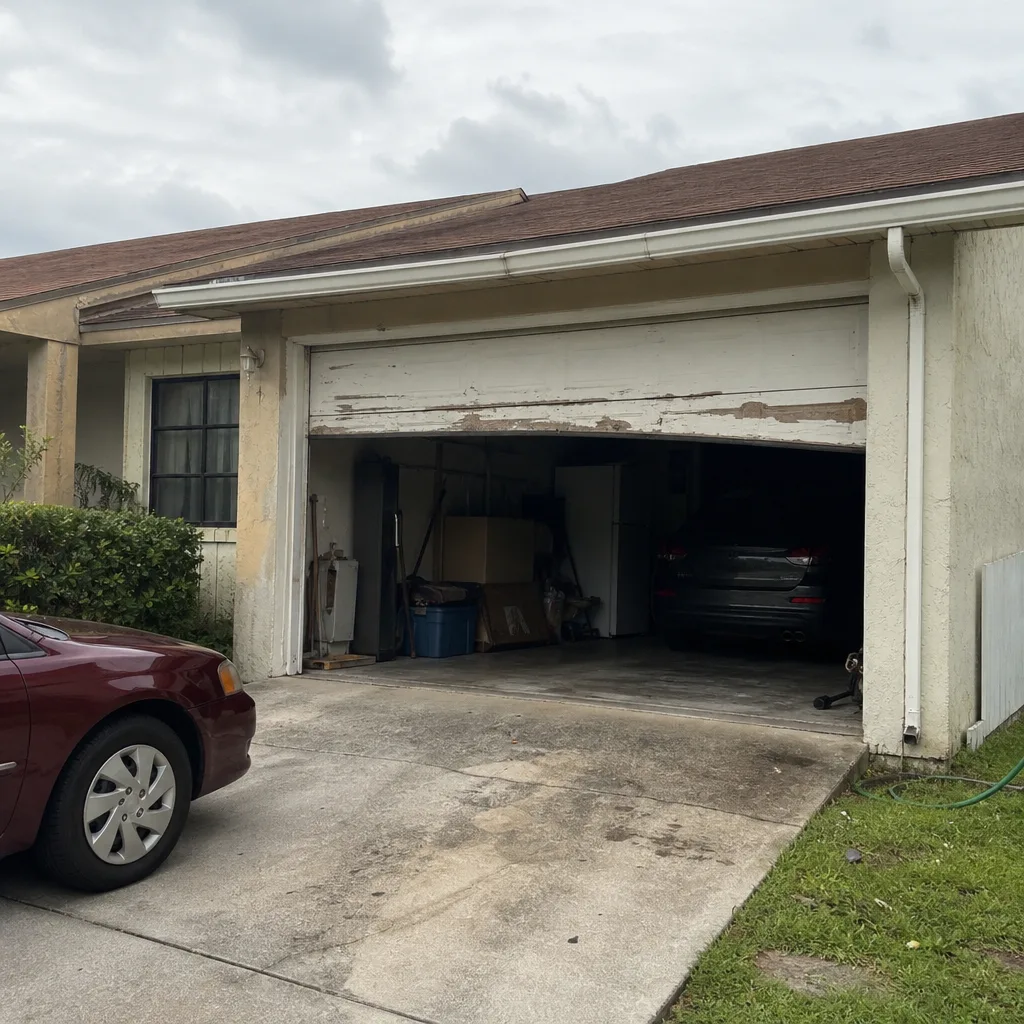 Before
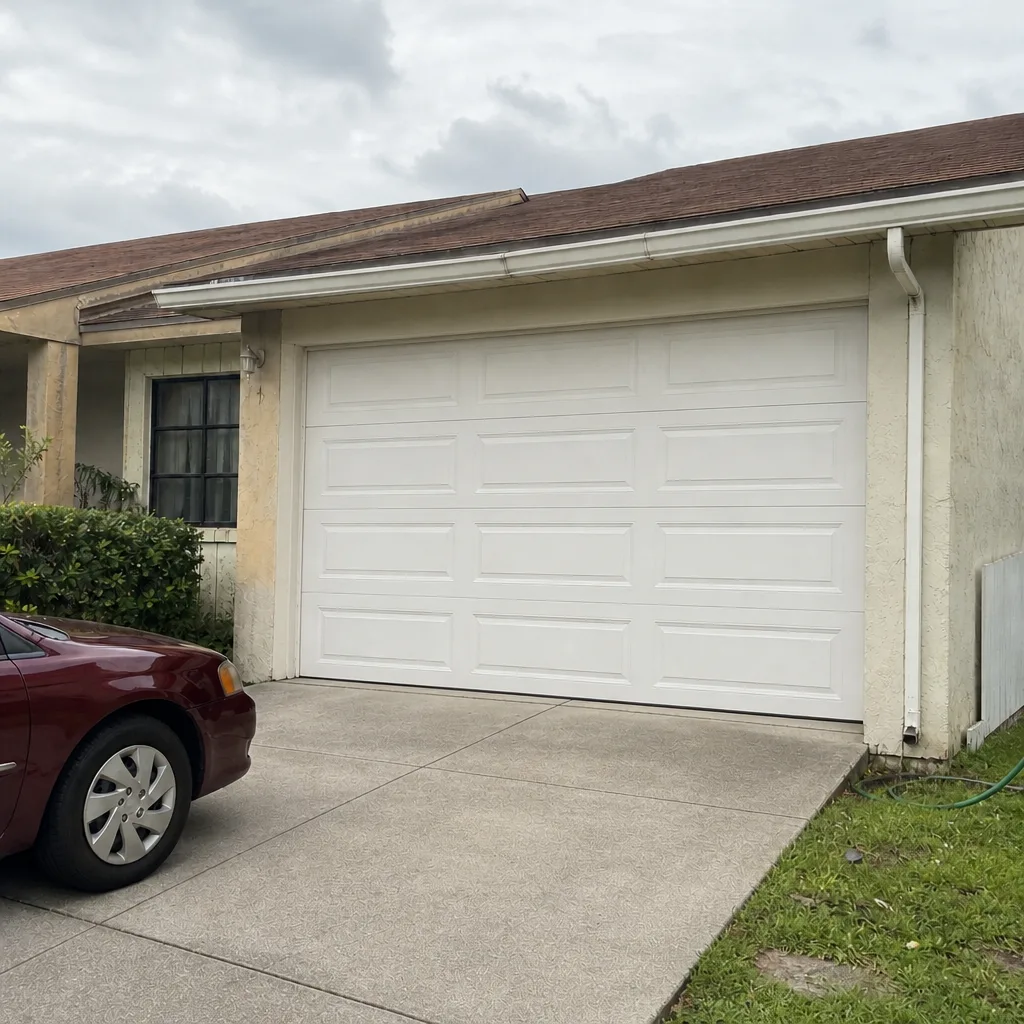 After
When to Call a Professional
Some garage door problems are genuinely DIY territory: an opener that needs a fresh battery, a sensor that needs alignment, a roller that’s stuck on a track. Others are not, and the difference matters for your safety.
Springs and cables are the clearest example. High-tension springs and the cables attached to them store enormous energy, and they can cause serious injury if handled incorrectly. Never try to release or adjust a spring or cable on your own. If a door won’t open, won’t close, comes off the track, or drops suddenly, that’s a call to a trained technician, not a weekend project.
The same applies to anything that your door’s structural rating depends on. A bent track, a sagging panel, broken hinges, or an opener that’s fighting the door are all signs that the assembly needs professional attention. If the door won’t close all the way, the security gap it creates is a reason to call sooner, not later.
Homestead Garage Door Repair Pros offers free estimates in Homestead, and our technicians have up to 9 years of experience across eight major brands. Call (844) 497-0861. We answer 24/7, and fast dispatch runs from 7am to 7pm, Sunday through Friday.
Frequently Asked Questions
Yes. Florida state licensing and Miami-Dade County certification are separate, and a contractor can hold one without the other. Ask for both, verify both yourself, and confirm the contractor is certified to pull permits in Miami-Dade before you sign. Call (844) 497-0861 if you want to talk through a contractor vetting question.
Product approval (often called NOA) is the documentation that shows a specific garage door product has been tested and approved for Miami-Dade’s wind-load requirements. If your contractor can’t explain which approval applies to your opening, that’s a red flag. Call (844) 497-0861 to talk through what approval your door needs.
Spring repair typically runs about $180 – $340 per single spring. Matched pairs are usually replaced together, so a pair is roughly twice that. The written estimate sets the final price. Call (844) 497-0861 for an exact quote; estimates are free.
Same-day service is often possible for repair and emergency work. We answer 24/7, and fast dispatch runs from 7am to 7pm, Sunday through Friday. A call outside dispatch hours is booked into the next opening. Call (844) 497-0861 to check availability for your address.
Neither is better in every case. A single-brand dealer is the right choice when you’ve already chosen that brand and want the manufacturer’s warranty process. A multi-brand specialist is more flexible for repairs, emergencies, and situations where the door’s brand isn’t obvious. Call (844) 497-0861 if you’re not sure which fits your situation.
No. The price is quoted and agreed before any work starts, and the written estimate sets the price. If a job reveals something unexpected once the door is opened up, we pause and issue a revised written estimate before doing any of that work. Call (844) 497-0861 for a free estimate.
The Bottom Line
Hiring a garage door contractor in Homestead is a two-part process: check the licensing first, then check the paperwork. Florida license plus Miami-Dade certification is the baseline. An estimate with model numbers, product approval references, and permit responsibility comes next. Multi-brand capability is a practical advantage for anything other than a brand-specific new-door install. And post-storm, the vetting rules get stricter, not looser. If a contractor skips the license check, offers to skip the permit, or won’t explain product approval, you’ve learned enough. A well-qualified contractor will welcome the questions, and in Homestead there are good ones to choose from. For a free estimate, a loaner quote you can compare against others, or a walkthrough of what a compliant install looks like, we’re glad to help.
Call (844) 497-0861. We answer 24/7, and fast dispatch runs from 7am to 7pm, Sunday through Friday. If a door fails and you’re not sure it’s a repair or a replacement, a free written estimate is the fastest way to know. You can also start with Homestead Garage Door Repair Pros if you want the full picture of what we handle, and see how we think about combining repair and installation under one roof.
Written by the team at Homestead Garage Door Repair Pros.