
Last updated November 22, 2026
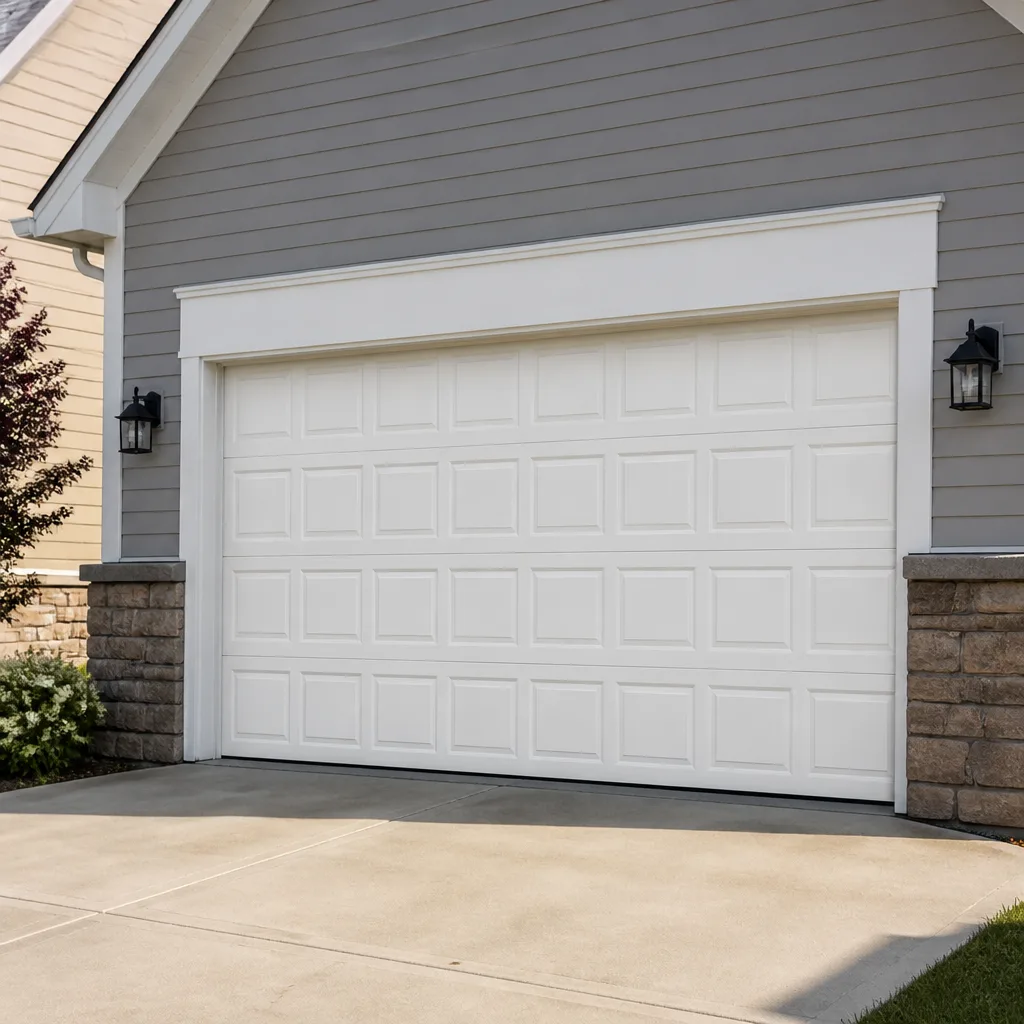 Raised-panel steel
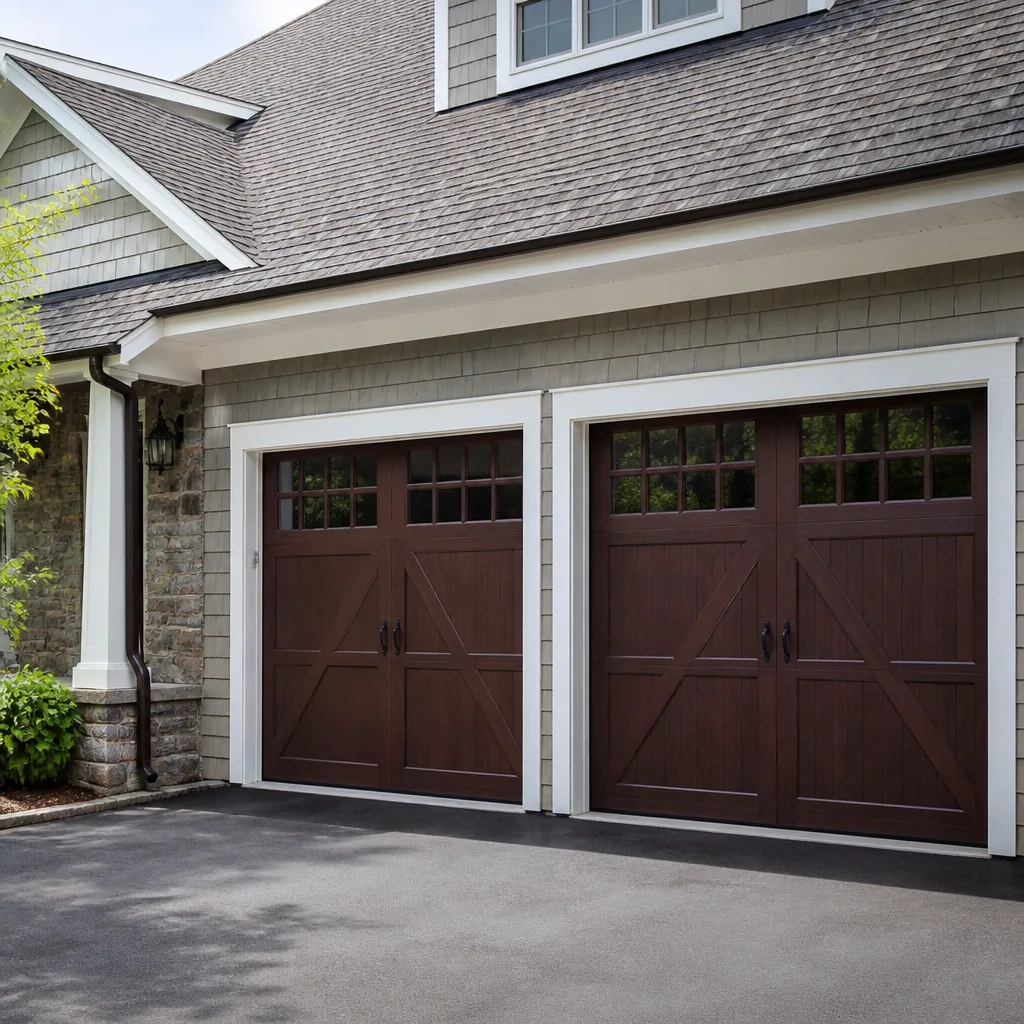 Carriage house
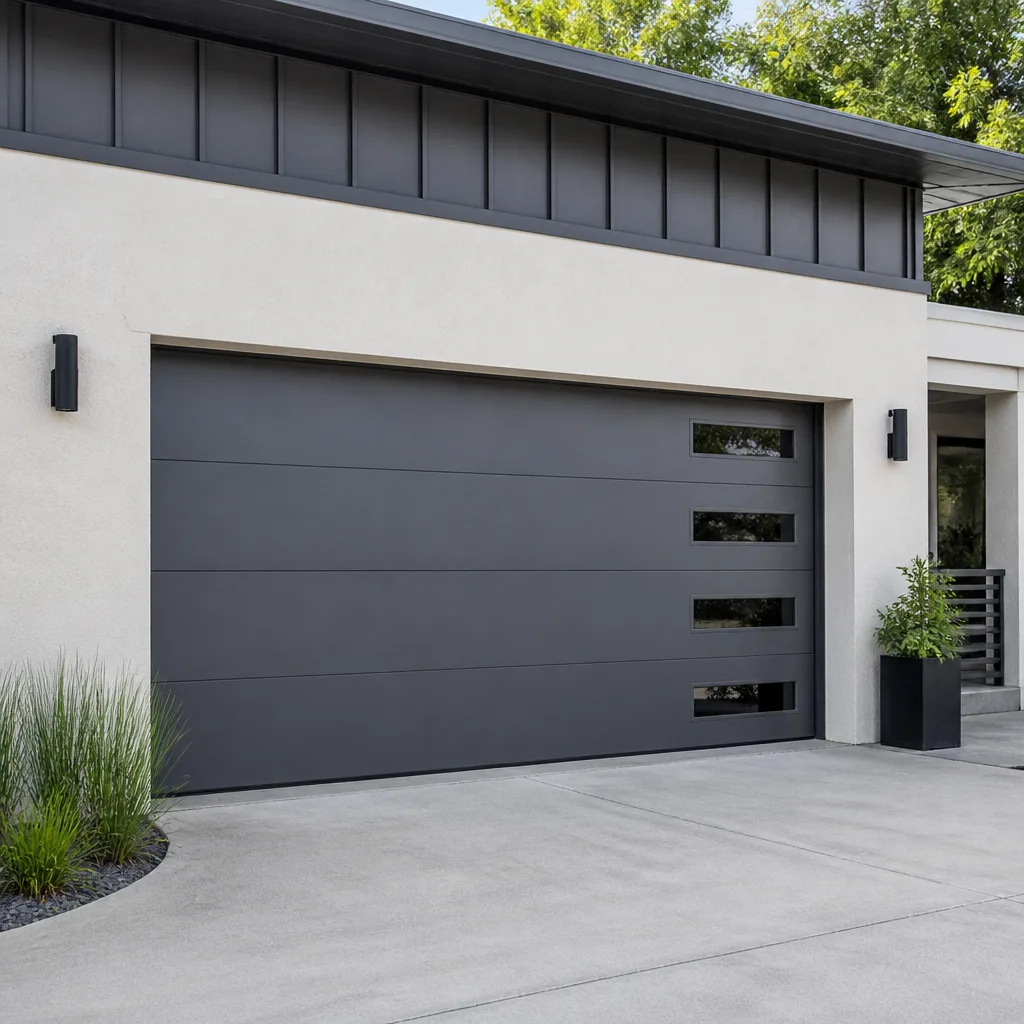 Modern flush
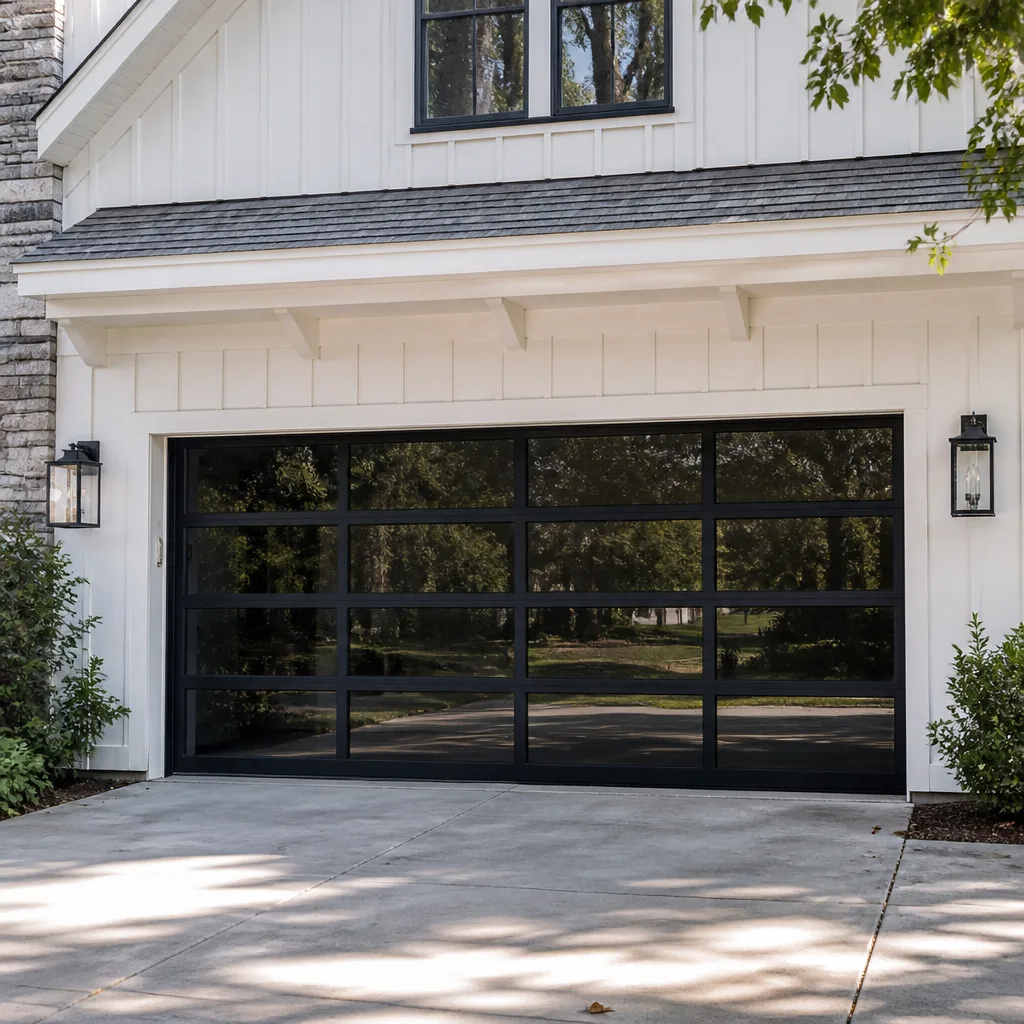 Full-view glass
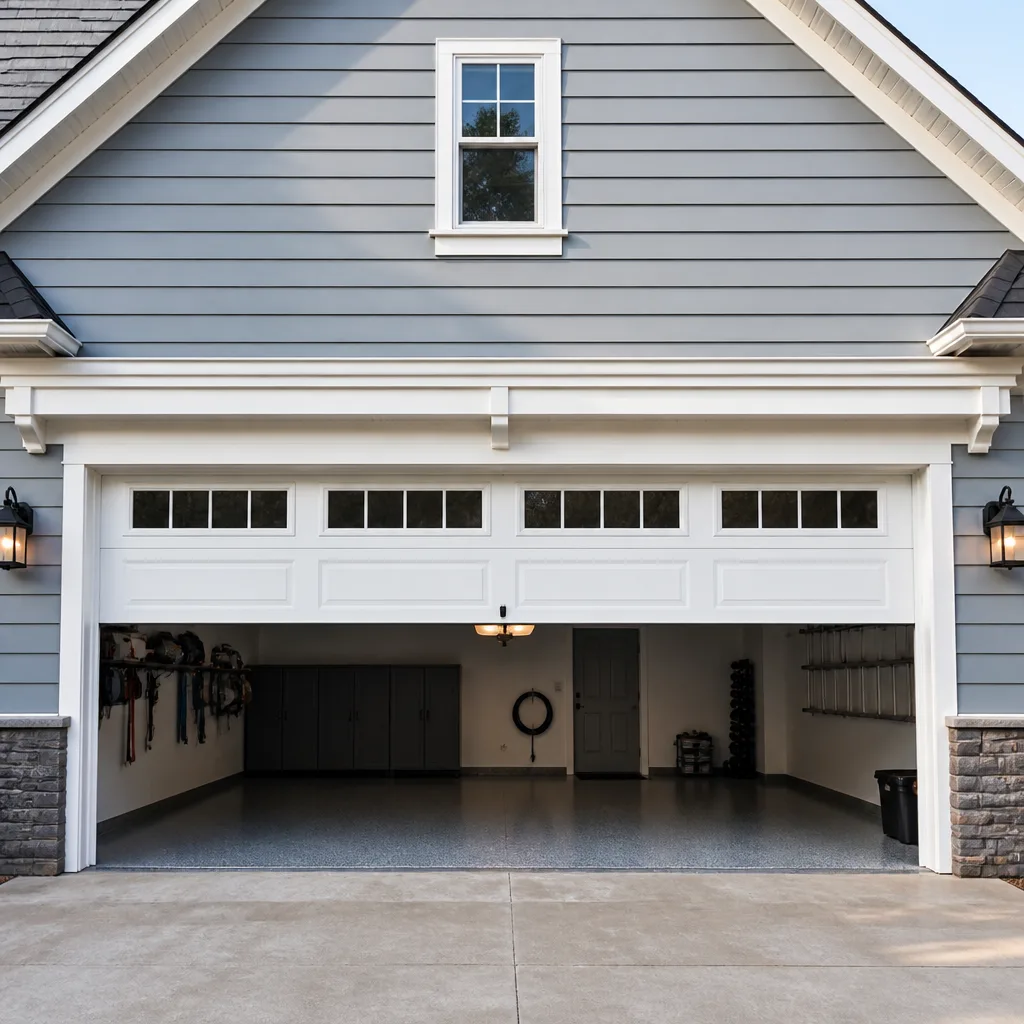 LiftMaster openers
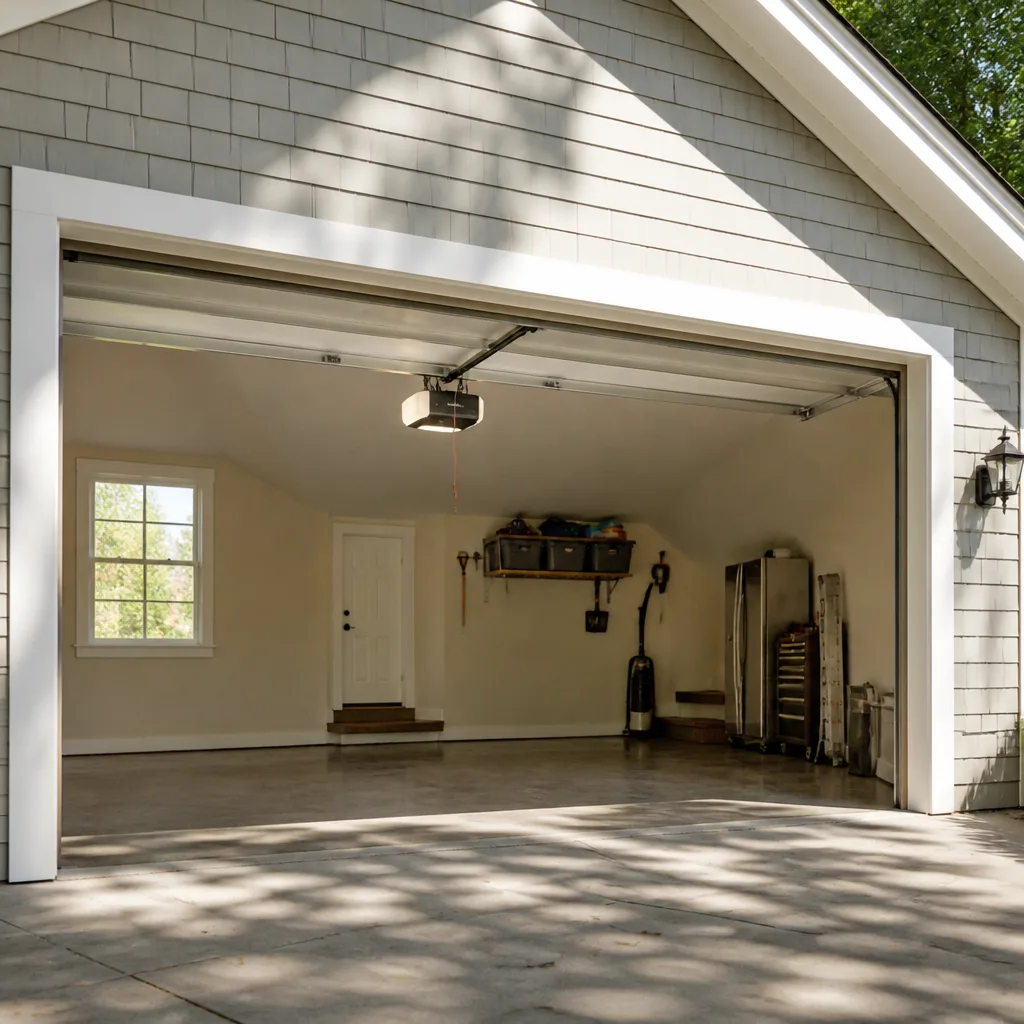 Chamberlain openers
Full 25-point door and opener safety check with every visit - springs, cables, rollers, tracks, and your LiftMaster or Chamberlain opener included
You get a price before we start. It does not change when the pro arrives.
Get your free estimateGarage Door Emergency Preparedness Guide for Homestead Homes
Most homeowners think of a garage door emergency as something that happens to other people, on a normal afternoon, with plenty of time to sort it out. Here’s the counterintuitive part: the hardest garage door emergencies in Homestead tend to arrive with warning. A named storm is forecast days ahead, the power grid gets stressed, and the automatic opener that’s been the only way you’ve ever opened that door suddenly isn’t an option. What separates a manageable few hours from a genuine crisis is whether you knew, before the wind picked up, how to release the door by hand, how to lock it down, and who to call if something goes wrong. This guide walks through all of it, calmly and in order.
Styles & brands we work with
- Raised-panel steel
- Carriage house
- Modern flush
- Full-view glass
- LiftMaster openers
- Chamberlain openers
Quick Answer
Garage door emergency preparedness in Homestead means knowing four things before a storm or outage: how to manually release your specific opener brand, which pre-storm tasks to do in what order (disconnect the opener, lock the door, brace if your door type allows), how to judge whether a damaged door is still safe to secure the house overnight, and what to have ready when you call for help. Prepare these in calm weather and a real emergency becomes a checklist instead of a scramble.
Table of Contents
- Why garage door emergencies in Homestead are different
- How to manually release your garage door by brand
- Pre-storm protocol: the tasks, in order
- Power outage operation and battery backup openers
- Post-storm assessment: is the door still safe to use?
- Securing your home when the door is damaged but still standing
- Who to call and what to have ready
- Common mistakes to avoid
Why Garage Door Emergencies in Homestead Are Different
Homestead sits in a part of South Florida where the storm season is real, the summer heat is relentless, and a lot of the housing stock is built for both. That shapes what a garage door emergency actually looks like here. It’s rarely a charming old door that finally gives out. It’s more often a door that’s been cooked by afternoon sun for years, a torsion spring that’s been quietly fatiguing, and then a windy night that turns a small problem into “the door won’t close and the house is open.”
Three local realities drive most of the emergency calls we hear about:
- Power interruptions. Storms knock out power, and an opener without battery backup is a dead weight. If you’ve never released the door by hand, the first time you try it shouldn’t be in the dark during an evacuation warning.
- Heat and humidity on hardware. Springs, rollers, and hinges wear faster in a hot garage. A spring near the end of its life doesn’t announce itself; it just picks the least convenient moment.
- Doors that must double as security. In Homestead, a garage door is often the largest opening in the house. When it’s damaged, the priority shifts from “get it working” to “get the house closed and locked” until a technician can arrive.
Understanding those three drivers is what makes the rest of this guide useful. You’re not preparing for a generic breakdown. You’re preparing for the specific ways a garage door fails in a hot, storm-prone corner of South Florida.
How to Manually Release Your Garage Door by Brand
Every modern opener has a manual release, and every one of them works on the same basic principle: a pull cord or lever disconnects the trolley from the door so you can lift it by hand. The variation is in where that release lives and how it feels when it’s working correctly. Here’s how it goes for the brands most common in Homestead homes.
LiftMaster and Chamberlain
These two share a great deal of engineering, and their releases are nearly identical. Look for a red or black handle hanging from a cord attached to the trolley on the rail. Pull straight down and toward the door at a slight angle. You’ll feel the trolley disengage. If the cord is stuck, don’t yank harder. Get a step stool, look at where the cord meets the trolley, and check whether the trolley is jammed against the end of the rail. Sometimes opening the door a few inches by hand first frees it.
Genie and Craftsman
Genie and Craftsman openers typically use a similar pull-cord release, though the cord may be shorter and the handle smaller. The same rule applies: pull down and slightly toward the door. On older Craftsman units the release can stiffen with age, and a firm, steady pull works better than a sharp jerk. If the handle is missing entirely, you can usually reach the release lever on the trolley itself with a sturdy hook or a pair of long-handled pliers, but do this only with the door fully closed and the springs under normal tension.
If the release cord is stuck or missing
- Make sure no one is standing under the door and the door is fully closed.
- Locate the trolley on the rail (the carriage that rides along the track above the door).
- Look for the release lever on the trolley body. Many have a small tab you can lift with a screwdriver.
- Do not cut or force anything. If the trolley won’t release, call a technician; a jammed trolley often signals a deeper opener problem.
Once released, the door should lift by hand with steady, even pressure. If it feels extremely heavy or won’t stay up on its own, a spring is likely broken, and that’s a job for a professional. Springs are under enormous tension even when they look still, and they cause serious injuries when handled without the right tools and training. Never try to adjust or replace one yourself.
Pre-Storm Protocol: The Tasks, in Order
When a named storm is heading toward Homestead, the garage door tasks should happen in a specific sequence. Doing them out of order can leave the door in a worse position than when you started.
- Disconnect the opener first. Pull the manual release so the door is no longer tied to the motor. If the power flickers during the storm, a connected opener can try to move a door that’s been shifted by wind, which stresses the hardware.
- Close and lock the door. Lower it fully by hand and engage the manual lock if your door has one. On doors without a built-in lock, a pair of locking pliers clamped on the track just above a roller can keep the door from lifting. Don’t over-tighten; you want security, not damage.
- Brace only if your door type supports it. Some homeowners add horizontal bracing across the inside of the door panels for wind resistance. This works on certain door constructions and not others, and a poorly installed brace can concentrate force and cause more damage. If you’re unsure whether your door can be braced, ask a technician before the season starts.
- Clear the tracks and the floor. Remove anything leaning against the door or sitting in the track path. Debris that gets blown into a track can jam a door the moment it moves.
- Photograph the door. A quick set of photos of the door, tracks, and opener before the storm helps you spot what changed afterward and supports any insurance conversation.
If you’d rather have a professional look the door over before storm season, that’s a reasonable call. A routine check catches worn springs and misaligned tracks that could turn into an emergency when the weather turns.
Power Outage Operation and Battery Backup Openers
A power outage is the single most common trigger for a garage door emergency in Homestead. The good news: most modern openers can be operated without power, and the better news is that battery backup is now a realistic option even if your opener didn’t come with it.
Here’s how the options break down:
- Manual release only. Your opener has no backup battery. When the power goes, you pull the release cord, lift the door by hand, and re-engage the trolley when power returns. This works, but it requires knowing the release procedure ahead of time.
- Factory battery backup. Several current LiftMaster and Chamberlain models ship with an integrated battery that keeps the opener working for a limited number of cycles during an outage. If your opener has one, check the battery condition annually; a backup battery that’s sat unused for years may not hold a charge.
- Retrofit backup. Battery backup kits can be added to many openers that didn’t include one. Compatibility depends on the opener model and brand, which is exactly why knowing your unit matters. A technician can tell you whether a retrofit fits yours.
If you have no backup and the power is out, the sequence is: confirm the door is closed, pull the release, and only then try to lift. If the door is unusually heavy, stop. That’s a spring issue, not a power issue, and it needs a professional.
For opener-specific troubleshooting once power returns, our garage door opener repair team handles the diagnostics.
Post-Storm Assessment: Is the Door Still Safe to Use?
After the storm passes, the question isn’t “does it work?” It’s “is it safe to use to secure the house tonight?” Those are different questions, and the second one matters more. A door can be operational and still be unsafe.
Walk through this assessment before you press the opener button:
- Look at the panels. Dents are cosmetic; cracks, separation, or panels that have pulled away from the frame are structural. A door with a compromised panel can fail suddenly under load.
- Check the tracks. Tracks should be straight and parallel. A bent track means the rollers can jump, and a door that jumps a track can come down unevenly.
- Test the balance by hand (with the door closed and the opener disconnected). Lift the door about halfway and let go gently. A balanced door stays put. One that slams down or won’t stay up has a spring problem.
- Listen. Grinding, popping, or a loud bang from the spring area means stop using the door and call a technician.
If any of those checks fail, don’t run the opener. The door needs to stay closed and locked, and you need a professional assessment before it moves again. Our garage door repair service exists for exactly this situation.
Securing Your Home When the Door Is Damaged but Still Standing
Sometimes the door is damaged but not destroyed, and the priority becomes getting the house closed and locked until a technician can arrive. That’s a reasonable goal, and there are safe ways to do it.
The goal is to keep the door in the closed position and prevent it from moving. With the opener disconnected, lower the door fully by hand. If the door won’t sit flush because a panel or track is bent, don’t force it; forcing it can cause the door to drop or the spring to fail. Instead, secure it from the inside with whatever is safe and non-damaging: heavy furniture against the door, or locking pliers on the track above a roller. Keep the garage interior clear of anything that could tip or fall.
If the door is stuck partway open, that’s a security gap and a safety concern, and it’s exactly the kind of call our Homestead Garage Door Repair Pros team is set up to handle. A door that isn’t fully closed should be treated as a priority, not something to sit on until tomorrow.
Who to Call and What to Have Ready
In a true garage door emergency, calling without information wastes time. Have these details ready before you dial, so the technician can bring the right parts on the first visit:
- The opener brand and model number (it’s usually on a label on the back or under the light cover).
- The door brand if you know it: Clopay, Amarr, Wayne Dalton, and Craftsman doors are all common in Homestead homes.
- What the door is doing: won’t open, won’t close, stuck partway, loud noise, or hanging unevenly.
- Whether the power is out and whether the opener has battery backup.
- Whether the door is currently secure or leaving the house exposed.
Homestead Garage Door Repair Pros handles emergency calls across Homestead, works with the major brands found in local homes, and answers the phone 24/7 with fast dispatch from 7am to 7pm, Sunday through Friday. We’re closed Saturday; a call that comes in then gets booked into the next opening on Sunday. If you’re not sure whether your situation counts as an emergency, call anyway. A door that won’t secure your home overnight qualifies.
Common Mistakes to Avoid
- Pulling the manual release while the door is open. Always release with the door fully closed. Releasing a raised door can let it drop suddenly, and a garage door is heavy enough to cause serious injury.
- Forcing a stuck door by hand. If the door won’t lift with steady pressure, something is broken. Pushing harder stresses the springs and tracks and can turn a repair into a replacement.
- Trying to fix a broken spring yourself. Torsion and extension springs are under high tension even at rest. This is the single most dangerous garage door job, and it’s one we handle carefully with the right tools. Leave it to a technician.
- Assuming the opener will work after a long outage. Battery backup only lasts a limited number of cycles. Test yours before storm season, not during one.
- Leaving a door stuck open overnight. In Homestead, an exposed garage is a security problem, not a minor inconvenience. Get it closed, even temporarily, and call for help.
- Bracing a door that isn’t built for it. Wind bracing works on some doors and not others. Ask before you add one.
- Waiting until the storm is named to prepare. The best time to learn your release procedure and check your opener is a quiet weekend afternoon, not the day before a forecast landfall.
When to Call a Professional
Some garage door problems are simple resets. Others need a trained technician, and knowing the difference saves you time and keeps you safe. Call a professional when a spring is broken or the door feels unusually heavy, when the door won’t stay closed or won’t close at all, when it’s come off its track, when the opener runs but the door doesn’t move, or when the door is damaged and you’re not sure it’s safe to use. Any of those can leave your Homestead home exposed or put you at risk. Homestead Garage Door Repair Pros offers free estimates in Homestead: call (844) 497-0861. We answer 24/7. Fast dispatch from 7am to 7pm, Sunday through Friday.
Frequently Asked Questions
Pull the manual release cord hanging from the trolley on the overhead rail to disconnect the opener, then lift the door by hand. Do this with the door fully closed. If the door feels extremely heavy, a spring is likely broken, and you should call a technician rather than force it.
Battery backup isn’t required, but it’s worth having in a storm-prone area. Several current LiftMaster and Chamberlain models include it, and retrofit kits exist for many other openers. A technician can tell you whether your unit is compatible with a retrofit.
Keep it closed and locked, and avoid running the opener until a technician inspects it. A door can be operational and still be unsafe if a panel or track is compromised. Get the house secured first, then call for an assessment.
Don’t yank it. Check whether the trolley is jammed against the end of the rail and try opening the door a few inches by hand first. If it still won’t release, call us. A stuck release often points to an opener problem that needs diagnosis. Our garage door spring repair team can check the door and spring system at the same visit.
Same-day spring repair is often possible depending on the door and spring type. Call (844) 497-0861 and we’ll confirm what’s available. We answer 24/7. Fast dispatch from 7am to 7pm, Sunday through Friday.
Have your opener brand and model, your door brand if you know it (Clopay, Amarr, Wayne Dalton, and Craftsman are common in Homestead), what the door is doing, and whether it’s currently secure. That lets the technician bring the right parts on the first visit.
The Bottom Line
Garage door emergencies in Homestead come with more warning than most people realize. The power outages, the storm-season wind, and the heat that wears down springs all announce themselves in advance, which means the right time to prepare is now, not when the door won’t close. Learn your manual release. Test your backup battery. Know the pre-storm order of operations. And when something does fail, call with the brand and model ready so the first visit actually fixes it. Homestead Garage Door Repair Pros is here for the repair, the spring, the opener, and the replacement, and we’ll give you a free estimate before any work begins.
Written by the team at Homestead Garage Door Repair Pros.
See the difference
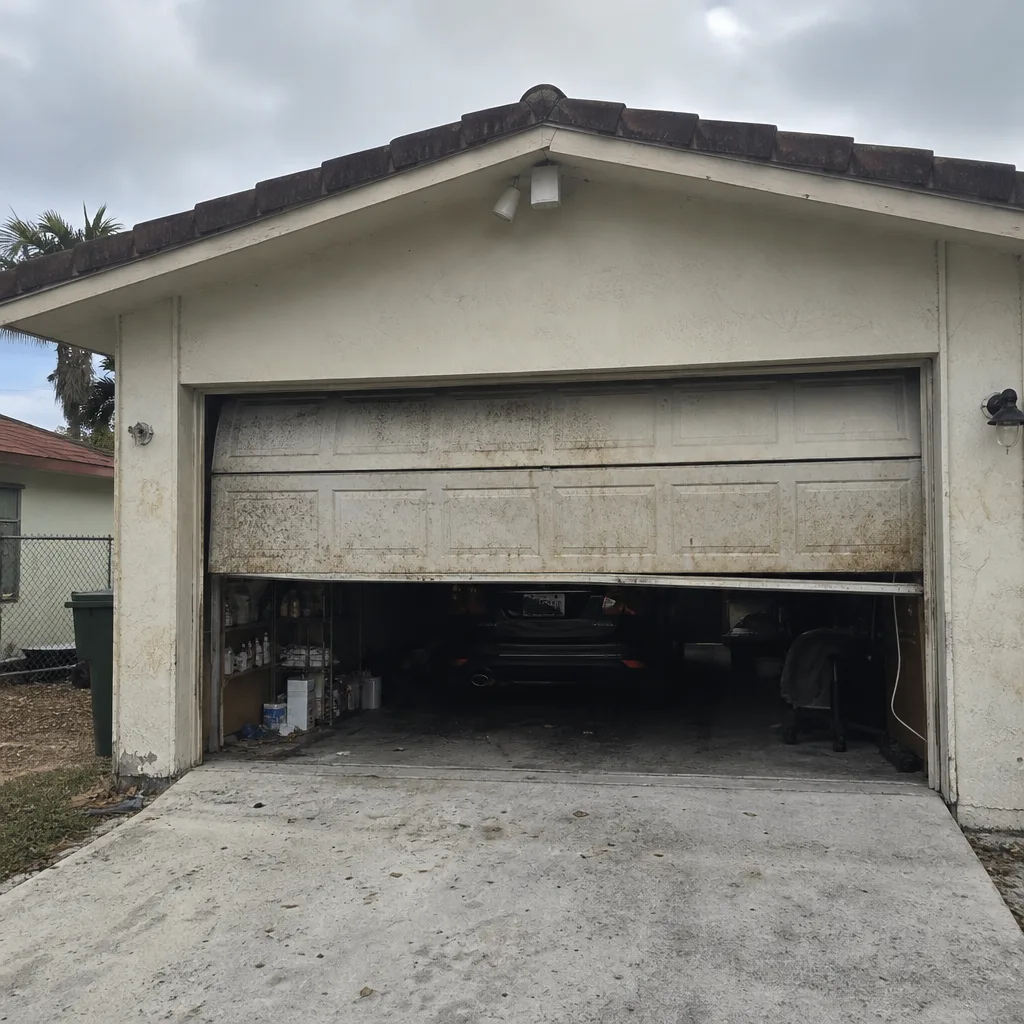 Before
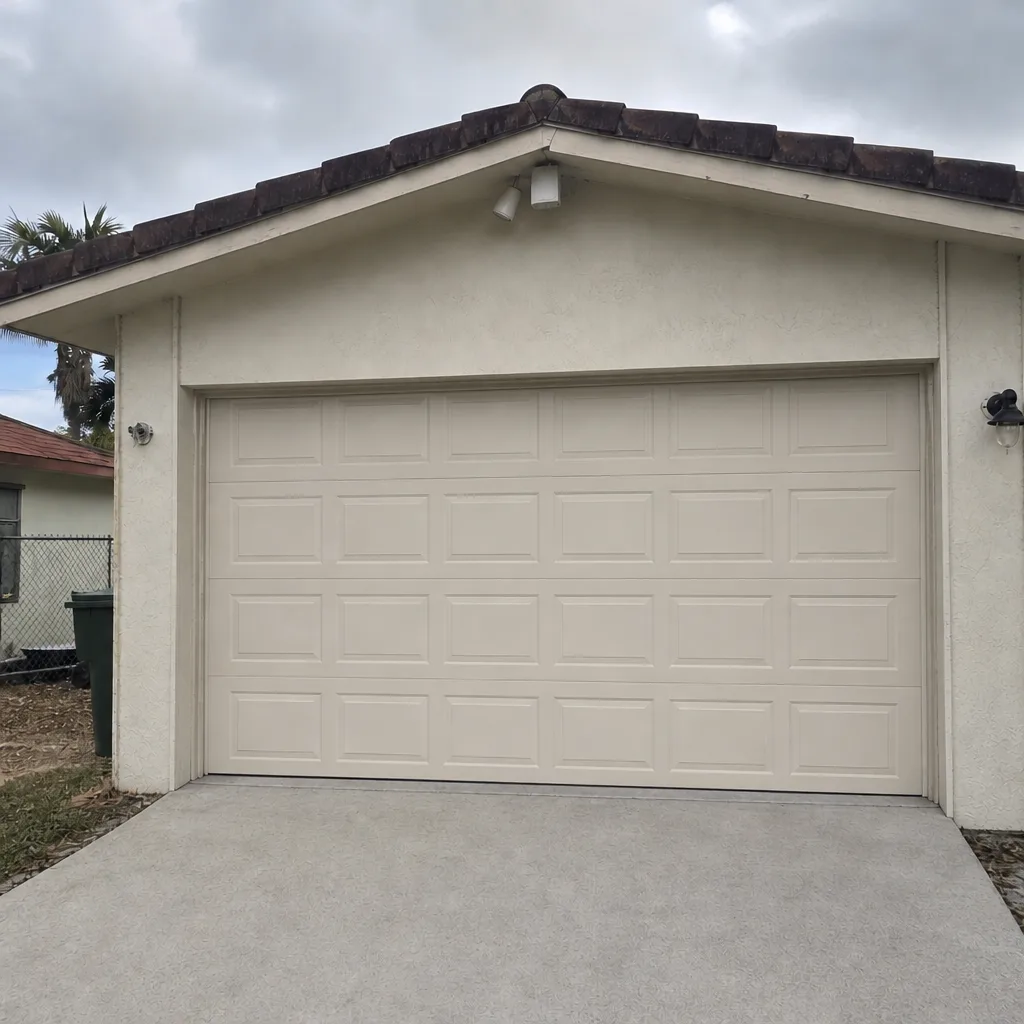 After
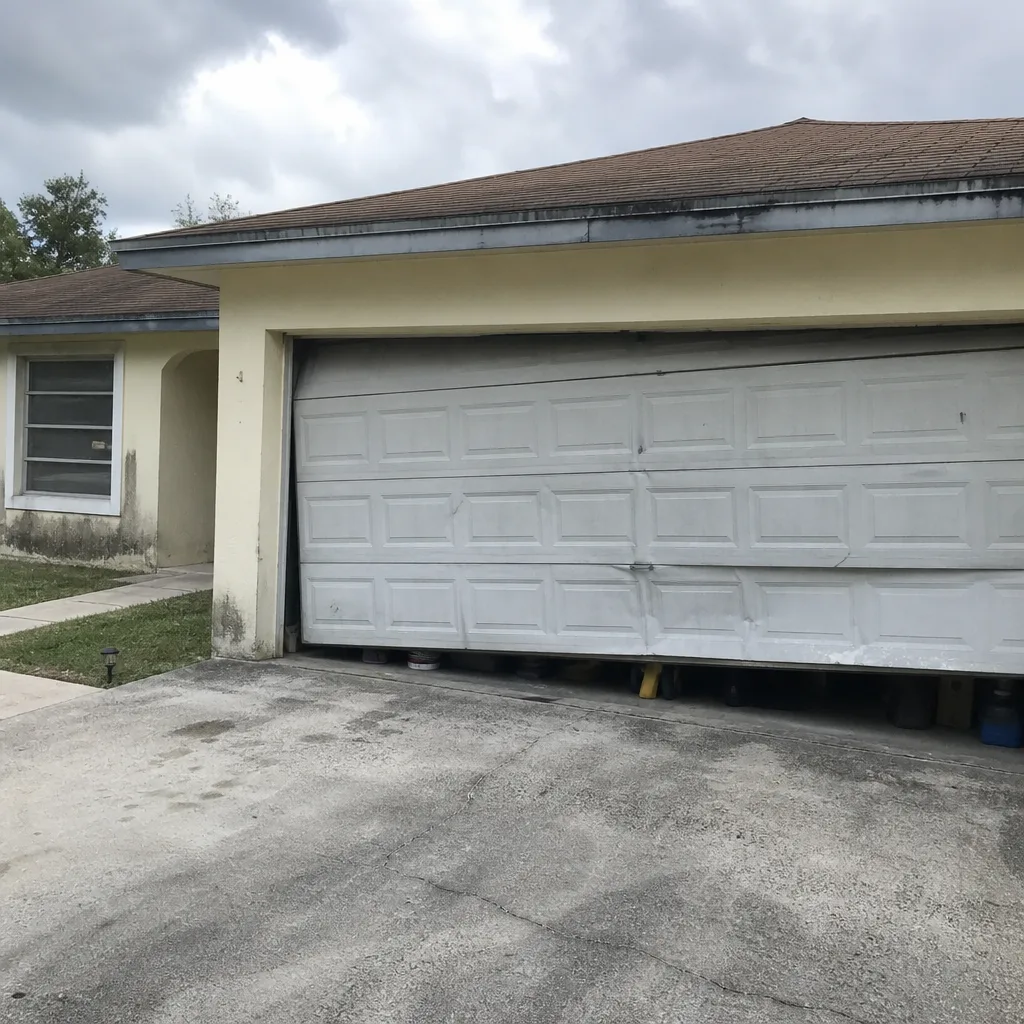 Before
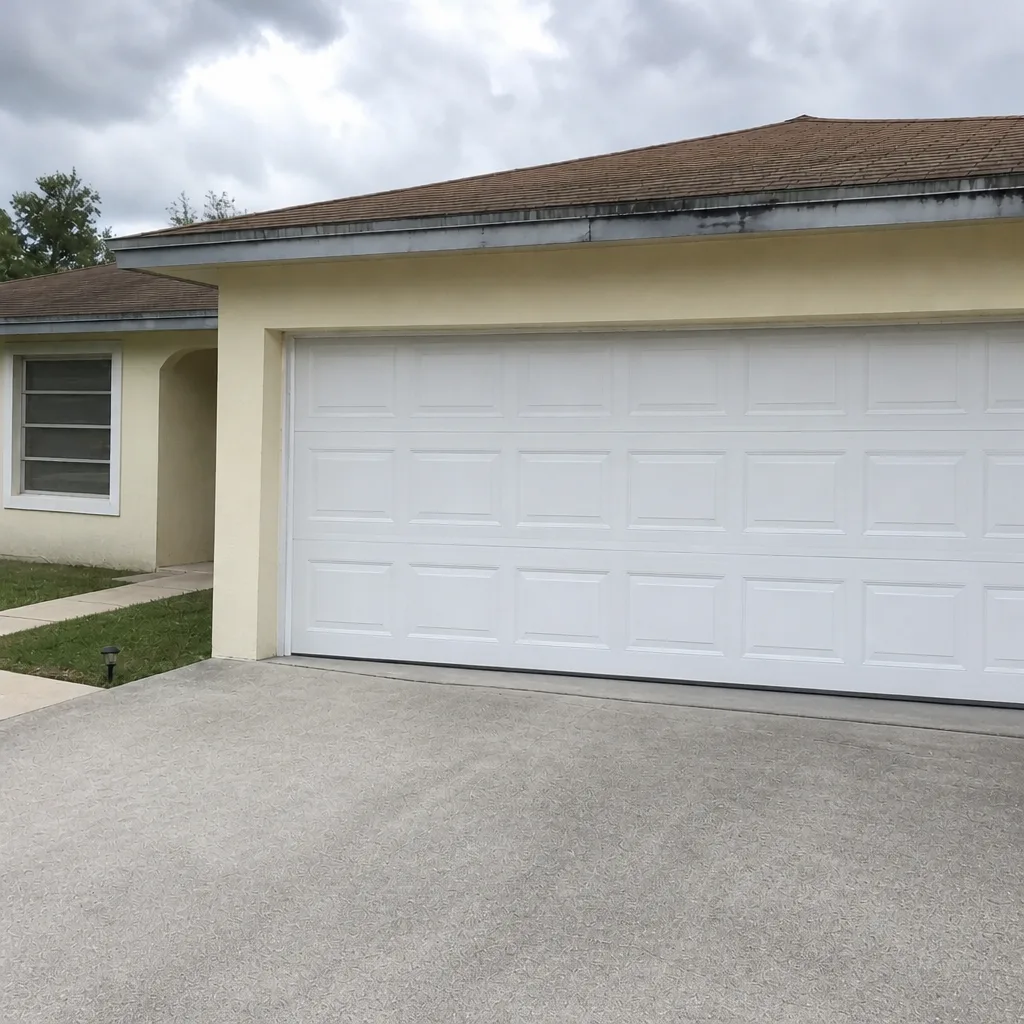 After
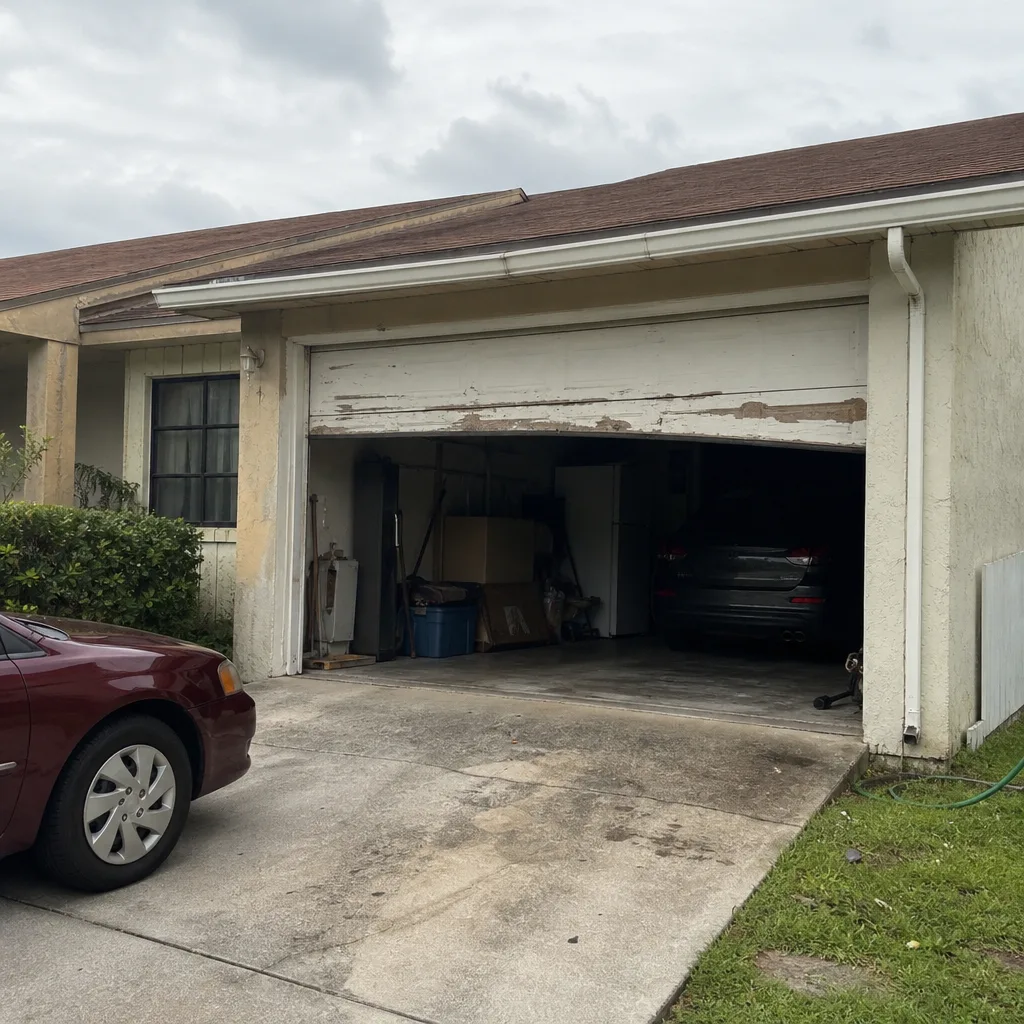 Before
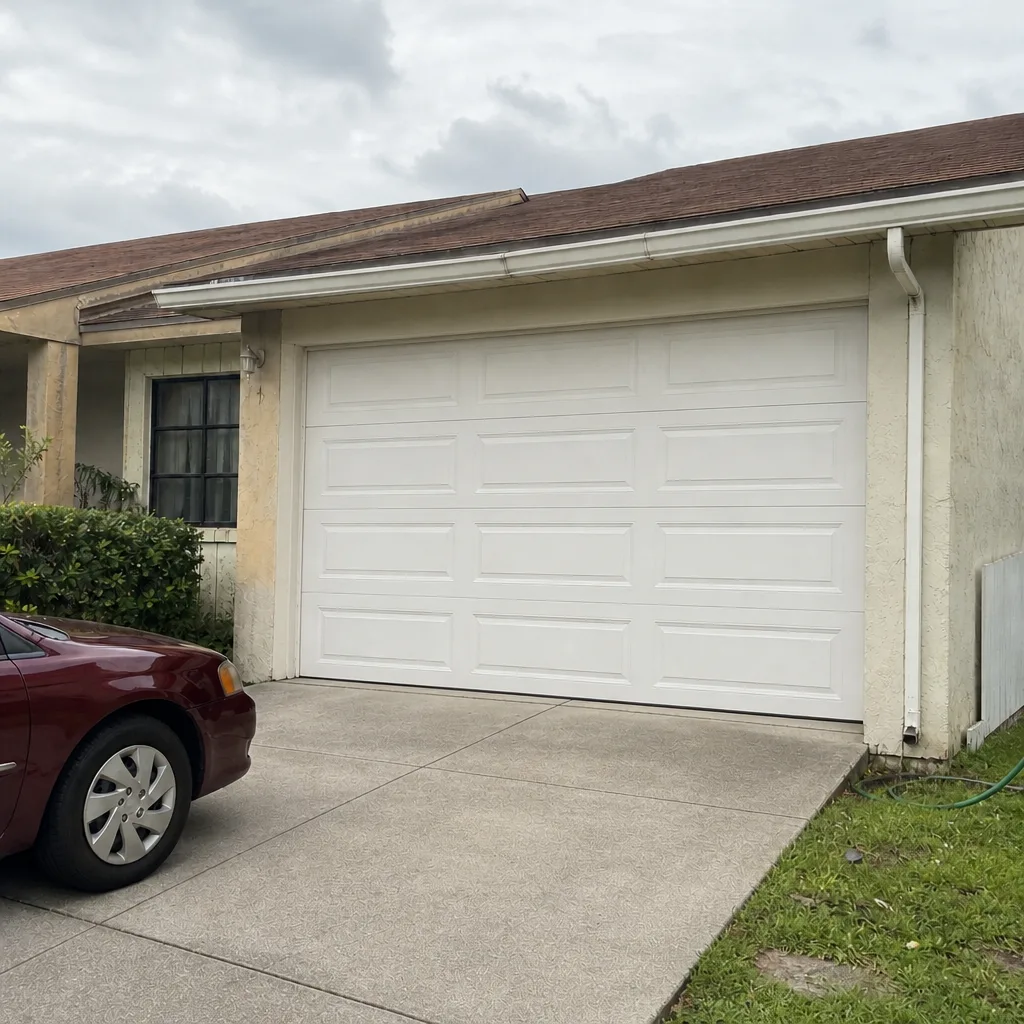 After